Southwestern lẩu mắm: picking vegetables, ordering a pot, and enjoying it on a road trip
04-10-2026 22:51:07
MEMBER SUPPORT 0367 494 919 Send feedback by email
In the midst of bold-flavored meals on the road, a plate of gỏi cuốn is a way to change the pace when you stop to rest. Soft rice paper, herbs, rice vermicelli and the filling sit neatly in each roll; the dipping sauce helps you find the flavor you like. You can start with a few rolls, try the sauces on their own and then decide whether to order more — there's no need to turn an afternoon snack into a hunt for famous spots.
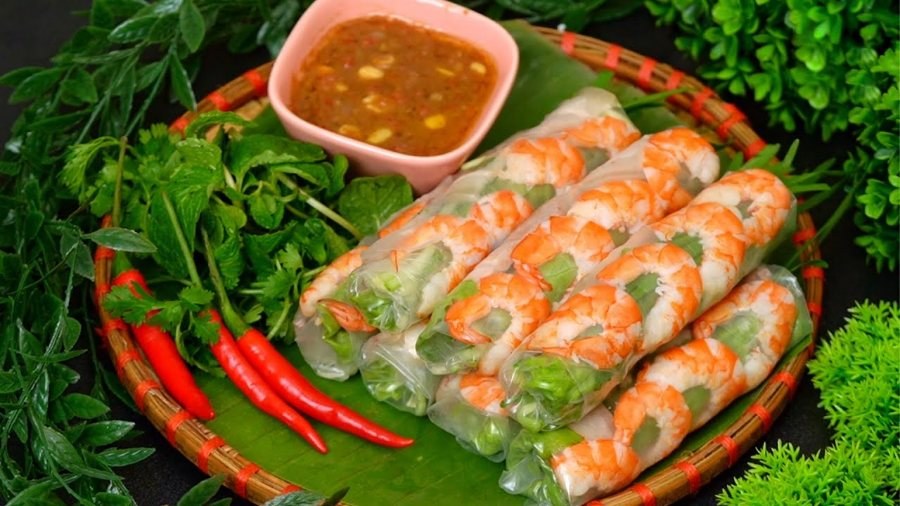
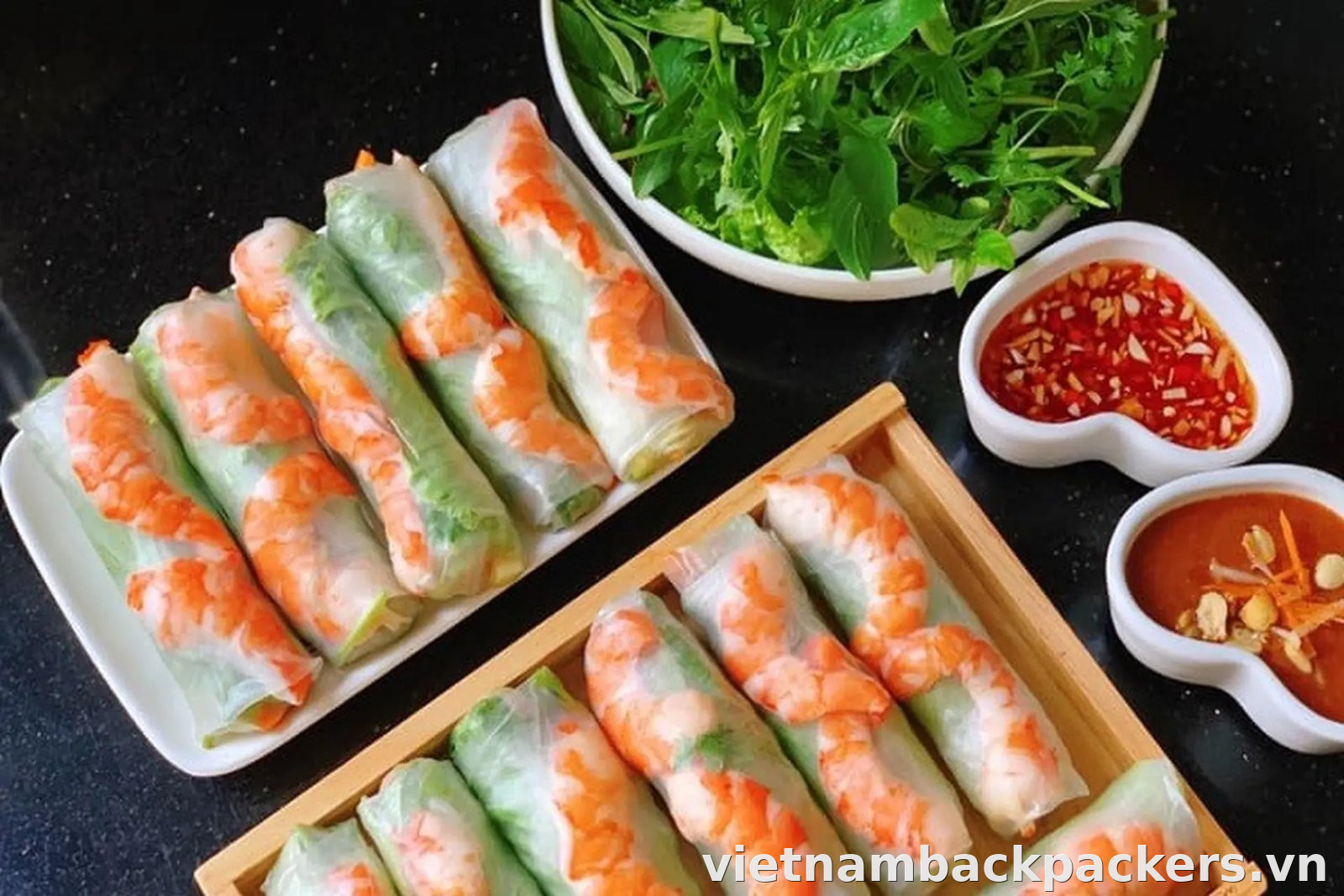 Shrimp and pork: the filling is already cooked
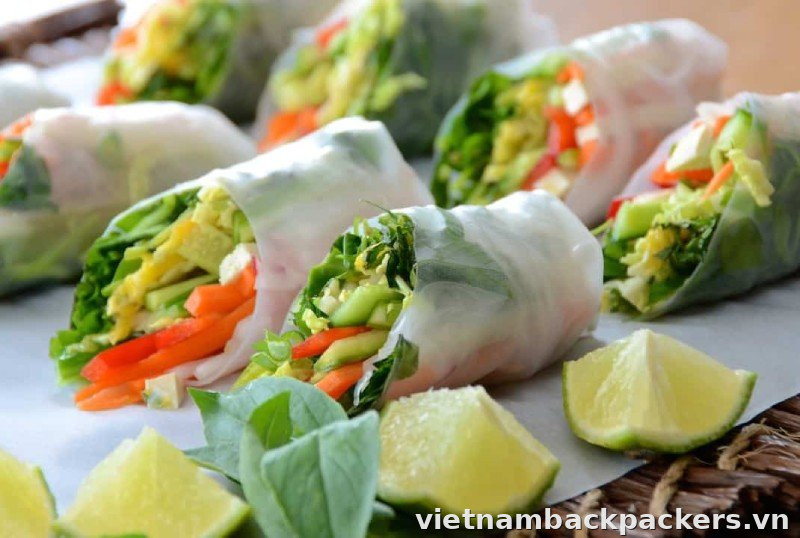 Vegetarian filling: check the dipping sauce too
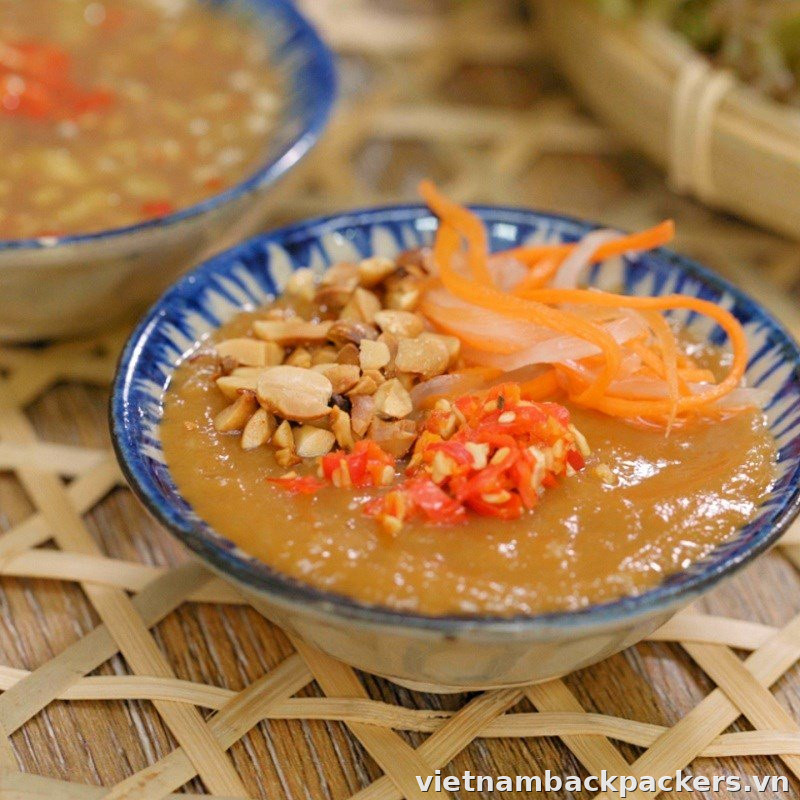 Peanut sauce: ask about the ingredients if you have allergies
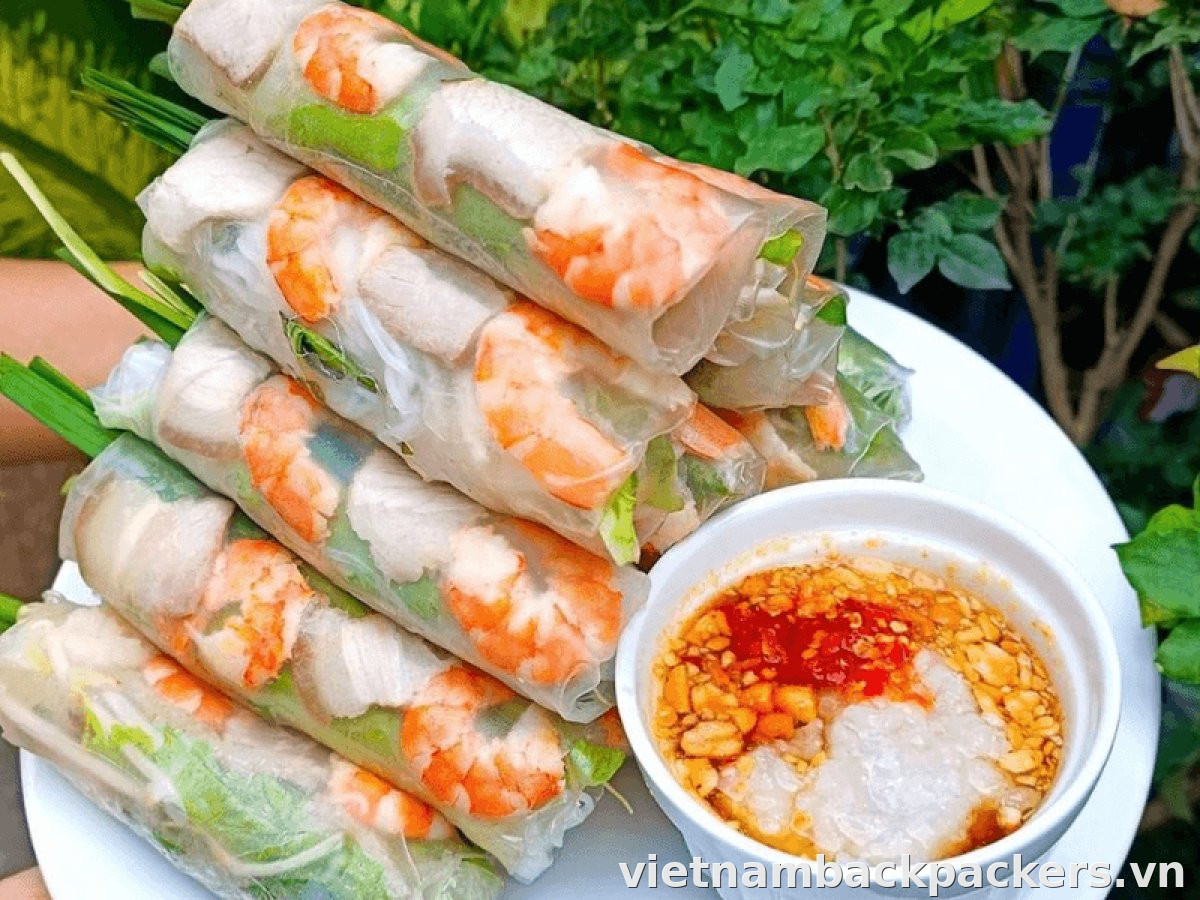 Mixed nước mắm: an alternative dipping option depending on the shop
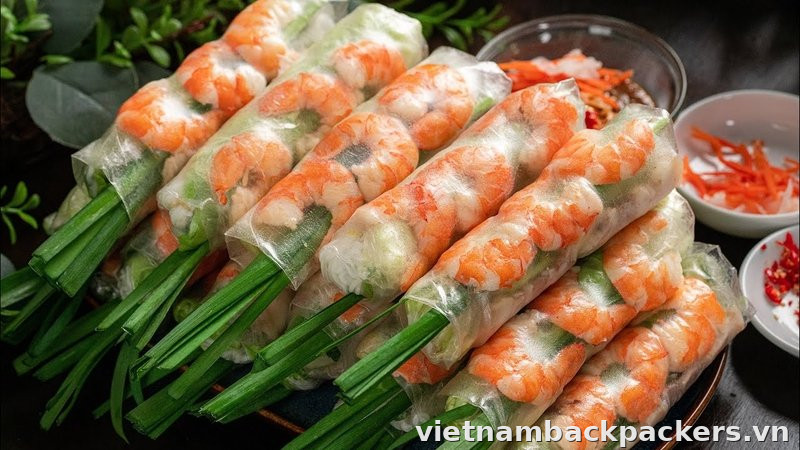 Eat fresh: pay attention to both ingredients and storage
Gỏi cuốn may seem straightforward, but choosing the right filling and dipping sauce determines how much you enjoy it. In particular, the word "fresh roll" does not mean the shrimp and pork are eaten raw, nor does it guarantee the dish suits every diet.

Gỏi cuốn uses rice paper softened to wrap ingredients such as herbs, rice vermicelli, shrimp and cooked pork. The finished roll is usually served with a separate dipping sauce, not deep-fried until crisp like chả giò or nem rán.
The familiar shrimp-and-pork version has slices of pork, shrimp, rice vermicelli and herbs, commonly found in southern cuisine. The filling can vary by shop and taste. For this reason, looking at the roll and asking about the specific ingredients makes choosing easier than assuming every stall makes it the same way.
The soft wrapper holds the ingredients together, but it's not the only part worth noting. The vermicelli gives softness; the herbs add fragrance and a fresh feel; the shrimp, pork or plant-based filling contributes flavor; the dipping sauce provides the richness that the roll itself may lack.
This is an easy place to start if you eat both shrimp and pork. The shrimp and pork are usually cooked before rolling, then combined with vermicelli, herbs and rice paper. The ratio of shrimp, pork and vermicelli isn't the same at every stall.
If you prefer more herbs or don't want too much vermicelli, you can ask the shop to adjust when they roll to order. With pre-made rolls, changes are usually not convenient, so asking about the ingredients before ordering works better.
Tofu, mushrooms and herbs are ingredients you might find in the vegetarian version. If you want to switch to a plant-based filling, you can start with those options. However, the visible filling doesn't tell the whole story: the dipping sauce, seasonings and preparation must also suit your needs.
If you are strictly vegetarian, ask whether both the filling and the dipping sauce use fish sauce or animal-based ingredients, and how they are prepared together. A request for "no shrimp, no pork" is not enough if the sauce is still mixed according to the shop's usual recipe.
The roll can use other kinds of fillings depending on the kitchen. What you need to do is ask the name and ingredients of the specific roll, rather than assuming every rice-paper roll is shrimp-and-pork gỏi cuốn with one or two things swapped out.
In a tasting meal, choosing two fillings with clear information can be more enjoyable than ordering many kinds and then not remembering the differences. Notice whether you like the softness of the filling, the fragrance of the herbs or the crunch of the add-ins; next time, that will help you choose faster.
Two common directions are peanut-based sauce and diluted fish sauce. Peanut sauce can feel thick, rich and sweet-savory, pairing well with rolls that have lots of herbs and vermicelli. Diluted fish sauce brings a different flavor direction, usually with sourness, sweetness and possibly added garlic and chili.
Not every shop serves both; the sauce recipes and seasoning ratios also differ. A bowl of brown sauce may contain soybeans, peanuts or other ingredients. If this relates to an allergy, don't guess from the color or the name "sauce" alone.
Taste the sauce first, then dip just enough at the end of the roll. If you dip too much, the wrapper becomes slippery and the sauce flavor can overpower the filling. If you are served two kinds, you can try each separately rather than mixing them together right from the start.
Those who like spice should add a little at a time, since the roll itself has a mild flavor. Those who don't eat spicy food should also ask whether the dipping sauce already contains chili; removing the chili slices on top doesn't necessarily remove all the heat.
If you order from pictures or a short menu, phrases like "is this roll fried?", "is the wrapper rice paper or phở sheet?" and "what's in the filling?" will help avoid mix-ups. The seller knows how their dish is prepared better than a generic translation on the menu.
This is especially helpful when you want a dish that isn't oil-fried or need to avoid a certain ingredient. Similar dish names don't guarantee the same preparation and ingredients.
With a pre-made roll, hold the body firmly, dip one end and eat in reasonably sized bites. There's no need to cut it up if the roll is easy to handle. If the roll is large or the wrapper tears easily, you can use a plate and chopsticks for support rather than trying to hold all the filling with one hand.
In a make-your-own meal at the table, take just enough filling and arrange it neatly before folding in the two sides and rolling it up. Stuffing too much makes the roll hard to seal and prone to breaking. The rice paper needs to be softened according to the type you're using; too wet can make it sticky and soggy, while too dry cracks easily.
You don't have to make a perfect roll on your first try. A neat roll that holds the filling and fits in a bite is usually easier to eat than a big one that bursts when dipped. This is also a chance for each person to combine herbs, vermicelli and filling to their own taste.
Gỏi cuốn can appear as an appetizer, an afternoon snack or part of a light meal. How filling it is depends on the size, the number of rolls, the amount of vermicelli, the filling and the dipping sauce. "Lots of herbs" doesn't necessarily mean low in energy, and there's no single nutritional figure that's correct for every roll sold at stalls.
If you're trying many dishes, ordering a small amount first and adding more makes it easier to balance. Ask whether the shop sells by the roll or by the portion, how many rolls are in a portion and whether the dipping sauce is included. The same dish name can come with notably different serving sizes.
On a journey with many hours of travel, prioritize eating at the shop or eating early under suitable storage conditions. A dish with cooked shrimp, pork and raw herbs is still food that needs careful handling, not a dry snack you can keep in your bag all day.
Gỏi cuốn usually gives a good experience when the wrapper isn't dried out and the ingredients haven't made the roll too wet. You can ask whether the shop rolls to order or has them prepared in advance. However, a freshly made roll doesn't automatically guarantee safety if the filling or herbs were handled improperly beforehand.
Observe the separation of raw and cooked ingredients, clean utensils and how the shrimp, pork and herbs are stored and handled. Gỏi cuốn is usually not reheated before eating, so the cooked ingredients and storage conditions both deserve attention. If you're not comfortable, choose a properly cooked dish rather than trying it at all costs.
Translucent rice paper, nicely colored shrimp or bright green herbs don't prove the dish is free of risk. If you've been advised to avoid raw herbs or have special food safety needs, talk with the shop and choose a properly cooked dish when you can't confirm the handling.
Shrimp is an important ingredient to ask about if you have a shellfish allergy. Peanuts may be in the sauce or sprinkled on top; soybeans may be in the sauce and tofu filling; fish may be in the fish sauce. Removing shrimp from a roll doesn't by itself eliminate other risks.
Say specifically "I'm allergic to peanuts, the dipping sauce can't have any either" rather than just asking for "no peanut sprinkles." For severe allergies, you need to ask whether the utensils and preparation area are shared with that ingredient. If the shop can't confirm cross-contamination control, you shouldn't consider a dish with the ingredient removed to be guaranteed safe.
For vegetarians, checking the dipping sauce is a similar step. A plate of herb-and-tofu rolls eaten with regular fish sauce doesn't suit every kind of vegetarian diet. Choosing a shop with clear options is easier than modifying a dish the seller isn't used to accommodating.
No. The shrimp and pork in the familiar version are cooked before rolling; the herbs are usually eaten raw. "Fresh" here helps distinguish the dish's experience from fried rolls, not a call to eat raw shrimp or pork.
No. It may use peanut sauce or diluted fish sauce, depending on the shop and the filling combination. Ask ahead if you have a taste preference or allergy to be mindful of.
You can, if the amount and ingredients suit your needs. Don't guess how filling or nutritious it is just from the number of rolls; the size and filling vary by vendor.
Don't assume that's safe. The rolls contain perishable ingredients and need proper storage. If you can't keep the food safely, eating on the spot is more practical.
Try each dipping sauce on its own to learn whether you prefer the rich, thick flavor or the sweet-and-sour one. Order more when you still want to eat, rather than ordering many rolls and carrying them along for the whole stretch. An afternoon snack eaten on the spot keeps the wrapper soft and the herbs' texture better.
Please follow the community guidelines when sharing your opinion
No comments yet. Be the first to share.
Serious or repeated violations may result in a temporary or permanent account suspension.
Let the editors know what is wrong with this comment. Your name is not shown to anyone.
Ask me about your travel itinerary!
 Travel assistant
 Bé Bụi