
Cao Bằng: 3-Day 2-Night Self-Guided Itinerary for Beginners
PrintA 3-day, 2-night trip to Cao Bằng takes travelers over stunning mountain passes to reach a border waterfall and unique natural cave systems. With a route starting from the city center, beginners can easily distribute their sightseeing time without overexerting themselves. The practical details below regarding costs, routes, and required documents will help you proactively plan your independent adventure.
Coordinate diagram, not a road map. Open map to verify access routes.
| Day | Route | Distance |
|---|---|---|
| Day 1 | Cao Bằng City - Trùng Khánh | 90km |
| Day 2 | Border Exploration | — |
| Day 3 | Pác Bó - Return | — |
 01
01
Hotel in Cao Bằng City
 01
01
 02
02
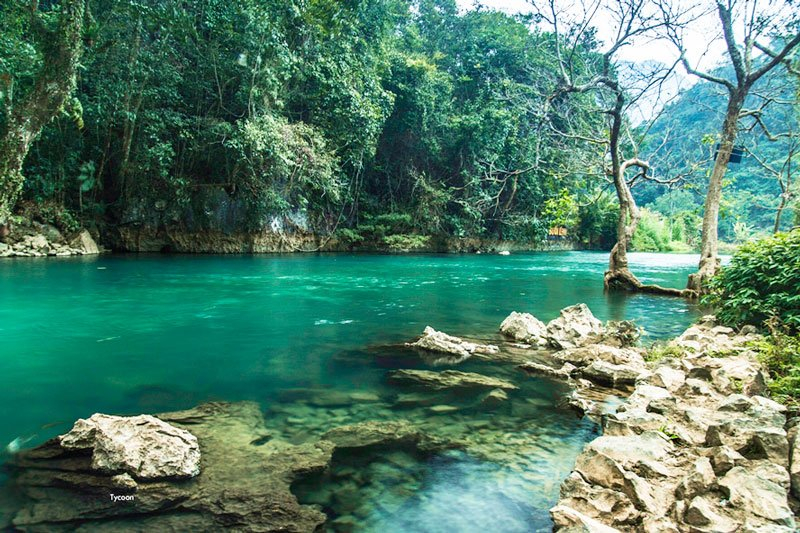
Homestay near Bản Giốc
 01
01
- August and SeptemberAbundant waterfall flow and dry weather ideal for traveling
excludes fuel, reference price
reference price
reference price
reference price
- Citizen Identity Card or digital ID account
- Check motorbike brakes and lights before crossing mountain passes
- Prepare cash for admission tickets
- Personal identification documents for border area accommodation registration
Itinerary Overview
This 3-day, 2-night itinerary focuses on the corridor linking Cao Bằng City with the Trùng Khánh area. This route is ideal for those who want to take scenic drives while having ample time to stop and explore famous natural landmarks.
The most ideal time to schedule this trip is in August and September. During these months, water volume at the waterfalls is abundant, creating spectacular scenery while the weather remains dry and favorable for long-distance travel. In local culinary traditions, travelers have long celebrated pairing hot bánh cuốn with pickled bamboo shoots and mắc mật fruit—a delightful culinary specialty well worth tasting when stopping in this region.
Pre-Trip Preparation
Because much of your stay and sightseeing takes place close to the border line, preparing legal identification documents is mandatory for all visitors.
Vietnamese citizens need to carry their citizen identity card, chip-based ID card, or valid electronic identification. When staying overnight at accommodations or local homes near the border, guests must complete temporary residence registration procedures with local police authorities through the lodging host.
Where to Stay
To optimize your itinerary and save travel time, a smart option is to book a hotel in the central area of Cao Bằng City for the first night to get proper rest after a long journey. For the second night, you should switch to a homestay near the Bản Giốc area or neighboring hamlets to ensure an early start and more time to take in the beautiful landscapes.
Daily Details
Day 1: Cao Bằng City - Mã Phục Pass - Trùng Khánh
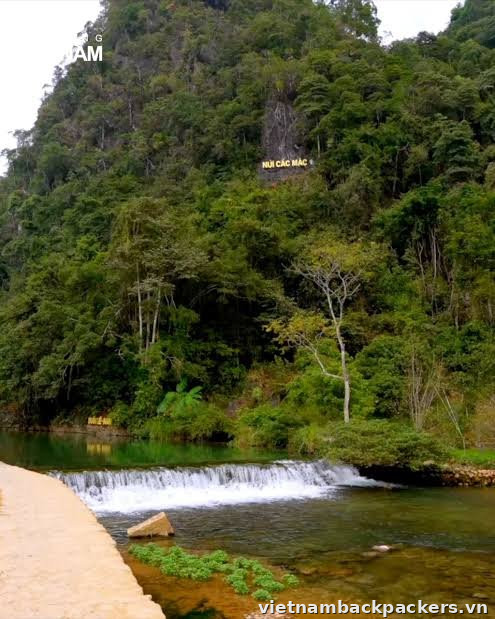
In the morning, depart from Cao Bằng City along the National Highway over Mã Phục Pass heading toward Trùng Khánh. This stretch spans around 90 km with numerous steep bends, taking an estimated 2.5 to 3 hours including rest stops, requiring a steady pace to check into your homestay by afternoon.
Day 2: Bản Giốc Waterfall - Ngườm Ngao Cave
Morning is the best time to visit Bản Giốc Waterfall . The drive from your accommodation to the waterfall takes only around 15–30 minutes, and you should allocate about 2 to 3 hours here to stroll, snap photos, and admire the majestic rushing water. Situated on the Quây Sơn River in Đàm Thủy Commune, this destination offers truly striking natural vistas. The entrance fee is currently around 45,000 VND/person (for reference).
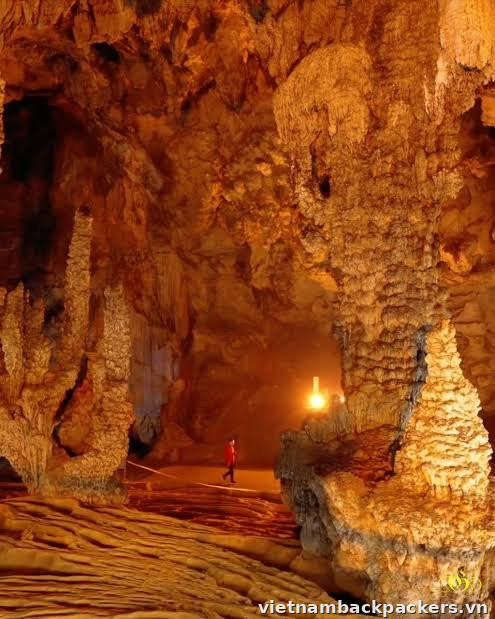
In the afternoon, travel onward to Ngườm Ngao Cave located right near Gun village and Khuổi Ky hamlet, about a 10–15 minute drive away. Plan to spend about 1.5 to 2 hours exploring deep inside the cave. The cave features a wondrous natural system of stalactites, with an entrance fee of 40,000 VND/person (for reference).
Day 3: Trùng Khánh - Pác Bó - Return
On the final day, allow about 2 to 2.5 hours of driving back toward the city, or combine it with a visit to the Lê Nin Stream - Pác Bó Cave historical site with an entrance fee of 25,000 VND/person (for reference). You should budget roughly 2 hours for strolling and sightseeing around the site before packing up to conclude your trip.
Getting Between Destinations
Traveling from Hanoi
The distance from Hanoi to Cao Bằng City is approximately 280–300 km, with travel time usually taking between 6 and 8 hours. For the fastest and most flexible transit, suitable options include limousines, shared cars, or long-distance taxis; long-distance taxis offer the most control over departure times and stops along the way. Alternatively, you can take an overnight sleeper bus to save daytime hours.
The distance from the city center to the waterfall area is about 90 km. The road features numerous winding passes and steep grades, requiring drivers to have experience handling brakes and proper gears.
A practical solution for touring enthusiasts is to take a bus to the city and then rent a motorbike locally for the shorter excursions.
Estimated Costs for this Itinerary
A basic budget per person for 3 days and 2 nights can be calculated using local standard rates.
Motorbike rental in Cao Bằng City is roughly 150,000–200,000 VND/day (excluding fuel). Homestay room rates range from 150,000–250,000 VND/night/person, while 2-3 star hotel rooms cost between 300,000–450,000 VND/single room/night. Attraction entry fees include Bản Giốc Waterfall (45,000 VND), Ngườm Ngao Cave (40,000 VND), and Pác Bó (25,000 VND) (for reference). In total, baseline fixed costs amount to about 1,000,000–1,500,000 VND/person depending on your choice of accommodation.
Note
TipIf you must drive through dense fog, use low-beam headlights or yellow fog lights; strictly avoid high beams, as light scattering will cause glare and severely impair visibility.
Contingency Plans for Bad Weather
When facing severe weather or thick fog that makes steep mountain passes hazardous, the safest recommended course of action is to pause your journey and rest until the fog clears before proceeding. Route-wise, consider flexibly shifting to safer urban attractions right within the city, such as strolling the pedestrian street, visiting downtown cultural sites, or stopping by local eateries to savor regional highland specialties while waiting for conditions to improve.
Pre-Departure Checklist
- Personal ID documents or valid digital ID for border area accommodation procedures.
- Inspect motorbike headlights and brakes before traversing mountain passes.
- Carry cash reserves for ticket counters at attractions.
Frequently Asked Questions
When is the best time to visit Bản Giốc Waterfall?
August and September offer plentiful water flow at Bản Giốc Waterfall, magnificent views, and weather that is still favorable for driving.
How much are the entrance fees for Bản Giốc Waterfall and Ngườm Ngao Cave?
Tickets to Bản Giốc Waterfall are about 45,000 VND/person and Ngườm Ngao Cave about 40,000 VND/person (reference prices).
What documents are required when staying overnight near the Bản Giốc Waterfall area?
Vietnamese citizens need to bring a valid national identity card, citizen ID, or digital identity to register their temporary stay with the local police.
How much does it cost to rent a motorbike per day in Cao Bằng?
Typical motorbike rental rates range from about 150,000 to 200,000 VND per day, excluding fuel costs.
What should you keep in mind when driving over mountain passes in fog?
Turn on low beams or fog lights; avoid high beams because reflected light easily causes glare and impairs your sightline.
Sources: OpenStreetMap (ODbL), Wikipedia/Wikivoyage (CC BY-SA), Google Maps.
Members who reacted
Comments
Please follow the community guidelines when sharing your opinion
No comments yet. Be the first to share.
Comment guidelines | VietnamBackpackers
Comment guidelines
01 · Names and profile pictures
- Do not use offensive, confusing or promotional names or profile pictures.
- Registered names must not exceed 30 characters or contain links, phone numbers or email addresses.
02 · How to communicate
- Follow Vietnamese law and the community's standards of conduct.
- Do not use profanity, insults, derogatory language, defamation or personal attacks.
- Do not write entire comments in capitals. Base discussions on facts and respect differences.
03 · Information and content
- Do not post personal contact details, advertising links or commercial websites.
- Do not spam, copy content from other sources or spread misinformation.
- You are responsible for the content of your comments.
Serious or repeated violations may result in a temporary or permanent account suspension.
People who liked this
Report comment
Let the editors know what is wrong with this comment. Your name is not shown to anyone.
 Bé Bụi