Southwestern lẩu mắm: picking vegetables, ordering a pot, and enjoying it on a road trip
04-10-2026 22:51:07
MEMBER SUPPORT 0367 494 919 Send feedback by email
After a stretch of riding or a walking tour exploring Sài Gòn, a plate of cơm tấm with a piece of grilled pork, a little bì, chả and some accompanying vegetables can be a familiar and easy stop. You don't need to order every component on your first try. Start with an amount of rice that matches your appetite, pick the item you want to try and keep the fish sauce separate, and you'll more easily notice the flavor of the rice grains, the meat and the slightly fragrant richness of the mỡ hành.
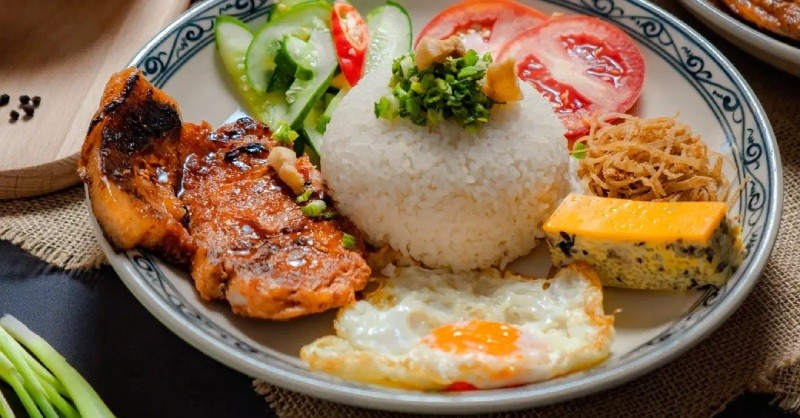
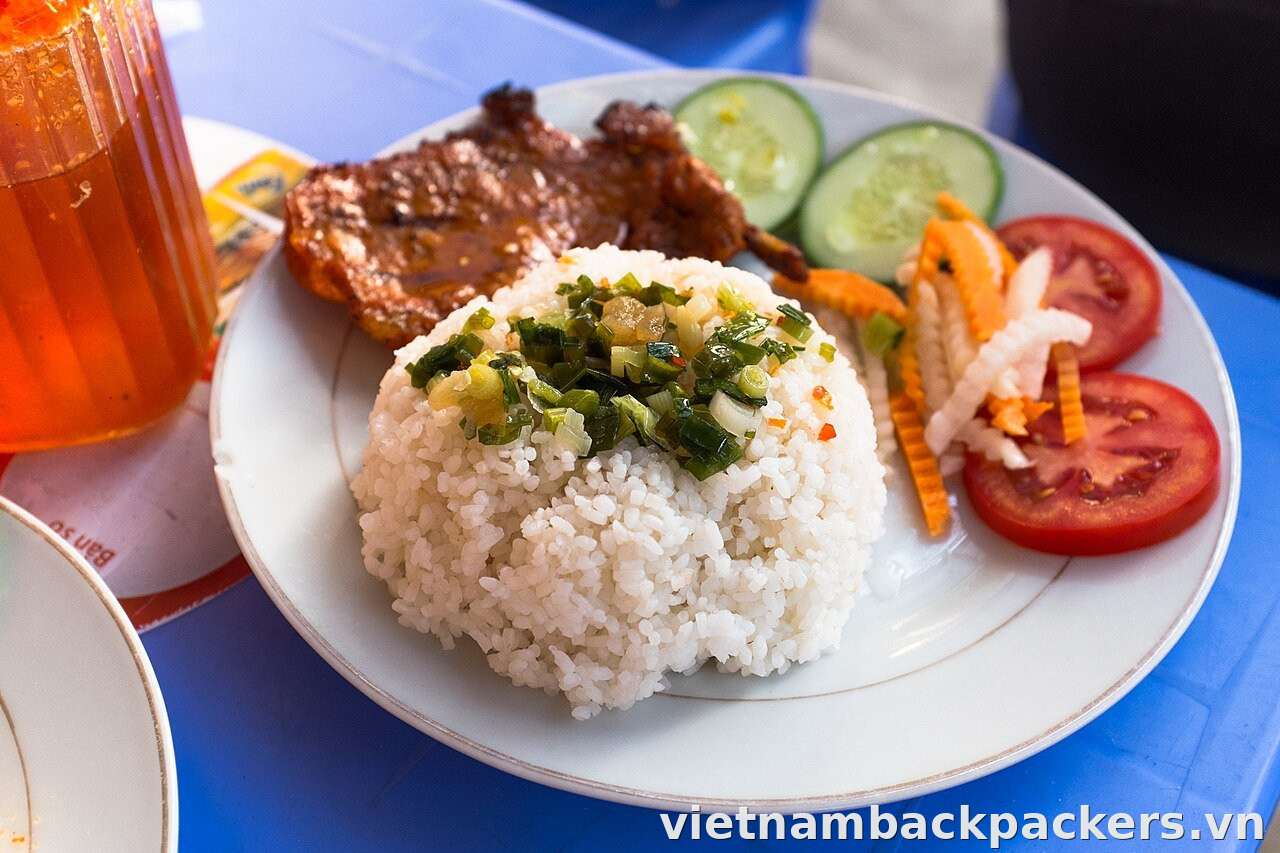 Cơm tấm: taste the rice grains before pouring on lots of sauce
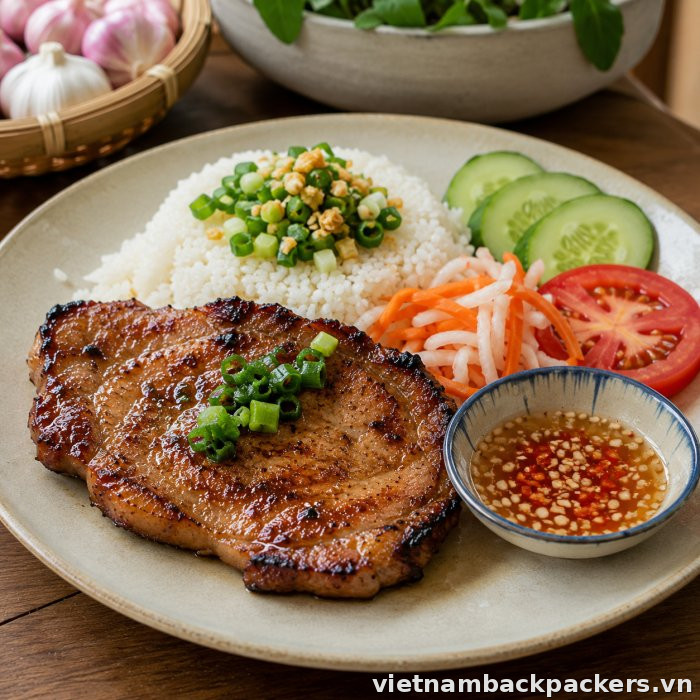 Grilled sườn: separate bite-sized pieces, watch for bones
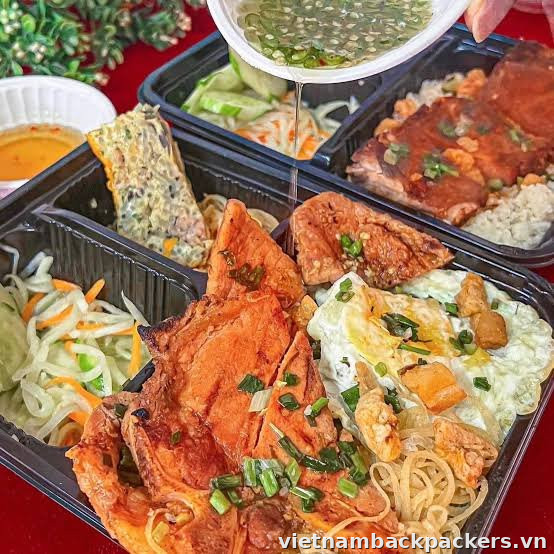 Bì and chả: choose to taste, no need to order every dish
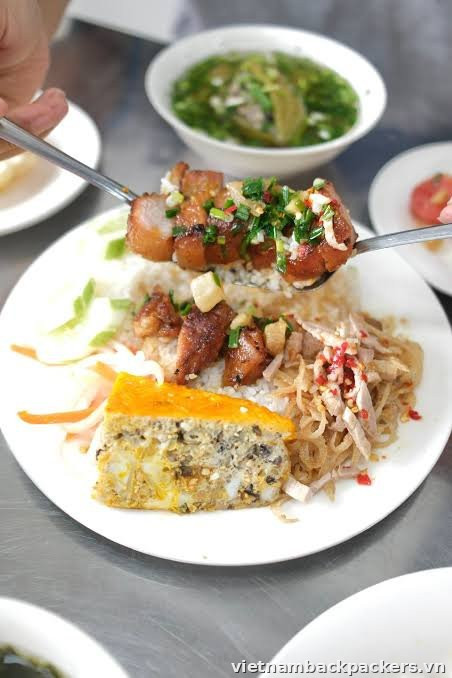 Mỡ hành: ask for a little or on the side if the eatery can serve it that way
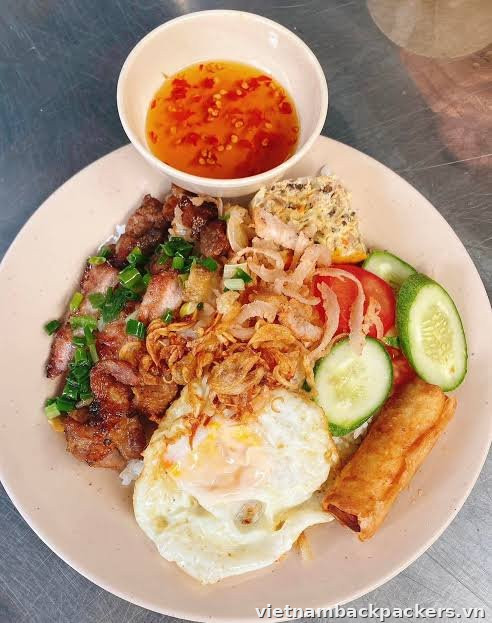 Fish sauce: add a little at a time, alternate with vegetables and pickles

"Tấm" refers to the fragments of rice grains broken during milling, not the name of a particular rice variety. When cooked into rice, the small grains create a different eating sensation than rice from whole grains. The softness, fluffiness and aroma also depend on the type of rice and the cooking method; not every plate with a mound of white rice can be identified as broken rice.
Served with the rice are components you can choose: grilled pork, mixed bì, chả trứng, a fried egg and whatever the restaurant is serving. Sườn bì chả is a familiar combination, not a requirement for something to be called cơm tấm. If you just want to try rice with grilled pork, you can still start from there.
Mỡ hành and prepared fish sauce add aroma and flavor to the plate; cucumber, tomato or pickles create bites with a different texture from the rice and meat. The pleasure is in adjusting each spoonful yourself: a spoon of rice with grilled meat, a spoon with a little bì added, then alternating with a bite of vegetable. You don't need to mix everything into one flavor from the start.
Cơm tấm is tied to the eating rhythm of Sài Gòn but isn't only sold during one time slot. Some stalls serve it in the morning, others at lunch or dinner. For a backpacking trip, choosing a restaurant that is open and on your route is more practical than assuming you must eat at a specific hour to appreciate the dish.
Grilled pork (sườn nướng): usually a piece of pork cutlet that may still have the bone, marinated with seasoning then grilled. The ratio of lean to fat, the thickness and the seasoning vary between stalls. If you prefer leaner meat or want the piece cut beforehand, ask how the restaurant can serve it; the name "sườn" doesn't tell you exactly how much edible meat there is.
Bì: a shredded component usually combining cooked pork skin, finely sliced meat and roasted ground rice (thính). Thính is roasted and ground rice, giving aroma and coating the shreds; bì is not a vegetable or a kind of noodle. Some places adjust the ratio of meat, skin and seasoning, so don't assume the bì is the same at every restaurant.
Chả trứng: usually contains ground meat, egg, wood ear mushroom and glass noodles, cooked then cut into pieces; the top may have a layer of egg yolk for color. This is not sliced giò chả, nor is it made of egg alone. Ask about the specific recipe if you want to avoid a certain ingredient.
Fried egg (trứng ốp la): an add-on at many stalls, which may be done runny or fully cooked depending on how it's served. If you need it fully cooked, say so clearly before ordering. The chả already contains egg, so leaving out the fried egg doesn't mean the whole plate is egg-free.
You don't need to choose all four to "try it properly." If you want to taste the grilled pork, order rice with sườn first; if you're curious about the chewiness of bì, add a small portion if the restaurant has it. When choosing several items, consider the total amount of food so you don't over-order just because the portion name sounds complete.
The menu may list "sườn," "sườn bì," "sườn chả" or "sườn bì chả"; egg and other add-ons are sometimes charged separately. Before choosing, ask what the portion includes, how much rice it comes with and the price of add-ons. The same portion name doesn't guarantee the sườn size or the amount of bì or chả will be the same at two stalls.
A concise way to order is: "Cho mình cơm sườn chả, ít cơm, ít mỡ hành, nước mắm riêng" (Give me rice with sườn and chả, less rice, less mỡ hành, fish sauce on the side). Then confirm the portion price and the add-ons. This way of ordering helps the seller understand your choices; it isn't a required formula for everyone eating cơm tấm.
When traveling in a group, each person can choose their own item then share a little to try if it's convenient. Not everyone in the group needs to order the fullest portion. If you want to share, ask for an extra plate or clean utensils to separate portions before eating; for anyone with allergies, sharing is not a substitute for checking ingredients and cross-contact.
Mỡ hành is scallions combined with oil or fat, not just a sprinkle of raw scallion for garnish. It makes the rice more fragrant and richer, sometimes served with crispy pork cracklings. If you avoid pork, you need to ask what kind of fat is used; the word "hành" (scallion) in the name doesn't mean it's suitable for vegetarians.
Prepared fish sauce usually has a salty, sweet flavor, and may add sourness, garlic and chili. The thickness and balance of flavors vary by stall. Since the meat is already seasoned and there's mỡ hành, pouring too much at the start of the meal can make it hard to notice the flavor of the rice and each item. Using a little at the edge of the plate or in your spoon then tasting again makes it easier to adjust.
Pickles may be carrot, daikon or whatever is being served; cucumber and tomato also often appear. Choose them alternately to your taste instead of thinking you must finish one kind before moving to another. Pickles add sourness and texture, but they don't remove the oil, salt or sugar already in the rice.
If you don't eat spicy food, ask whether the fish sauce already has chili mixed in. Asking for a chili-free bowl is only helpful if the restaurant has a suitable portion kept separate. Those who must avoid fish need to check both the dipping sauce and the marinade for the sườn, bì and chả; skipping the bowl of fish sauce isn't enough if fish sauce is already in the dish.
You can use a spoon and fork if the restaurant provides them, or chopsticks as you're used to. There's no requirement to stir up the whole plate for it to be "correct." Trying the rice on its own first, then combining each item, helps you notice whether you like the plate for its rice grains, meat flavor or accompaniments.
The grilled pork may already be flavorful, so you may not need to dip it in much sauce. If you don't like the charred black parts or find the meat unsuitable, discuss it with the restaurant instead of forcing yourself to finish. The browned color on the surface isn't enough to determine that the inside is cooked to your own satisfaction.
With the egg, you can eat it separately or combine part of it with the rice as you prefer. Those who need food fully cooked shouldn't choose a runny yolk just because dish photos often present it that way. The plate in the photo is one way of combining, not an eating instruction that applies to everyone.
Start from where you are, the time you want to eat and your next direction of travel. A restaurant near your accommodation or on your route is easier to arrange than a long detour for a name that's often mentioned. Asking locals can help you choose a starting point, but you should still check the menu and decide for yourself what suits you.
Before sitting down, check parking, where to put luggage, the table and the food display area. Food that is covered, clean serving utensils and how the bì and chả are stored are worth observing alongside the smell of grilled pork. A crowded restaurant or freshly grilled pork doesn't automatically guarantee the other items are handled properly.
Opening hours, prices and available items need to be confirmed at each stall. If you arrive late, don't assume there's still enough sườn bì chả or the same portions as in the morning. With a departure schedule at a fixed time, asking about the wait and choosing a clear portion will help make the meal less rushed.
If getting takeout, ask for the fish sauce and soup, if any, packed separately so they're easier to carry and you can adjust them yourself. Plan to eat soon after receiving it; don't leave the rice box for many hours on the bike or under the sun. Egg, bì, chả and cooked rice also need proper storage, not just the grilled meat.
If you like a plate of rice, you can note the location, what you ordered and the time you visited to try it again next time. There's no need to turn a meal into a search for the "best restaurant." A plate that fills you up, a good rest, then continuing on is also an experience worth keeping on your journey exploring Sài Gòn.
Egg allergy: check the chả trứng, fried egg and the recipes of other items. Don't just remove the egg on top of the plate; shared utensils also need to be discussed if you must avoid it strictly.
Fish, soy, wheat or dairy allergy: fish sauce, soy sauce, oyster sauce, spice mixes or dairy may appear in the marinade depending on the stall. Not every place uses all of these, but you also can't conclude it's safe just because what you see is rice and meat. Ask about ingredients and cross-contact according to your needs.
Vegetarian or avoiding pork: sườn, bì and chả usually contain pork; mỡ hành, dipping sauce, soup or seasonings also need to be checked. White rice with vegetables on the same plate doesn't automatically become a vegetarian portion if regular fat or fish sauce has been poured over it. Look for a version prepared suitably from the start.
Want less fat, less strong flavor or a small amount of rice: ask for less mỡ hành, keep the dipping sauce separate and choose the number of items according to your appetite. The meat may already be marinated, so skipping the bowl of fish sauce doesn't guarantee the whole plate is low in salt. Broken rice is still rice; the small grains don't automatically make the dish more suitable for a special diet.
When you need food fully cooked, say so clearly to the restaurant and check the raw vegetables, egg and meat. If you have dietary guidance from a healthcare professional, prioritize that guidance rather than trying to order all the familiar components of a cơm tấm portion.
No. Tấm refers to rice grains that broke during milling. The original type of rice and the way it's cooked affect the softness and fluffiness of the rice; the small grain shape alone doesn't determine the entire flavour.
No. Sườn bì chả is a familiar combination, but you can choose cơm sườn or whatever dishes the eatery offers according to your taste. Ask what each portion includes and the price of add-ons before ordering.
It's usually cooked pork skin cut into shreds, combined with shredded meat and roasted rice powder. The ratio and seasoning vary by place; it's not a vegetable or vermicelli and is not suitable for those avoiding pork unless a confirmed alternative version is available.
Not necessarily. Chả trứng usually contains egg in the mixture and may have a layer of yolk on top. People with allergies need to check the ingredients of the whole portion as well as shared utensils, not just the visible egg.
No. You can keep it separate if the eatery can serve it that way, add a little at a time, and taste as you go. The sườn, bì, and chả may already be well-seasoned, so the amount of fish sauce that suits you isn't necessarily the same as your dining companion's.
Try a piece of sườn with the rice first, then add bì, chả, or a bit of fish sauce to taste. If you're already full, there's no need to order every dish. Next time, swapping one side dish will help you discover the combination you prefer.
Please follow the community guidelines when sharing your opinion
No comments yet. Be the first to share.
Serious or repeated violations may result in a temporary or permanent account suspension.
Let the editors know what is wrong with this comment. Your name is not shown to anyone.
Ask me about your travel itinerary!
 Travel assistant
 Bé Bụi