Southwestern lẩu mắm: picking vegetables, ordering a pot, and enjoying it on a road trip
04-10-2026 22:51:07
MEMBER SUPPORT 0367 494 919 Send feedback by email
A loaf grabbed at a rest stop can be a quick breakfast for the road, or a reason to sit a little longer. The crisp crust, the pickles and the hot filling create different sensations at every stall. On a road trip, just pick the kind that suits your taste first: meat, egg, fish cake, or a serving of bánh mì chảo if you have time to sit and eat.
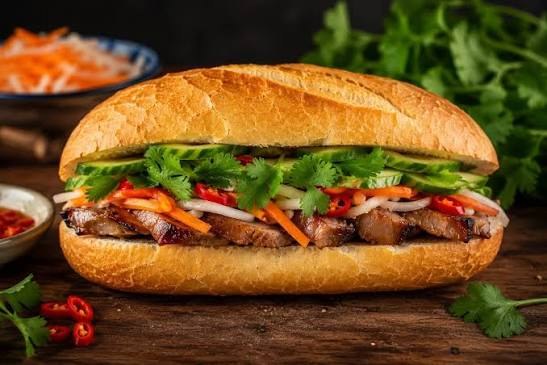
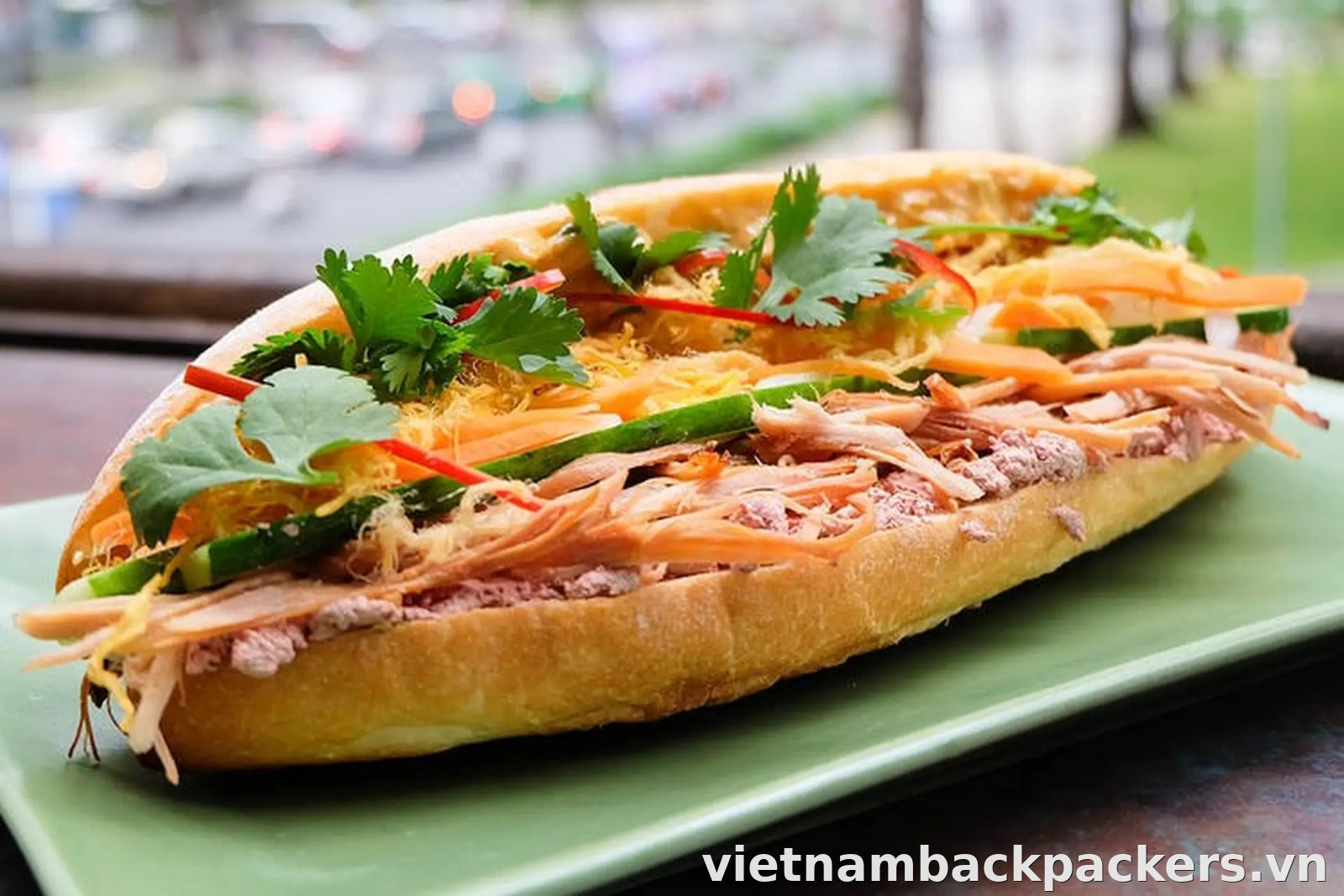 Meat, chả, pâté: ask about the ingredients of a basic loaf
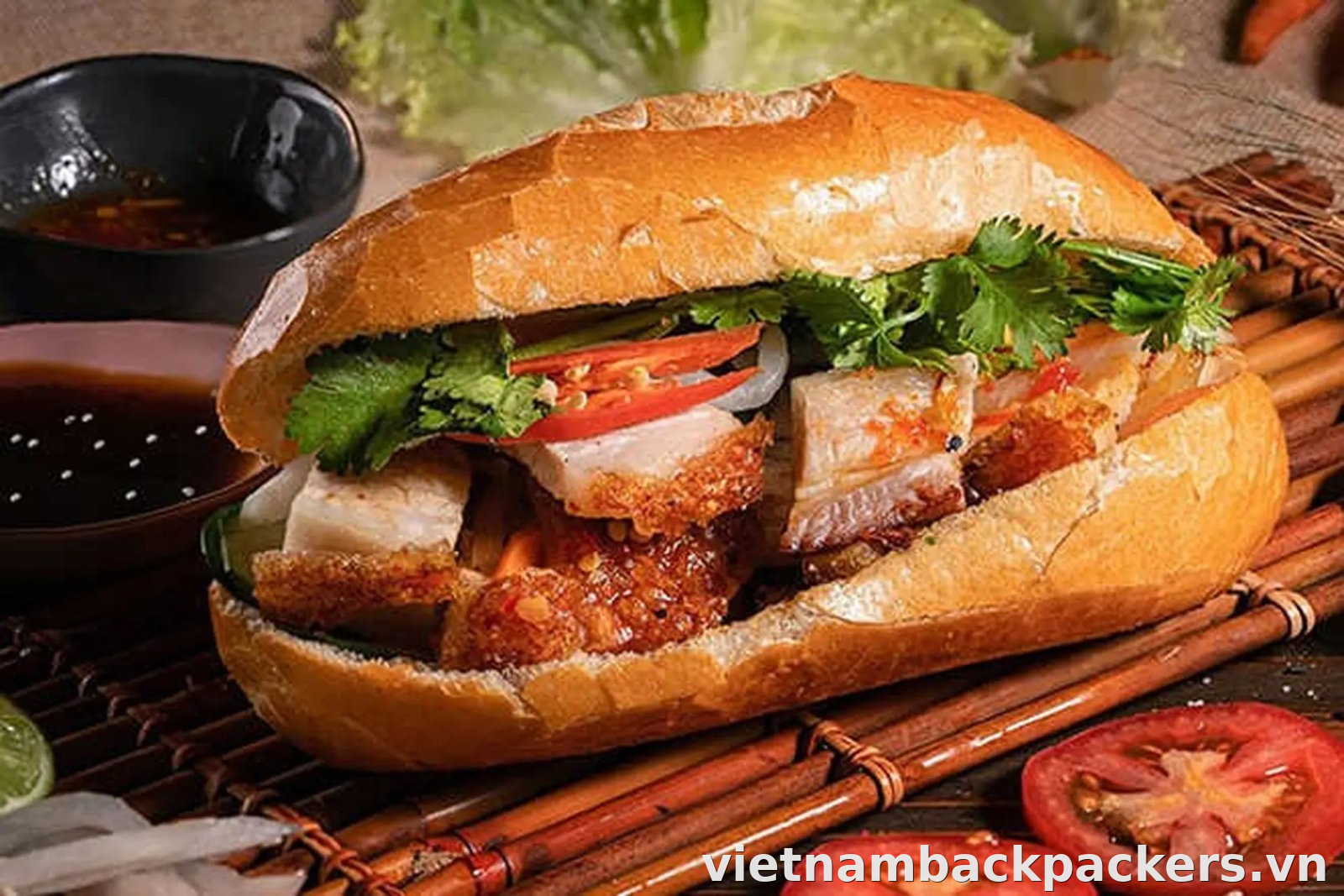 Grilled meat or roast pork: fillings with a bold flavor
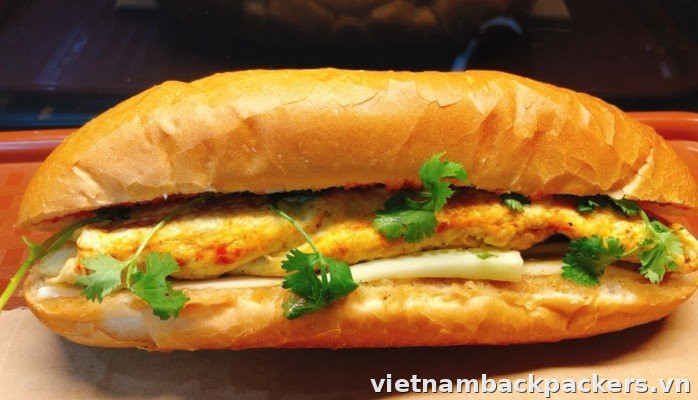 Egg: ask whether it comes with pâté or chả
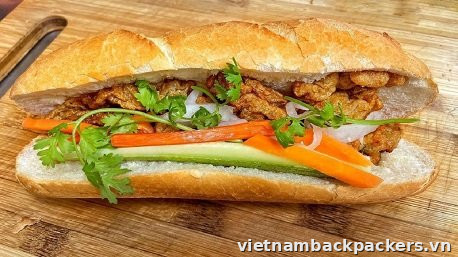 Chả cá: a way to switch things up with a fish-based filling
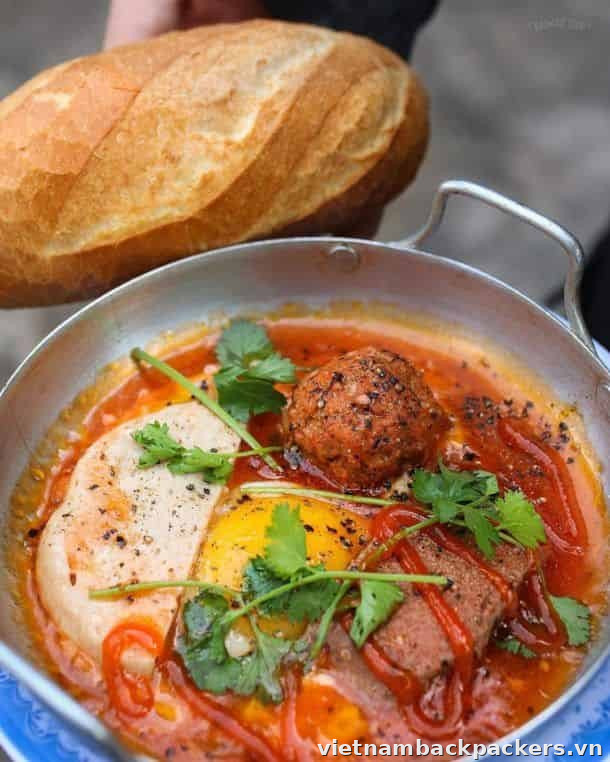 Bánh mì chảo or xíu mại: check how it's served
If you plan to explore Vietnamese bánh mì on your trip, start from what you like to eat rather than searching for a single version considered the standard. Understanding the filling groups and how to order helps you choose a loaf that fits you better, even when the menu is very short.

The sandwich usually has a crisp crust and a light interior, serving as a base for savory fillings, vegetables, pickles and sauce. There is no single filling recipe that applies to all. Meat, chả, pâté, cucumber, cilantro and pickles are ingredients you may encounter, but each stall combines them differently.
The appeal lies in contrast. Meat or pâté brings a rich, fatty flavor; vegetables make each bite fresher; pickles help balance it; the crust adds crunch. A loaf packed with filling isn't necessarily better than a simple one: what matters is that you can still taste the bread and the ingredients don't overpower one another.
"Bánh mì" can also refer to the bread itself, not necessarily already filled. On a menu, bánh mì sốt vang, bánh mì chảo or bánh mì ốp la may be served with the bread and the accompaniments separate. If you want it to go, ask how it's served rather than assuming any item with the word bánh mì is a handheld loaf.
Bánh mì is linked to the baguette brought to Vietnam during the period of French influence. Through many preparation methods and eating habits in each region, the bread is combined with meat, vegetables, pickles and sauce in very distinctive ways. Traveling through many places, you may notice these differences right away in the filling and the way it's served.
From the bread to the filling, bánh mì keeps changing from kitchen to kitchen and region to region. Some stalls stand out for pâté, others for grilled meat or pickles; trying these combinations is part of the fun when you travel through many places.
You also shouldn't assume all Vietnamese bánh mì is made from a mix of wheat flour and rice flour. The recipe depends on where it's made. For those allergic to wheat or needing to avoid gluten, ask about the specific ingredients; the lightness and crispness of the crust doesn't tell you whether the bread is safe for your diet.
This is the group most people think of first. A loaf may combine cold cuts, chả lụa, prepared meats, pâté, pickles and vegetables. Some stalls use many kinds of filling, others focus on one or two ingredients. The name "thịt" (meat) or "thập cẩm" (mixed) isn't enough to guess everything inside.
If you want a moderate flavor, ask what the basic loaf includes and request less sauce. If you don't like pâté, you can say so before the vendor starts spreading the filling; removing pâté after the loaf is finished is usually harder.
Grilled meat usually brings the aroma of meat that has been marinated and grilled. Roast pork can add a crispness from the skin, interspersed with fat and meat. Both suit those who like one standout filling ingredient rather than many layers of cold cuts.
If you prefer less fat, ask whether the meat is fatty. Not every grilled-meat loaf is lean, and "heo quay" (roast pork) doesn't have a fixed ratio of skin, fat and lean meat across stalls.
Egg is an accessible choice when you want a simple meal. The egg may be tucked into the loaf or served alongside the bread on the side. At some places, the dish also comes with pâté, chả or sauce, so don't assume ordering bánh mì with egg means you've avoided meat.
If you need vegetarian with egg, clearly say no meat, no pâté and ask about the sauce. If you need the egg fully cooked, mention it before preparation, especially when the dish is usually served with a runny yolk.
Fish cake is a way to change things up if you like a fish filling. When passing through coastal areas like Nha Trang, you might consider this option alongside the familiar meat loaves. Vegetables, pickles and sauce still vary from stall to stall; tasting a specific loaf will tell you which combination suits you.
Those with a fish allergy need to avoid this choice; people who don't eat pork should also ask about the whole filling and sauce, rather than relying on the name chả cá to conclude the loaf has no other ingredients.
The sandwich gathers the ingredients inside the loaf, convenient to eat right away or carry a short distance. Bánh mì eaten with a hot skillet, egg or sốt vang is usually better suited to sitting at the shop: you tear the bread and dip it in sauce or pick up the accompaniments.
Xíu mại is also an example worth asking about. Some places tuck the meatballs and sauce into the loaf, others serve xíu mại in a bowl with the bread separate. The two offer different experiences, and the convenience for takeaway differs too.
If you're about to get on the bus or keep walking, just say "cho tôi loại kẹp mang đi" (give me the filled one to take away). If you have time to sit and rest, the loaf served with a skillet can turn a quick meal into a relaxed pause. You don't need to try every style in one go; choosing the right way of serving for your travel schedule makes it easier to enjoy.
Instead of just saying "cho một ổ ngon" (give me a good one), you can describe what you need:
Saying so before preparation makes it easier for the vendor to adjust. For allergy or strict dietary requests, the way you ask needs to be more specific than a taste preference: state the ingredients to avoid and ask about the sauce, seasonings and shared utensils too.
You can start with a regular loaf, then try more fillings next time. Ordering the loaf with the most fillings right away can sometimes make it hard to know which ingredient suits you, especially when the dish has a lot of sauce and pâté.
The sandwich is usually best when the crust is still crisp and the filling has just been prepared. Vegetables, pickles and sauce gradually soften the bread, so a loaf left for a while in a bag won't necessarily keep the same experience as when first bought.
If you plan to eat it later, ask the vendor whether the sauce or pickles can be kept separate. This is a tip for preserving texture, not a substitute for safe food storage. A loaf with meat, egg or sauce still needs to be handled and stored appropriately; don't leave it for hours in a hot vehicle and assume the covering crust is enough.
When choosing a stall, pay attention to the filling display area, how things are covered, whether food is kept in suitable conditions, and how utensils are used. A busy stall may have a fast turnover, but that doesn't automatically guarantee hygiene. If the storage leaves you uneasy, choosing another stall is a reasonable decision.
There is no single bánh mì price that represents all of Vietnam. The filling, size, shop location and way of serving affect the price. A basic loaf isn't necessarily the same price as a meat-heavy loaf or a serving of bánh mì chảo.
Look at the price board and ask what your chosen loaf includes, and whether adding egg or meat is charged separately. If a group wants to try several dishes in one sitting, you can choose smaller portions or share a loaf, but don't assume every stall has the same size.
What's worth seeking isn't just the cheapest loaf or the one with the most filling. A portion that matches your hunger, suits your taste and is convenient for the next leg of the journey is usually more useful than buying a lot and carrying it too long.
Vegetarian bánh mì can use tofu, mushrooms or other plant-based fillings, but you still need to ask about the sauce and spreads. Egg bánh mì isn't automatically vegetarian; pâté, chả, fish sauce or animal ingredients can appear in the accompaniments.
Wheat is an important consideration for the bread. Egg may be in the filling or the sauce; fish may be in chả cá and fish sauce; soy appears in some fillings and seasonings. You can't conclude a stall's ingredients from the name of the dish alone.
If you have a severe allergy, ask about cross-contact from knives, tongs, cutting boards and the filling display area. Asking to leave out an ingredient doesn't necessarily mean the shop can control cross-contact. When you can't confirm, don't treat a general guess as a guarantee of safety.
If you like meat and pâté, start with a basic meat bánh mì. If you want ingredients that are easier to understand, try an egg or grilled-meat filling and ask clearly about the sauce that comes with it. There is no single right choice for everyone.
No. Pâté is common at many stalls, but it may be absent in some kinds or left out on request. Ask before ordering if this is an ingredient you want to avoid.
Clearly say "không ớt, không tương ớt" (no chili, no chili sauce), then ask whether the sauce or marinated meat is already spicy. Just removing the chili slices may not eliminate all the heat.
No. Bánh mì chảo, sốt vang or some ways of eating xíu mại are usually served with the bread separate. If you need to take it along, check the packaging and the type of dish before ordering.
Some legs call for just a tidy handheld loaf; other times you'll want to sit and rest with a hot egg portion and bread to dip in sauce. Choose the style that fits your stopover time, eat in a safe spot, and then get on the bus. If you want it to go, ask about the packaging and eat it soon.
Please follow the community guidelines when sharing your opinion
No comments yet. Be the first to share.
Serious or repeated violations may result in a temporary or permanent account suspension.
Let the editors know what is wrong with this comment. Your name is not shown to anyone.
Ask me about your travel itinerary!
 Travel assistant
 Bé Bụi