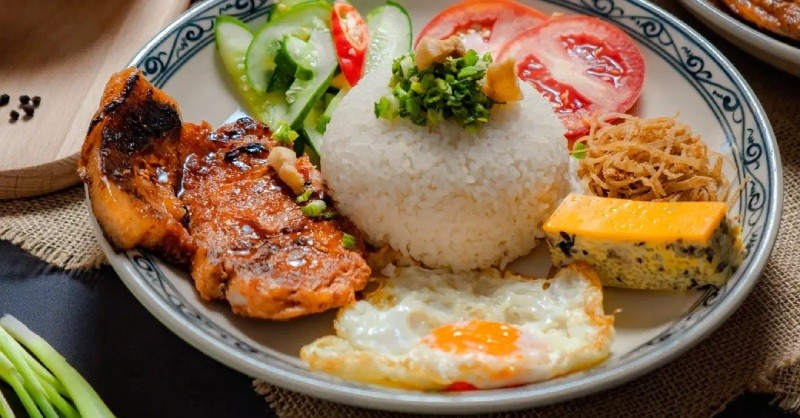
Cơm tấm Sài Gòn: how to order sườn bì chả and enjoy it while backpacking
04-10-2026 22:49:42
MEMBER SUPPORT 0367 494 919 Send feedback by email
A pot of lẩu mắm, a basket of colorful vegetables, and a plate of bún can keep the whole group sitting a while longer after a leg through the Mekong Delta. The smell of mắm is the starting point, but the pleasure of the meal also lies in picking each sprig of vegetable, waiting for the dipping items to cook, then combining them in your bowl to taste. If you're trying it for the first time, order a pot that matches your appetite, ask what the portion already includes, and start with a little broth instead of filling your bowl right away.
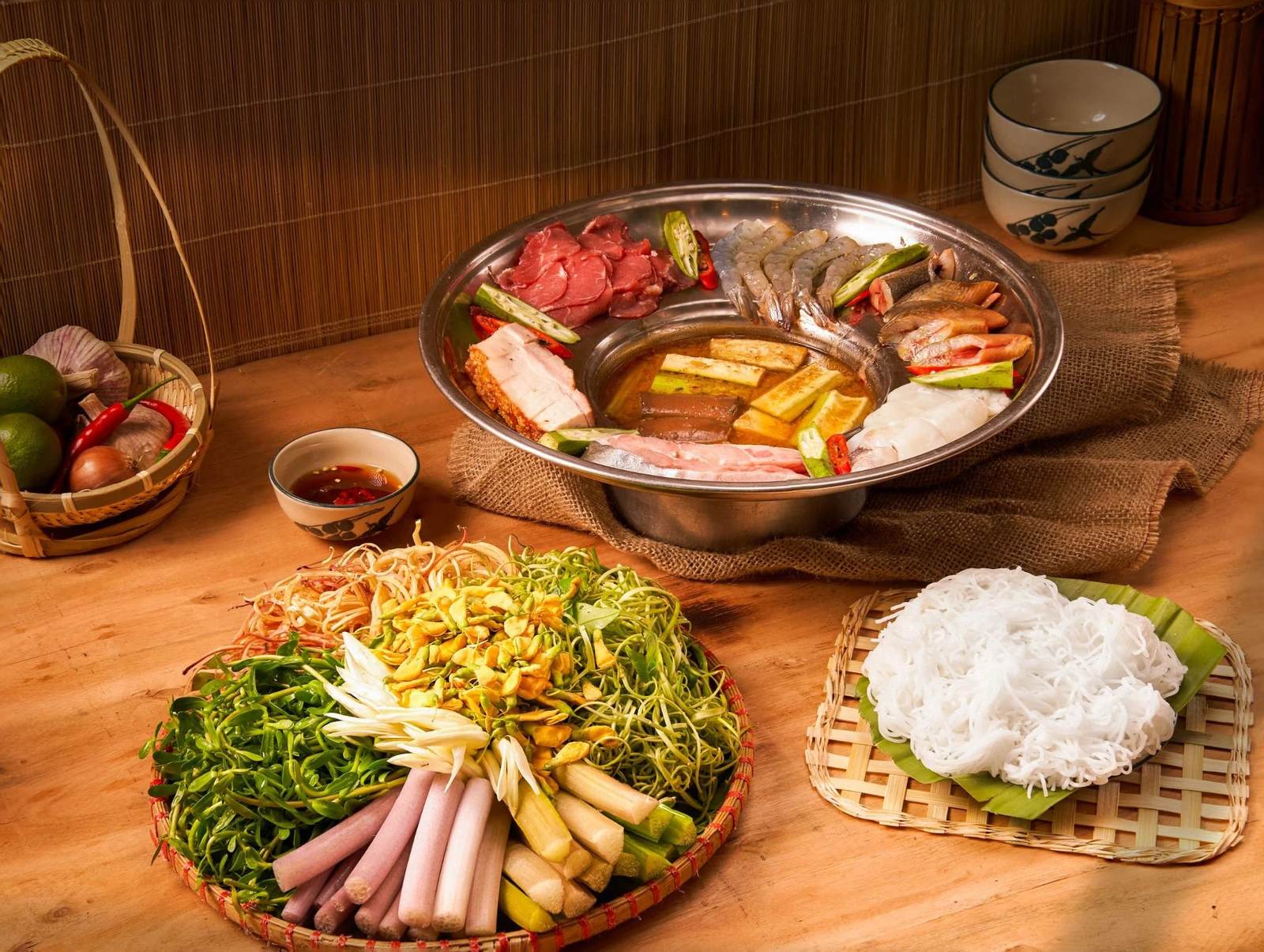
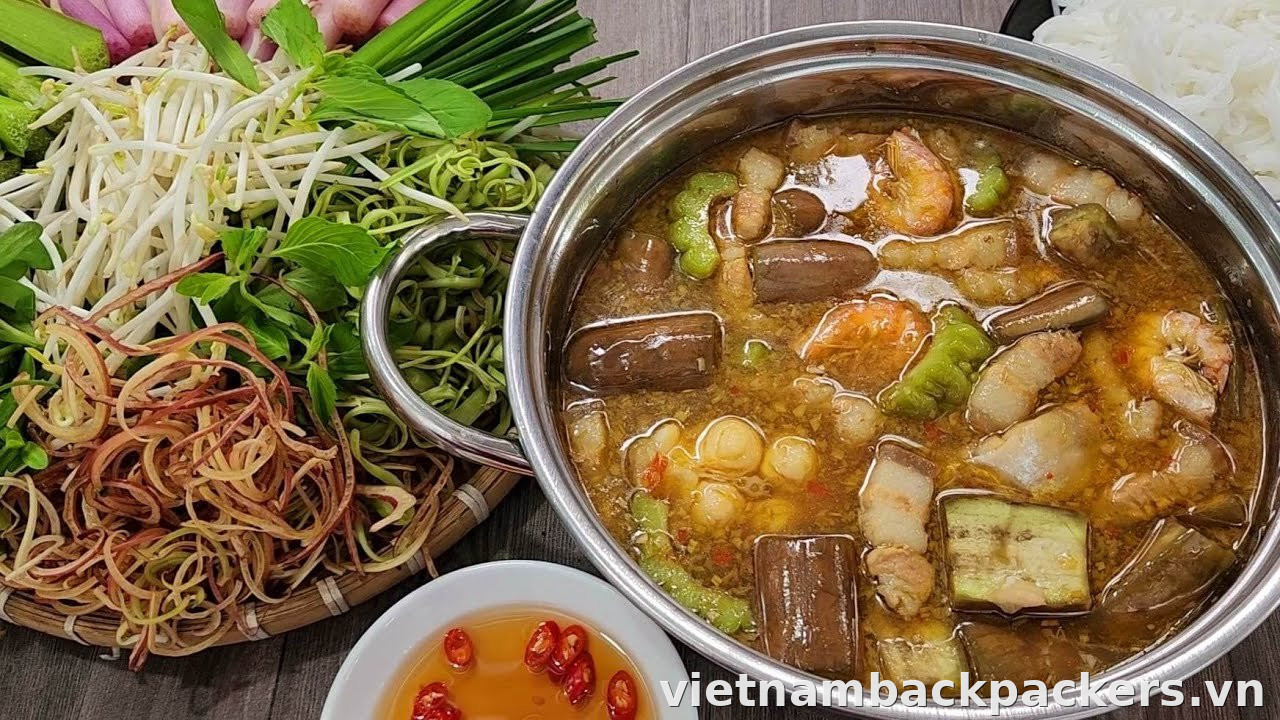 Broth: mắm cá linh and cá sặc are common fish sauce bases
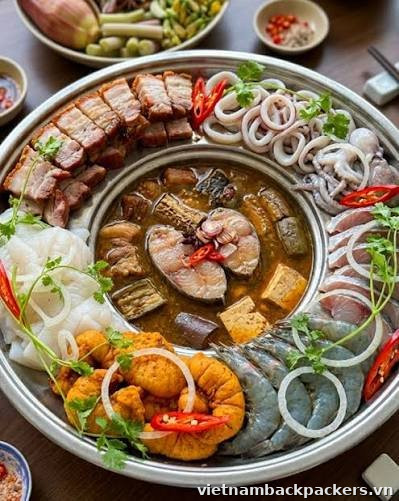 Fish, meat, shrimp, squid: ask what's already included before ordering more
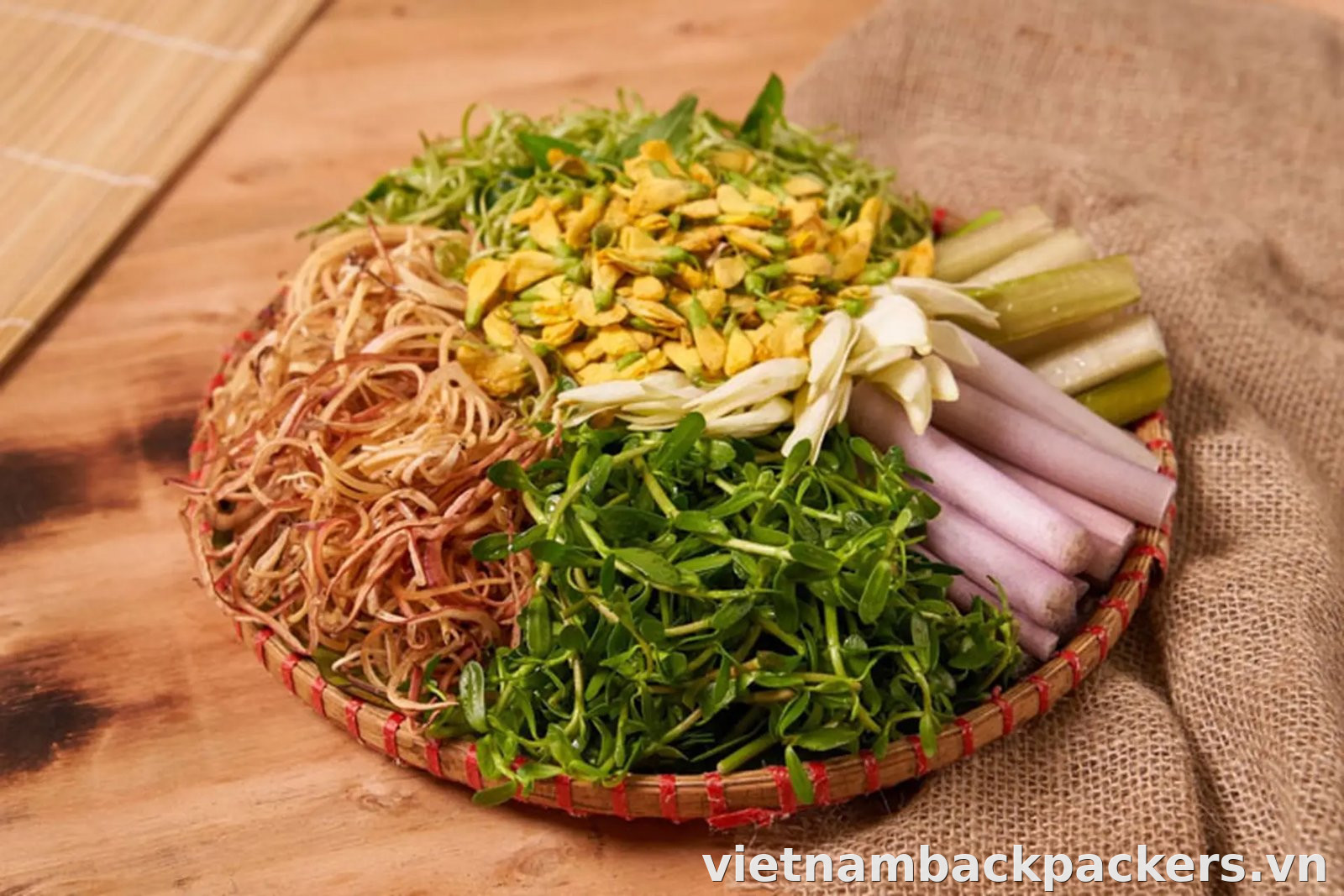 Vegetables by the day: bông súng, rau nhút, bắp chuối and whatever is available
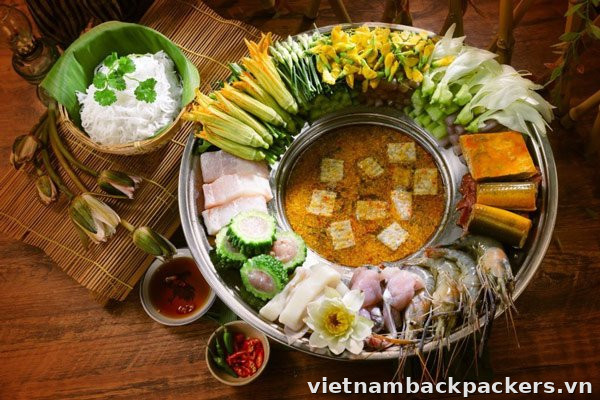 Noodles: add enough to a bowl, top with cooked dipping items and ladle on a little broth
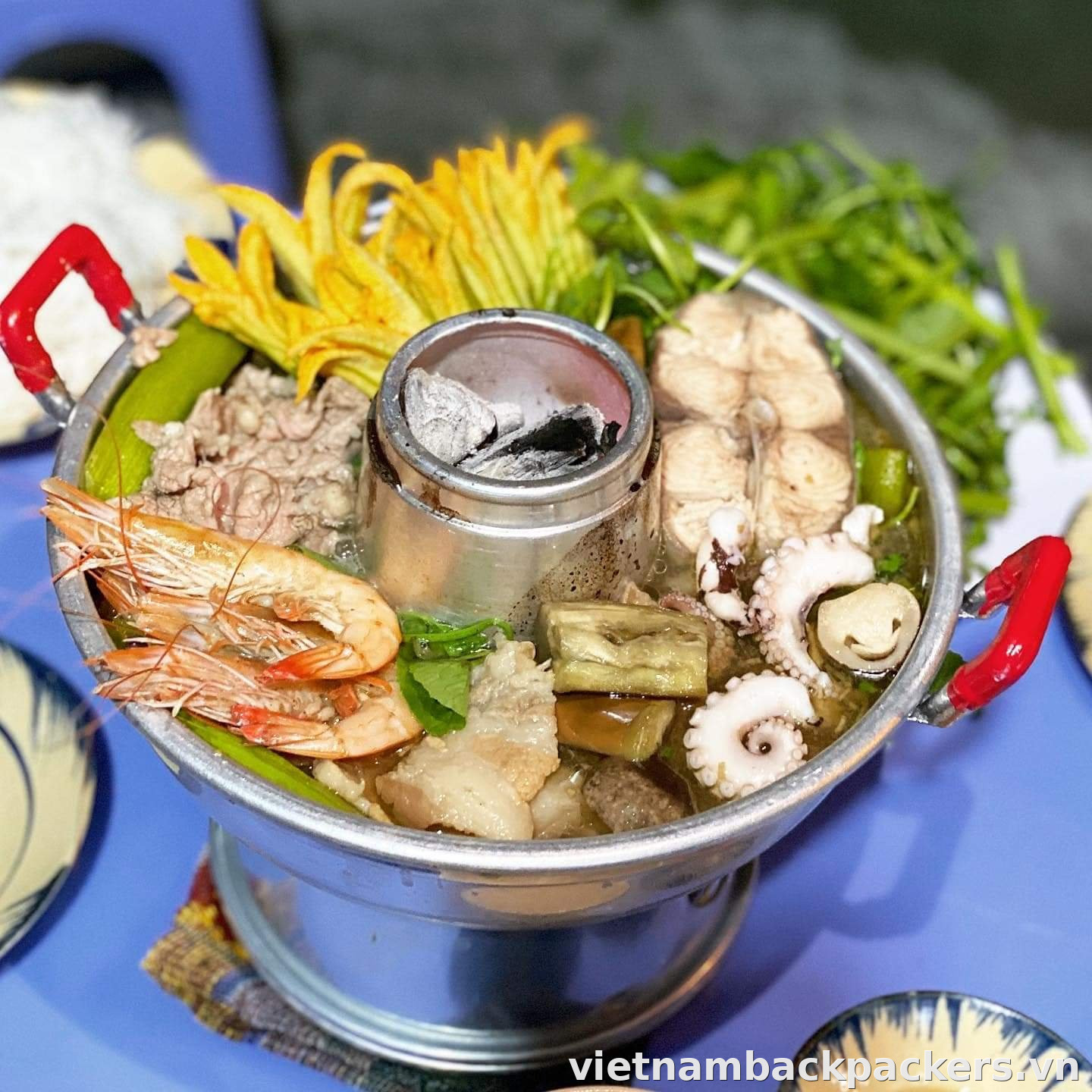 Raw items: dip the right amount, wait until cooked and use separate utensils
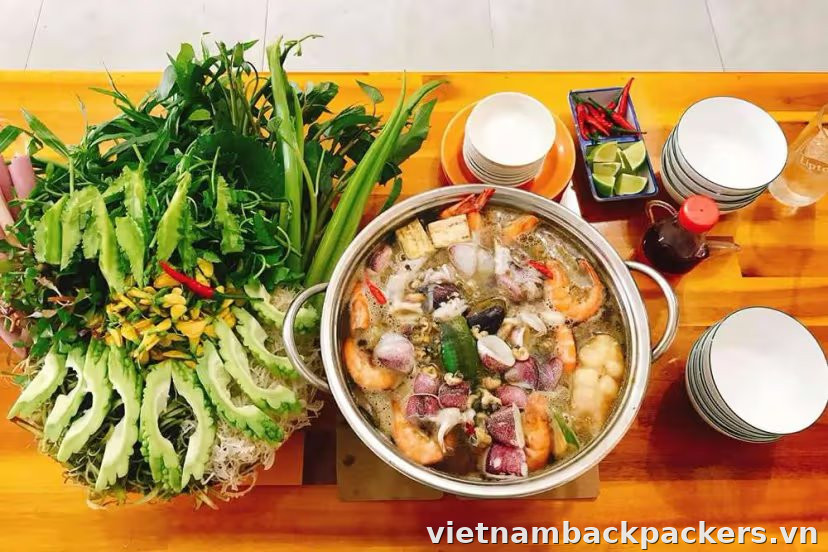 Dipping sauce: taste first, add a little at a time if needed

Lẩu mắm gets its flavor from fermented fish (mắm) cooked into the broth, not just from the fish or seafood dipped into the pot. Mắm cá linh and mắm cá sặc are common choices; some methods combine both. The mắm is cooked and strained to extract the liquid, then mixed with stock and seasonings. That's why the distinctive aroma is in the base of the pot before you add shrimp, meat, or vegetables.
Compared with a pot that leans sour, lẩu mắm usually draws a first-timer's attention first to the smell of mắm and its bold flavor. Lemongrass, eggplant, the sweetness of the broth, and the dipping ingredients add further layers of flavor. Recipes differ from one establishment to another: some use bone broth, some add coconut water, and the balance of sweet and spicy also varies.
The vegetables give the meal plenty to explore. A piece of soft eggplant, a still-crisp water-lily stem, or a bit of bitter herb creates different sensations even when dipped in the same pot. You can try them one at a time and find the combination you like, without putting all the vegetables and dipping items in at once.
The dish is tied to Mekong Delta cuisine, but there is no single vegetable basket or list of dipping items that applies to every restaurant. A pot with many kinds of seafood isn't necessarily a better fit for you than a simpler one that matches your appetite. What's worth asking about is the mắm being used, the accompanying portions, and how it's served at the table.
The mắm base: mắm cá linh or cá sặc brings the flavor of fermented fish into the broth. This is fermented fish, not just a bowl of fish sauce set aside. Those sensitive to the smell can ask the restaurant about how bold the broth is before ordering; reducing the dipping items doesn't make the mắm base smell disappear.
Fish: you may come across cá lóc, cá basa, or whatever fish the restaurant is serving. Pieces cut into chunks usually have bones, while fillets are prepared differently. Ask clearly about the type of fish and how it's cut if you're traveling with small children or people who find it hard to remove bones; don't identify the fish by the look of a piece of flesh in the pot.
Shrimp, squid, and add-on items: are options in many pots of lẩu mắm, but they don't have to all be present. Some establishments also combine pork, beef, or other ingredients. Check the menu to know what the pot you chose already includes, which parts are served raw for dipping, and which parts the restaurant has cooked in advance.
Eggplant and lemongrass: are often part of the preparation. Eggplant may already be in the broth, while lemongrass adds aroma to the base. If you like eggplant, ask how much is already in the pot and whether you can order more, instead of assuming every plate of dipping items comes with it.
When traveling in a group, it's best to agree on the main items first, then order extras. One person who wants to try fish and another who prefers shrimp can share portions in the same pot if there's no need to avoid certain ingredients. With allergies or specific dietary needs, dipping together means the broth and utensils both come into contact with those ingredients.
The vegetable basket may include bông súng, rau nhút, rau muống, bắp chuối, kèo nèo, rau đắng, or bông điên điển. The contents depend on the vegetable supply, the timing, and the restaurant's choices. Just because a certain vegetable comes up often in stories about Mekong Delta cuisine doesn't mean that on the day you visit, everywhere is serving it.
Bông súng: the part usually eaten is the prepared stem, cut into segments. This is where you can try the texture of vegetables alongside the soft fish. If you're not used to it, take a little first, ask the restaurant how to dip the kind being used, and keep it separate in your bowl to notice the chewing sensation.
Rau nhút, rau muống, and kèo nèo: bring different forms of stems and leaves. Shredded bắp chuối creates fine strands, while rau đắng has a flavor worth trying if you like to explore. Naming each kind or asking the seller to point them out is more interesting than treating the whole basket as one vegetable with a single flavor.
Bông điên điển: is an option you may come across, but it isn't a requirement for a pot of lẩu mắm to be good. Ask the restaurant what vegetables they have today, then choose from what's being served. There's no need for a detour or to change your riding schedule just to find a basket with every name on it.
Dipping small amounts at a time makes it easier to control what's cooking and avoid leaving vegetables in the pot too long. Thick stems, thin leaves, and blossoms have different cooking times; ask the server if you're not familiar. Vegetables should be properly prepared and cooked, not just passed through the hot water for color.
White bún usually comes with lẩu mắm. Put a moderate amount in your bowl, add cooked vegetables and dipping items, then ladle in a little broth to taste. You can add more gradually, rather than filling your bowl right away before you know how bold your pot is.
Don't take the size of a pot in a photo as the standard for a portion at the restaurant. Small, large, or "for groups" pots can differ in the amount of fish, meat, seafood, vegetables, and bún. State the number of people and your appetite so the restaurant can suggest, then ask specifically about the accompanying portions before deciding.
An easy question to use is: "Our group wants to order a medium pot; what dipping items does it already include, and how are extra vegetables and bún charged?" If you want it less spicy, say so in advance and ask whether the chili is already in the broth or served separately. Asking to leave out chili in the dipping bowl doesn't change what's already seasoned in the pot.
Traveling alone, you can ask about a small portion or a suitable way of serving, if the restaurant has one. A bowl of bún mắm is another option where it's sold, but you shouldn't treat it as a miniature pot of lẩu mắm with the right amount of vegetables and dipping items. Ask about the menu items to choose the meal you really want to eat.
The price of the pot and the total should be confirmed right at the restaurant, along with drinks and extra items. There's no single general price accurate enough for every stop in the Mekong Delta. Ordering a modest initial portion and adding as needed is easier to manage cost-wise than ordering the largest spread right away.
Lẩu is a meal with its own rhythm: wait for the water to heat up, put the ingredients in, wait until they're cooked, then pick them out. Ask the restaurant which parts need more cooking and how to use the burner at the table. Plates of fish, meat, and shrimp arranged nicely around the pot may still be raw ingredients; they're not ready-made food to pick straight into your bowl.
Keep the utensils for raw items separate from those for cooked food, and use a clean shared ladle for the broth. When you've just added raw meat, fish, or seafood, wait until it's properly cooked before taking more food and broth. If you don't know how to adjust the burner, ask the restaurant rather than turning the flame up high yourself or moving the hot pot.
When the broth runs low or the flavor becomes too bold, talk to the server about adding broth. Pouring in drinks or any other liquid yourself can change the flavor and affect the cooking. Keep your phone, luggage, and sleeves away from the burner; with small children, choose a seat where it's easy to keep distance from the hot pot.
When it's the fish's turn, remove the bones carefully in a separate bowl, and don't rush to swallow while talking. A small bowl of bún, vegetables, and cooked dipping items makes it easier to try each flavor than a bowl full of broth. Once you know which vegetable you like, order more of it if the restaurant has it, rather than forcing down the whole basket just to finish the list.
Prioritize a stop along your direction of travel or near your accommodation. Lẩu takes time to wait for and is eaten at the table, so it suits a relaxed break more than a quick meal before setting off. If there's still a stretch of riding after the meal, factor in the time for waiting, resting, and sorting out luggage, not just the time spent eating.
Asking locals can help you find a starting point. Then look at the menu, how ingredients are displayed and stored, and the tables and utensils; a crowded restaurant is no substitute for observing these things. Confirm where to park, where to put your backpack, and the seating so the group doesn't have to place belongings right next to the burner.
If you want to try a specific vegetable, ask before ordering the pot. Instead of searching for "the most authentic restaurant," you can note what the mắm base of the pot you ate was like, which dipping items you liked, and what the vegetable basket included that day. Those notes help you choose by taste next time, rather than turning every meal into a chase after a ranking.
With a travel schedule that doesn't guarantee your arrival time, double-check the restaurant's serving hours and how many dishes are still available. If it's dark or the whole group is tired, choosing a meal along your route is more practical than going far out of the way to find a hotpot you've only heard about. The person driving should not drink alcohol during the meal; rest enough before continuing your journey.
Hotpot is also not a dish that's convenient to carry for many hours in a vehicle. If you need to get it to go, ask how to pack the broth, vegetables and dipping ingredients separately, and arrange suitable conditions for storing, cooking and eating. Don't assume a freshly bought box can sit in a backpack under the sun until evening before being eaten.
Fish allergy: the fish sauce is right there in the hotpot broth. Removing the fish pieces you dip in, or choosing portions with only meat and vegetables, does not eliminate that fish component. If you need to avoid fish, choose a dish with a different broth base confirmed to be suitable, rather than trying to adjust a typical lẩu mắm pot.
Allergy to shrimp, squid or other seafood: separately check the ingredients you must avoid, the seasonings in the hotpot broth and shared utensils. A pot the whole group has dipped shrimp into does not become suitable simply by picking out all the shrimp. Discuss your requirements before the restaurant prepares the dish.
Vegetarian or avoiding a type of meat: plenty of vegetables doesn't mean the hotpot broth is vegetarian. Besides fish sauce, bone broth and meat portions may also be part of the cooking. If there's a vegetarian version, ask about the ingredients and preparation from the start; don't infer from the dish name or the basket of vegetables alone.
Need to limit salt: the fish sauce base and seasonings can make the whole pot strongly flavored, even if you don't add extra dipping sauce. Eating less of the broth is one way to adjust your intake, but it doesn't confirm the entire dish is low in salt. For a specifically prescribed diet, choose dishes that match that guidance.
Those who need their food thoroughly cooked should state this clearly when ordering and ask the restaurant to help cook suitable portions. Vegetables, fish, meat and seafood all need to be handled properly; adding chili, lime or fish sauce is no substitute for cooking and storing food safely.
Mắm cá linh and mắm cá sặc are common choices, with some recipes combining both and then straining for the liquid. The ratio, broth base and seasonings vary by place; to know what the pot you ordered uses, ask the restaurant.
No. The basket of vegetables may include bông súng, rau nhút, rau muống, bắp chuối, rau đắng or whatever is available. Bông điên điển is one option, not a requirement; ask about the vegetables served that day rather than assuming it's always there.
You can ask the restaurant about a small portion or a suitable way to serve it. Confirm the amount of dipping ingredients, vegetables, noodles and the price before ordering. If you choose bún mắm where it's sold, that's a different way of serving, not necessarily the same as a hotpot in terms of ingredients and amount.
No, not with a pot that uses fish sauce, because the fish is already in the hotpot broth base. People with a fish allergy need to check the broth and choose a different suitable dish. Removing the visible parts does not eliminate the component already cooked into the liquid.
No. Thickness, type of ingredient and the amount added all affect the cooking process. Wait for the food to be properly cooked, keep separate utensils for raw and cooked items, and ask the restaurant for guidance if you're not familiar; don't apply a single short dipping time to every item.
Dip vegetables a little at a time to test the texture of each kind, and wait for the fish and dipping items to cook before picking them up. Ask the names of vegetables you're unfamiliar with and only order more when the first pot is nearly finished. After the meal, take a little time to rest before continuing your journey.
Please follow the community guidelines when sharing your opinion
No comments yet. Be the first to share.
Serious or repeated violations may result in a temporary or permanent account suspension.
Let the editors know what is wrong with this comment. Your name is not shown to anyone.
Ask me about your travel itinerary!
 Travel assistant
 Bé Bụi