Southwestern lẩu mắm: picking vegetables, ordering a pot, and enjoying it on a road trip
04-10-2026 22:51:07
MEMBER SUPPORT 0367 494 919 Send feedback by email
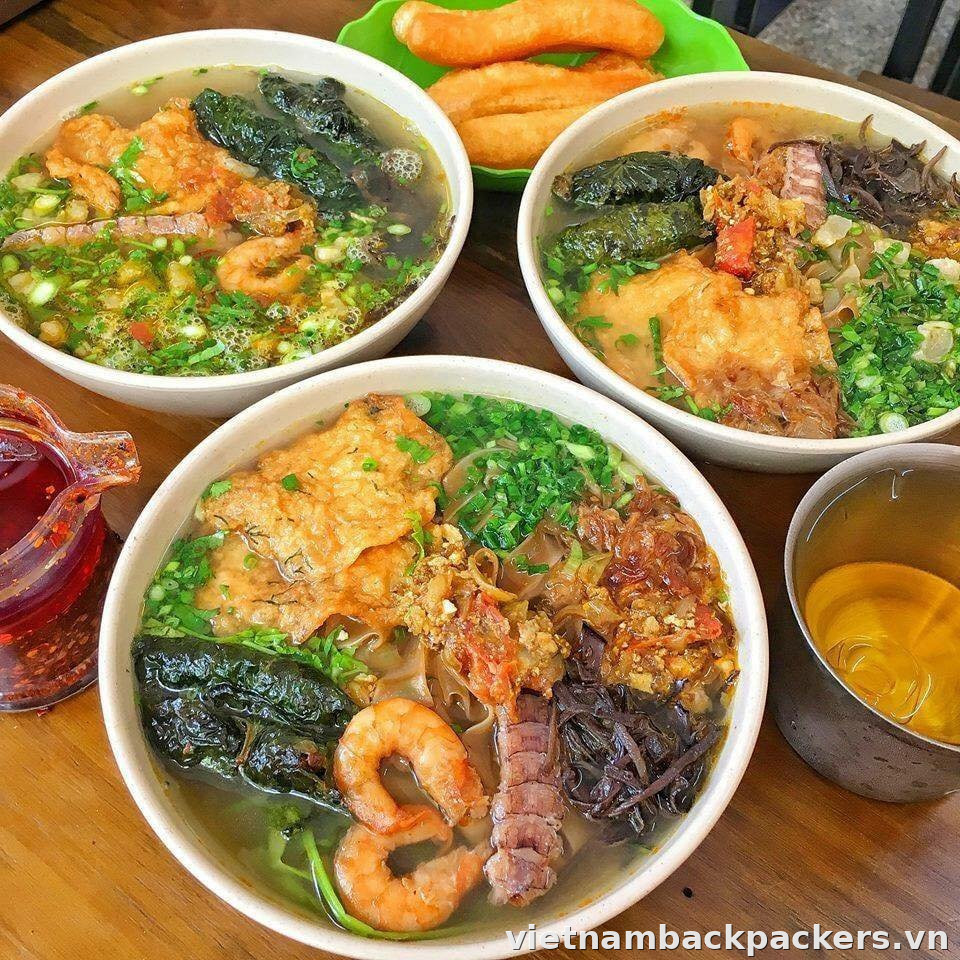
Passing through Hải Phòng, a hot bowl of bánh đa cua can be breakfast before setting off or a stop after a walk exploring the streets. The reddish-brown bánh đa noodles, the crab paste, the greens and the fried shallots make for a colourful bowl, but you don't necessarily have to order every topping on the first try. Just start with a filling portion, taste the broth before adding seasoning, then see for yourself whether you prefer the delicate crab flavour, the chả lá lốt, or a bit of crispy pork cracklings.
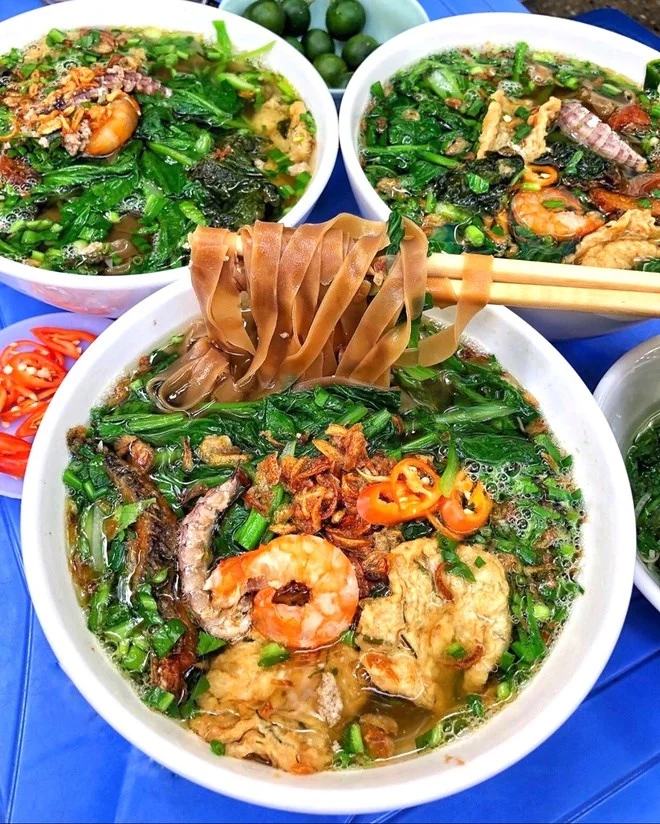
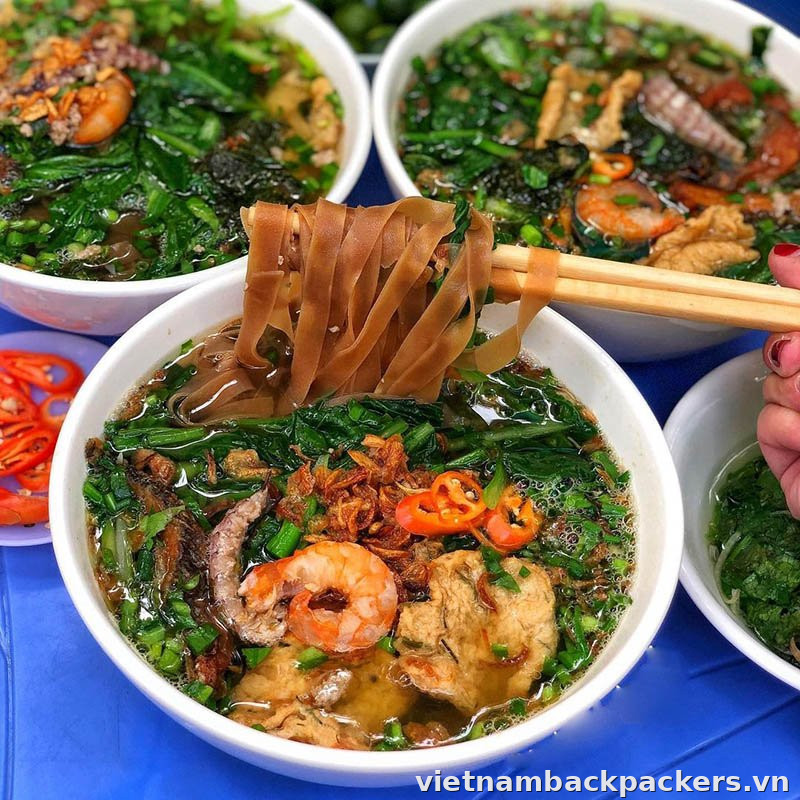 Red bánh đa: try the noodles once the bowl has cooled a little
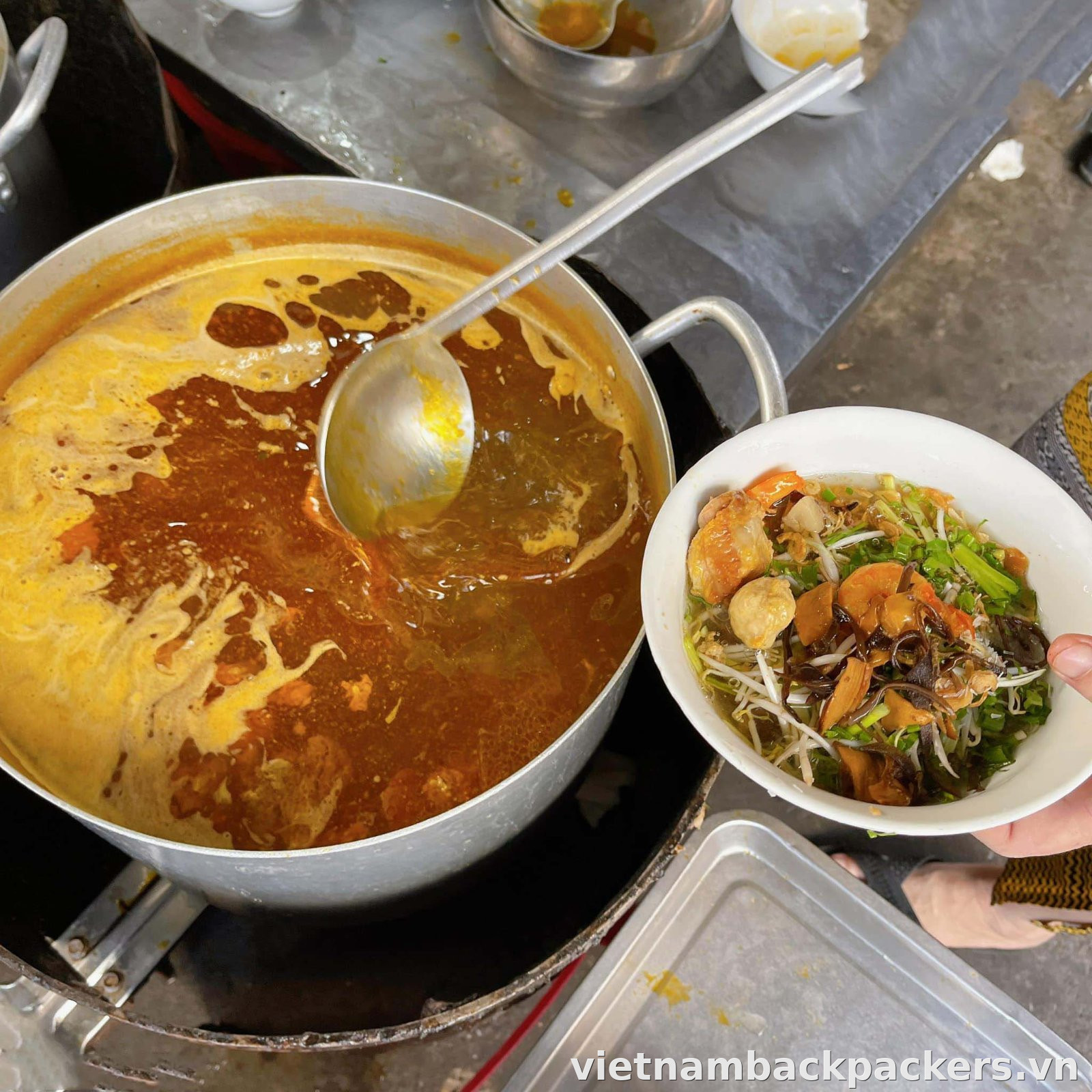 Riêu and broth: taste the crab flavour before adding seasoning
 Chả, shrimp, vegetables: choose by taste and appetite
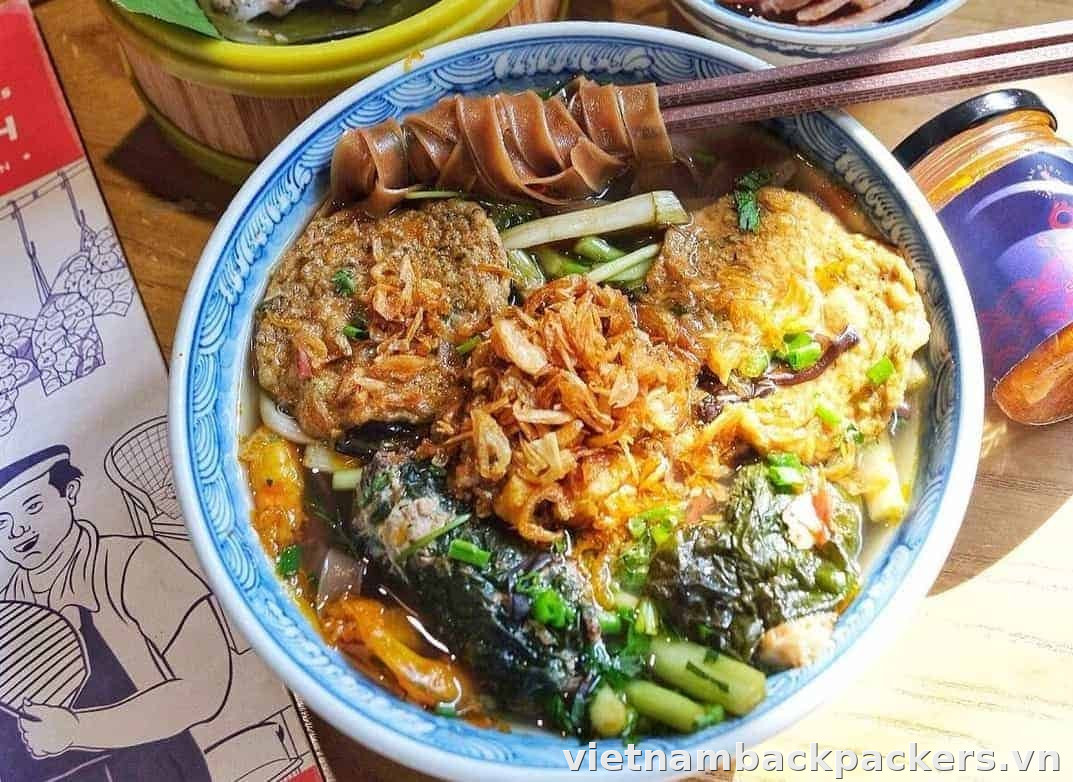 Fried shallots, tóp mỡ: ask for less if you want a lighter bowl
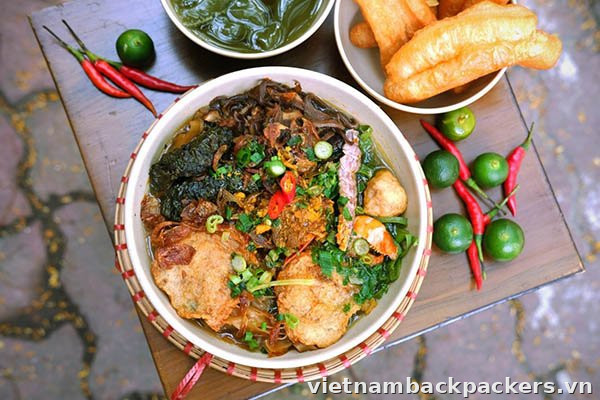 Sour and spicy: add a little at a time then taste again

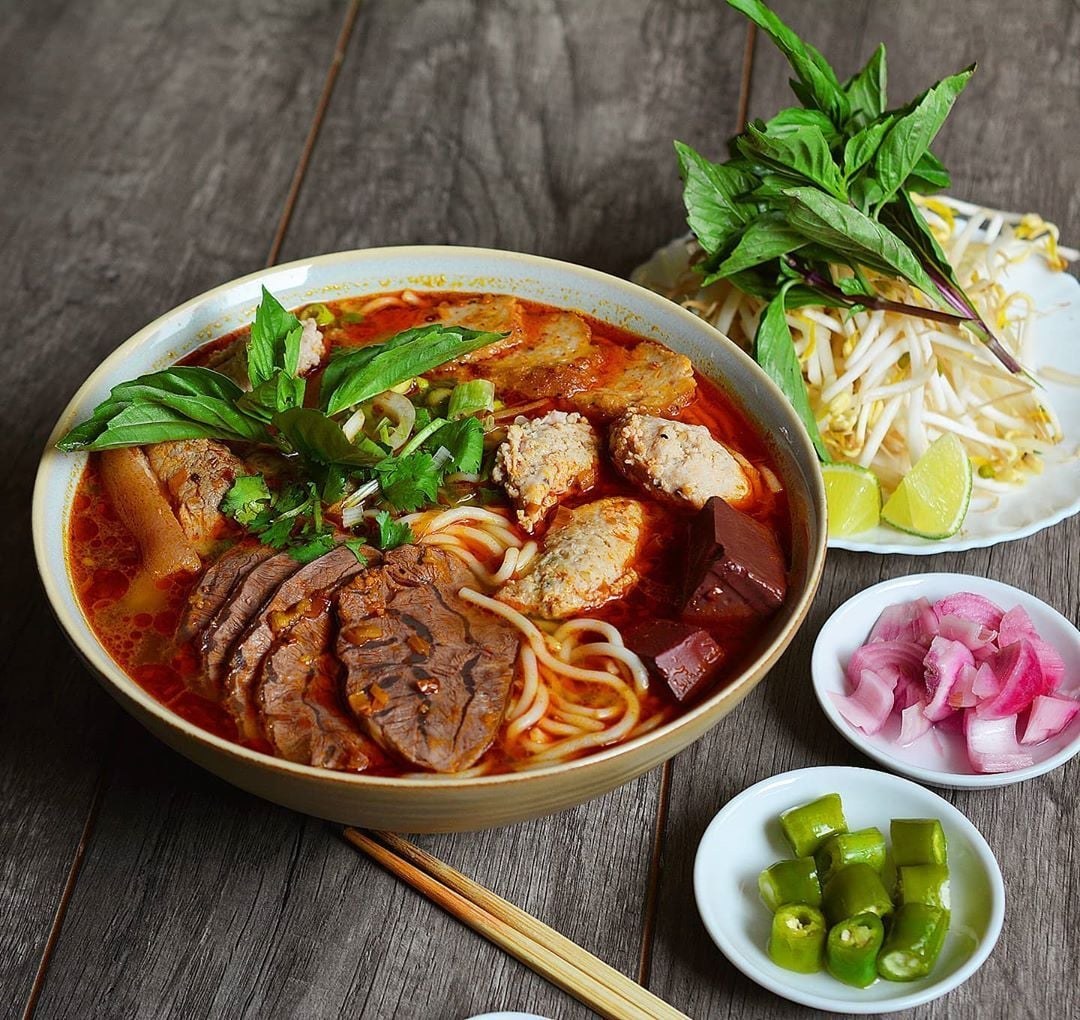
Bánh đa cua is a dish using bánh đa noodles with broth and crab paste made from crab, usually field crab. When ordering in Hải Phòng, you'll often come across red bánh đa: flat strands, reddish-brown in colour, soft and chewy depending on how it's blanched. This is not the crispy grilled bánh đa you break off to eat alongside, but strands that are softened and put into the bowl to eat with the broth and toppings.
A bowl may have crab paste, water spinach or rau rút, chả lá lốt, fried shallots and pork cracklings. Some shops add chả cá, shrimp, mantis shrimp, meat or other items. It's this combination that means two bowls of the same bánh đa cua in two places can be very different in the amount of toppings, richness and broth flavour.
What's worth trying isn't just counting how many things are in the bowl. Pay attention to whether the bánh đa noodles are as soft as you like, what the crab paste tastes like and whether the broth is rich enough. Choosing a bowl with fewer toppings sometimes helps you notice those ingredients more clearly than a special bowl that's too full.
When stopping in Hải Phòng on a backpacking trip, you don't need to turn a meal into a search for the busiest spot. A shop that's on your way, with clear portions and comfortable seating, is already a starting point for exploring the dish. If it suits your taste, you can note down the location and the portion you ordered to try again next time.
The bánh đa noodles: the reddish-brown colour and flat strand shape are easy-to-spot signs in many bowls of Hải Phòng bánh đa cua. When blanched just right, the strands are soft but still have a chew. Left too long in hot broth, the texture can change; if you want to feel the strands more clearly, try a bite when the bowl has cooled a little rather than waiting until the end of the meal.
Crab paste and crab roe: the crab meat strained in water can set together when cooked, forming a soft paste; the crab roe is usually kept separate and sautéed before being added to the dish. Depending on how it's made, the paste may float in pieces or have a finer texture. You shouldn't judge the whole quality or ingredients of the bowl based on the size of the paste chunks alone.
The broth: the crab flavour is something you should try to notice before adding sourness or spice. The seasoning may use fish sauce, shrimp paste or sourness from tamarind; some places also combine it with bone broth. The delicacy or richness therefore isn't the same at every shop. Those who need to avoid pork or shellfish should check the broth, not just the toppings on top.
Trying a small spoonful of broth, a bite of noodles and a piece of crab paste separately makes it easier to appreciate than stirring everything vigorously from the start. Soft crab paste can break apart when mixed a lot; if you like eating it in pieces, scoop it up gently then combine it with greens and bánh đa in a spoon or a bite-sized portion.
Facing a menu listing "regular", "full" or "special", figuring out the toppings in each portion is more useful than just choosing by name. A regular bowl isn't necessarily low on crab, and a special bowl doesn't guarantee that every shop has the same toppings. Choose according to what you want to try and your appetite that day.
A concise way to order is: "Give me a bowl of bánh đa cua with chả lá lốt, less bánh đa, no pork cracklings." If the shop has many options, also ask what the regular bowl includes and the price of the portion you've chosen. Instead of ordering every topping at once, you can choose crab paste with one type of chả so the first time it's easier to recognise each flavour.
If you don't eat pork, you need to discuss the chả lá lốt, the pork cracklings, the oil or fat used in cooking and the bone broth. Removing a piece of chả from the top doesn't change the ingredients already dissolved in the broth. When travelling as a group, ordering portions to each person's taste works better than assuming everyone wants a full bowl.
Wait for the broth to cool a little before tasting. The bowl may already have sourness, saltiness or spice from the shop's seasoning; you don't need to add lime, chilli and fish sauce all at once before knowing the original flavour. Fried shallots and pork cracklings also add their own flavour, so try a small amount with the bánh đa then adjust.
Chí chương or chilli sauce isn't a required addition to eat the dish properly. Those who can't handle spice may skip it; those wanting to avoid a certain ingredient should also ask about pre-mixed condiments. A bowl that suits your taste matters more than trying to add everything on the table.
The fresh greens served alongside may include shredded water spinach or banana blossom. If you need them thoroughly cooked, ask for the greens to be cooked or blanched enough as requested, not just quickly dipped into the hot broth. Lime and chilli don't replace cooking the food or guarantee the hygiene of the greens.
Bánh đa nước is an easy choice to start with when you want to try the broth with the noodles and crab paste. A bowl served hot with broth lets you taste the broth on its own, then pair it with each topping. The broth also greatly affects how soft the noodles become when eaten slowly.
Some shops have bánh đa trộn: the noodles and toppings are mixed with seasoning or a mixing sauce, and the broth may be served separately. Not every shop sells it, and there's no single mixing-sauce recipe that applies everywhere. Before ordering, look at what the mixed version includes, whether broth comes with it and how it's priced.
If your goal is to appreciate the crab broth, you can start with a soup bowl; if you like noodles with a clear chew and adjusting the broth yourself, ask about the mixed version. Whichever you choose, the crab paste, chả, shrimp and seasoning still need to be checked if you have allergies. The mixed style isn't automatically lower in fat, lower in salt or more suited to a diet than the soup version.
Start from where you are and where you're heading next. A breakfast near your accommodation or a lunch along your route is easier to arrange than a long detour just to try a much-mentioned address. You can ask locals about shops that are open, then go and see the menu and service for yourself.
Before sitting down, check whether there's parking, a place for your luggage and suitable tables. Signs worth observing are food that's covered, tidy utensils and clean greens being served; a crowded shop isn't automatically a guarantee of hygiene. If the serving conditions make you uneasy, changing where you eat is easier than forcing yourself to complete a pre-made list.
The price depends on the amount of crab paste, the toppings and the location. Ask the price of the bowl you intend to order, the extras and the drinks before choosing. You don't need to assume a special bowl is the best option: if you still want to walk or keep riding afterwards, a filling portion is usually easier to adjust.
Opening hours and which toppings are still being served need checking at each shop. When you want to return, note the location, the time you visited and what you ate; when your schedule changes, prioritise a shop that's on your way and still open. A hot meal, a good rest and then setting off can be more memorable than forcing yourself to visit the exact shop but having to eat in a rush.
Crab or shellfish allergy: crab is part of the paste and the broth, not just a topping you can remove. There may also be shrimp, mantis shrimp, dried shrimp or shrimp paste. When you have to avoid this ingredient, choose a more suitable dish and discuss cross-contamination.
Fish allergy or ingredients in chả: check the chả cá, the fish sauce and the other types of chả. The ingredients may include many items beyond the dish's name. If the shop can't confirm the recipe or whether utensils are shared, don't rely solely on removing a single piece of chả.
Vegetarian: the bowl usually has crab and animal-based seasonings; removing the toppings to leave the greens doesn't turn the broth into a vegetarian one. You need a version with its own vegetarian broth and seasoning. For requests to avoid pork, also check the chả lá lốt, the pork cracklings, the cooking fat and the bone broth.
Wanting less fat or less richness: ask for less pork cracklings and fried shallots, and choose a suitable amount of toppings. However, the broth and crab paste may already have been seasoned or sautéed with oil or fat beforehand. Ask about the actual preparation when you need to control ingredients, rather than just judging the amount of visible oil on top of the bowl.
Needing food thoroughly cooked: state your request clearly to the vendor and check the greens, chả, shrimp and the accompaniments too. A bowl served hot doesn't mean every ingredient meets your particular requirement. When you have dietary guidance from a medical professional, prioritise that guidance rather than trying to sample every topping in one sitting.
No. This is a type of noodle that is softened and blanched to be eaten with riêu, broth and toppings. The brownish-red bánh đa is the kind commonly served when you order bánh đa cua Hải Phòng, which is different from the crispy grilled bánh đa cracker broken off and eaten by hand.
No. These may be optional add-ons depending on the eatery and the portion you choose. Regular, full or special bowls also do not have a fixed list of toppings; check the menu and ask about the ingredients before ordering.
No. The broth may be cooked from crab and already contain crab ingredients before being ladled in. People allergic to crab should not consider removing the riêu piece to be enough; they need to choose a dish with suitable ingredients and check for cross-contact.
Not necessary. The broth may already be seasoned with fish sauce or other seasonings; taste it first then adjust to your liking. If you dislike the smell of mắm tôm or need to avoid this ingredient, mention it when ordering since it may already be in the broth.
Choose based on the actual ingredients and your appetite, not just the name. A bowl of riêu with one type of chả makes it easier to appreciate the dish; if you want more toppings, ask about the price and what is included before choosing a special bowl.
Pick up a few strands of bánh đa with riêu, then try a piece of chả lá lốt on its own to taste each part. If you like a light crab flavour, taste the broth before adding fish sauce or chilli. Next time you can change the toppings, and just choose the amount of bánh đa based on how hungry you are before the next leg of the trip.
Please follow the community guidelines when sharing your opinion
No comments yet. Be the first to share.
Serious or repeated violations may result in a temporary or permanent account suspension.
Let the editors know what is wrong with this comment. Your name is not shown to anyone.
Ask me about your travel itinerary!
 Travel assistant
 Bé Bụi