Southwestern lẩu mắm: picking vegetables, ordering a pot, and enjoying it on a road trip
04-10-2026 22:51:07
MEMBER SUPPORT 0367 494 919 Send feedback by email
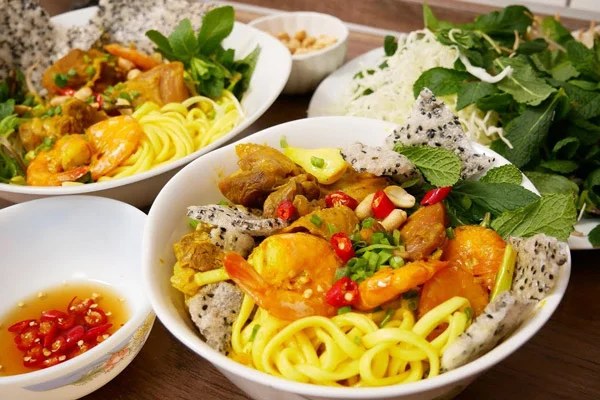
A bowl of cao lau can be a satisfying break between stretches of walking to explore Hoi An: brownish-yellow noodles, a few slices of char siu pork, fresh greens and a crispy piece of cracker, with just enough sauce underneath to toss. You don't need to look for the bowl with the most toppings or add lots of seasoning right away. Try the chewiness of the noodles, toss gently so the pork sauce coats evenly, then see whether you prefer a bite with meat, greens or a bit of crunch.
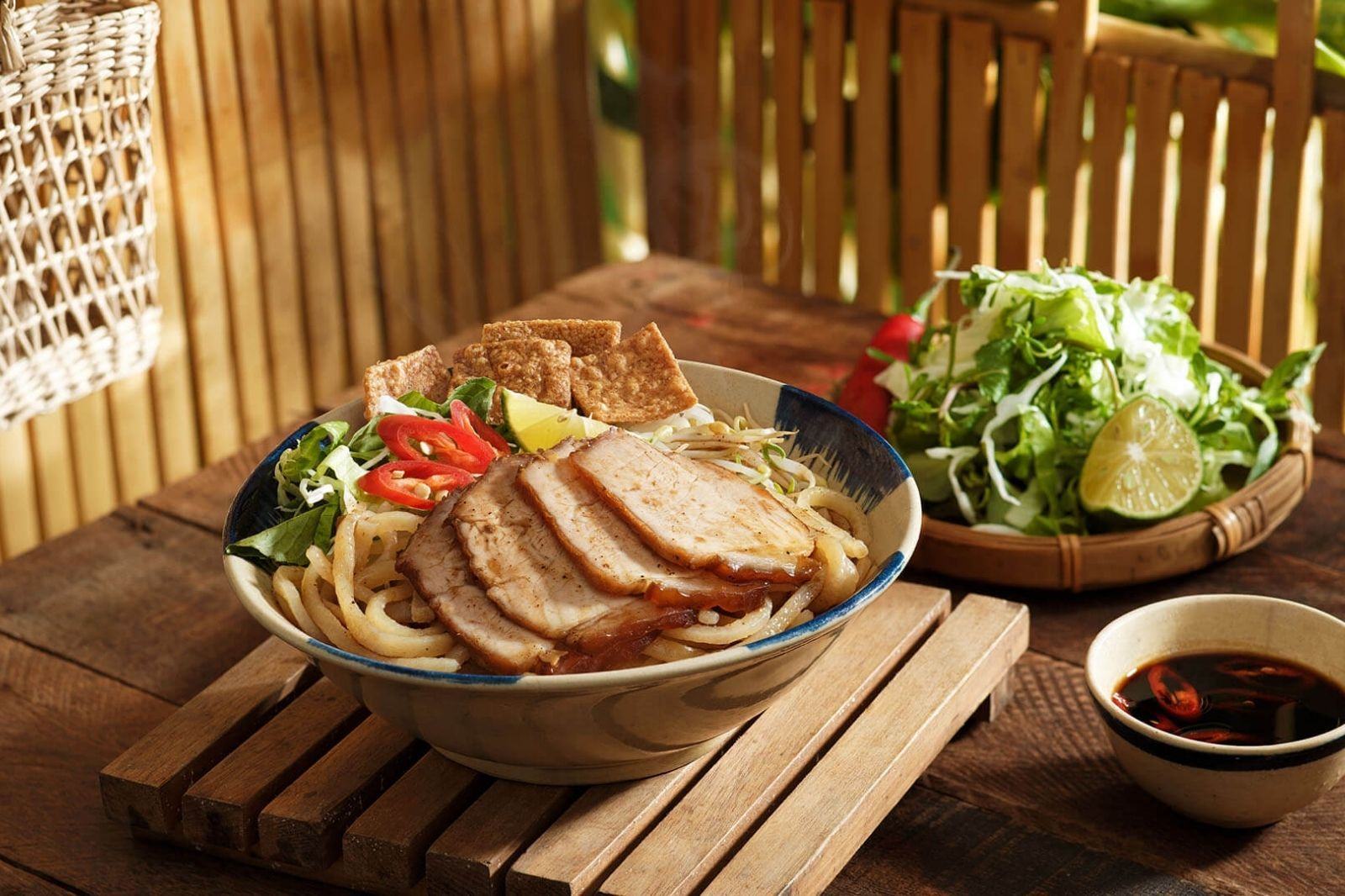
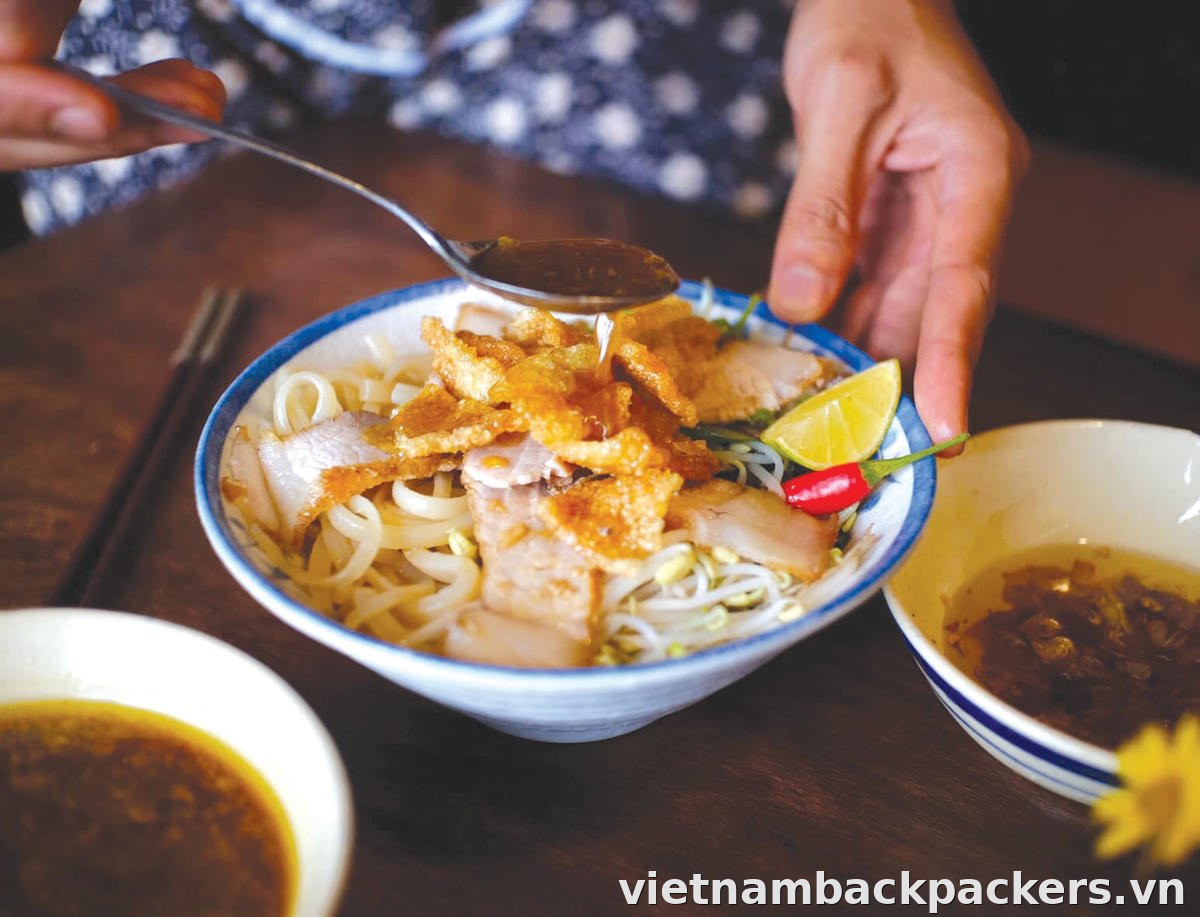 Cao lầu noodles: feel the chewiness before adding seasoning
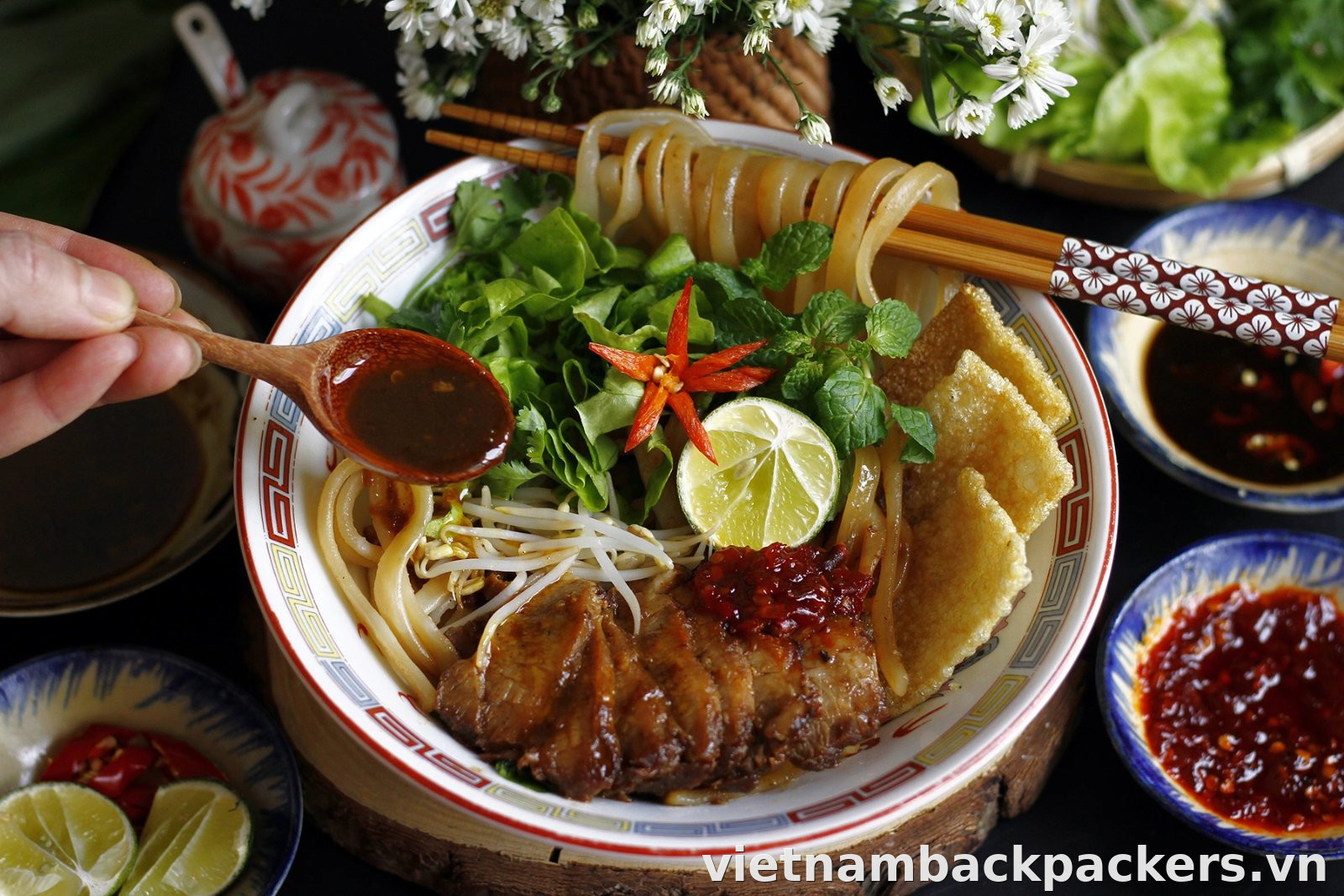 Thịt xíu and the sauce: toss gently from the bottom up
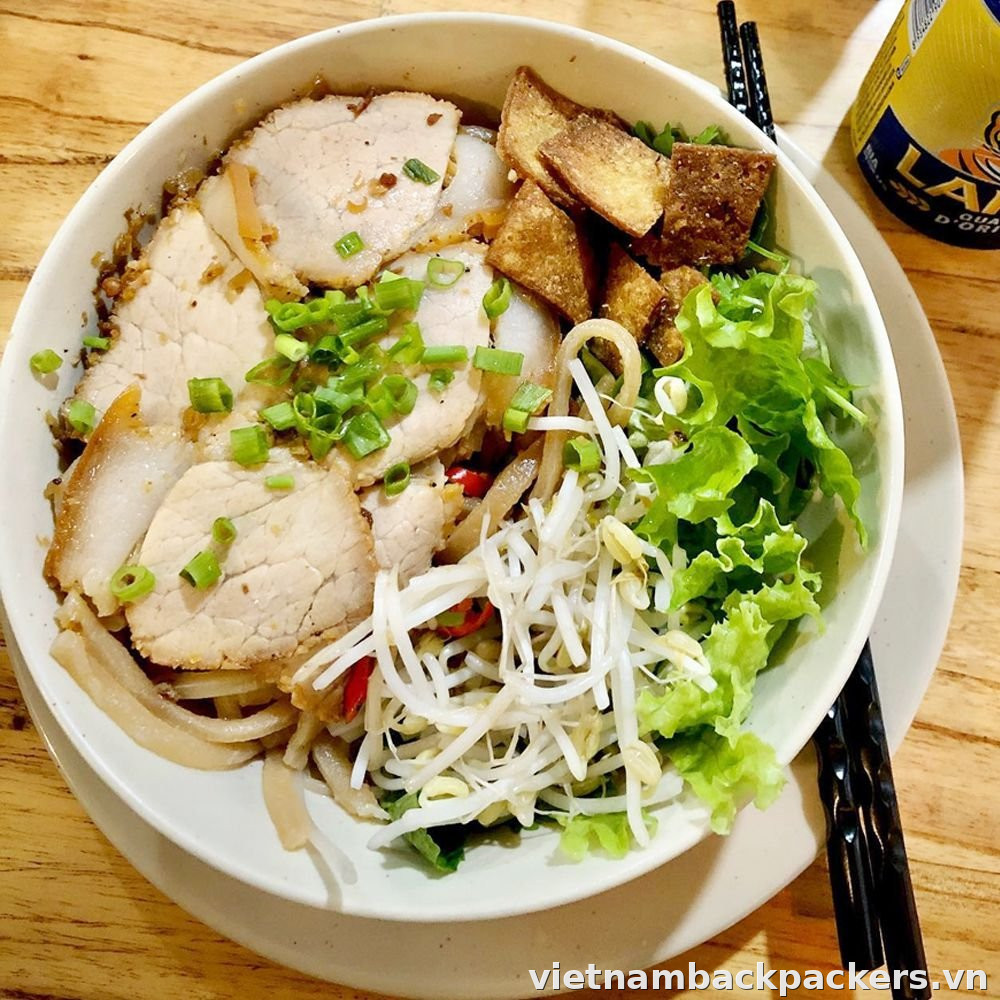 Herbs and bean sprouts: choose to taste, ask how they're cooked
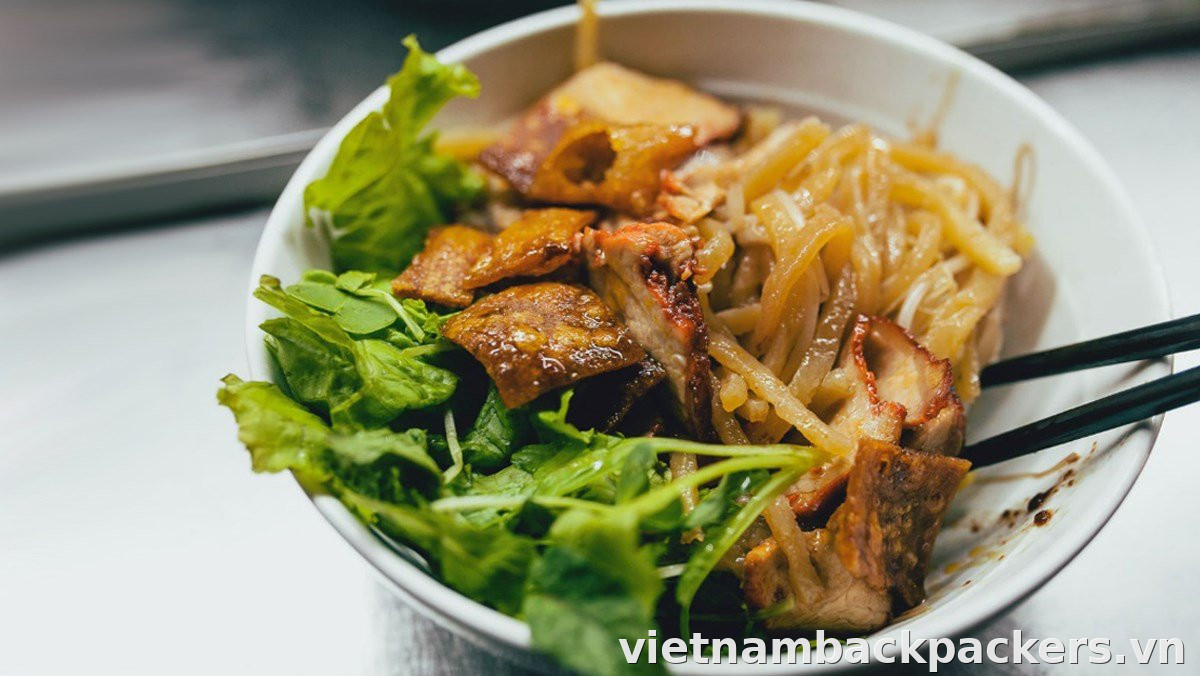 Crispy piece: set aside a little if you like it crunchy for longer
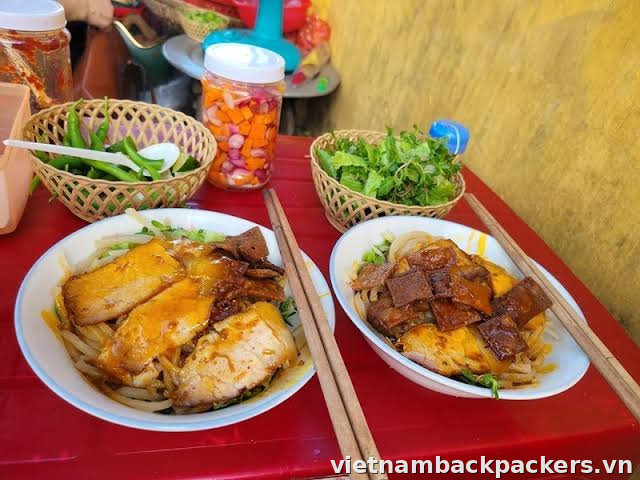 Sour, spicy and salty: add a little at a time after tasting

Cao lau is tied to Hoi An's cuisine, standing out for its noticeably chewy noodles and the way it's eaten with char siu pork, greens, bean sprouts, a crispy element and a richly flavoured sauce. The bowl isn't flooded with broth like many bun or pho dishes. The pork sauce at the bottom works to carry flavour into the noodles and other ingredients as you toss, rather than being a large bowl of broth to sip.
The appeal lies in the different textures in a single bite: noodles firmer than soft noodles, meat soaked in seasoning, greens giving a fresh feel and the crispy piece as an accent. If you only see the small amount of sauce and think the cook forgot the broth, you may miss the way the dish is meant to be enjoyed.
Each shop may use different cuts of meat, amounts of sauce, greens and crispy elements. The bowl in the photo is just one way of presenting it, not a required ingredient list everywhere. For your first try, choosing a standard portion and feeling it out yourself is easier than ordering lots of extras before you know your appetite.
Don't treat the meal as a test to find the "most authentic" shop. On a backpacking trip, a convenient spot along your route, with clear ingredients and a bowl to your taste, is enough to make a memorable stop. If you get the chance to return, you can try a different style to figure out what you like about cao lau.
Cao lau noodles: usually brownish-yellow, fairly thick and chewy and firm to the bite. In the traditional method, rice is treated with filtered lye water then goes through steps of making dough, forming noodles and steaming. This is part of the noodle-making technique, not ash sprinkled on the bowl when served; and you shouldn't assume every bowl has a distinct ash smell.
Stories about the water source or the type of wood used for the ash add to the curiosity around the dish. However, from the noodle colour and a single taste alone, you can't verify which water source a shop uses or how the whole process was carried out. If you want to learn more, asking the vendor about the noodles they use is more practical than taking a word-of-mouth claim as the only standard.
Char siu pork: usually pork seasoned, cooked and then sliced. Depending on the cut, the pieces have different ratios of lean meat, fat and tenderness. Don't assume char siu here must be bright red like another style of char siu you may have seen; the meat's colour doesn't tell the whole story of the seasoning or texture.
The sauce: the pork sauce brings a rich flavour into the bowl, which may carry notes of soy sauce and the meat's marinade seasonings. Some styles adjust it with broth, but the easily noticeable point when eating is still the fairly small amount of sauce. Try a strand of noodle that has soaked up the sauce before deciding to add soy sauce or salty seasoning.
Greens and bean sprouts give a cao lau bite more texture alongside the noodles and meat. Bean sprouts may be blanched, and herbs or leafy greens may be served in the bowl or on the side. The type of greens, the amount and how they're cooked vary by shop; if you like a certain one or can't eat one, say so when ordering.
The crispy piece may be made from cao lau noodle dough that's fried, or prepared another way. Some places call it tep mo, but the name alone isn't enough to tell whether it's pork skin, fried dough or something else. Ask about the actual ingredients if you need to avoid pork, wheat or a certain oil or fat.
If you like to keep the crunch, you can leave a few pieces on top and eat them in between, rather than soaking them all in the sauce for a long time. If you want the crispy piece to absorb more flavour, mix a little in with the noodles. Both ways are fine; there's no requirement to soften the cracker to eat it "correctly".
Greens make the meal feel more balanced but don't on their own reduce the oil, fat or salt already in the other parts. If you require food to be thoroughly cooked, ask whether the shop can cook the greens and bean sprouts separately. Tossing raw greens into a warm bowl doesn't mean they've been cooked, and adding lime or chilli doesn't replace ensuring hygiene.
Before ordering, see what a standard portion includes and how extras are charged. A bowl with lots of meat isn't necessarily the best choice if you still want to walk or try other dishes afterwards. Conversely, if you need a main meal, you can choose a suitable amount of noodles and meat rather than just ordering by the name "special".
An easy way to order is: "One bowl of cao lau, less noodles, crispy piece on the side." Then ask the price of what you've chosen and any extras. When in a group, each person can choose their own amount and way of eating; the whole group doesn't need to order the fullest bowl just to try it all.
If you want to eat vegetarian or avoid pork, don't just ask to leave out the meat slices. The pork sauce, broth, and cooking oil or fat also need to be suitable. Discussing all the ingredients from the start is clearer than changing the bowl after it's been tossed.
The sauce usually sits at the bottom, while the meat and crispy piece are on top. If you only eat the first layer of noodles without tossing, you may find the flavour uneven. Use chopsticks to lift a moderate amount of noodles, toss gently from the bottom up so the sauce coats the noodles, then combine with the greens and meat as you like.
A sour or spicy note can make the bowl more to your taste, but adding it too quickly can overpower the pork sauce and the seasoning aroma in the meat. If you don't eat spicy, you can still enjoy the dish by keeping the non-spicy portion the shop serves. If the sauce is already rich, you don't need to add soy sauce yet.
You also don't have to ask for the bowl flooded with broth to make it like a familiar soup dish. If you find the noodles hard to toss or want a lighter flavour, ask the vendor how they can adjust the sauce. Take bites of a comfortable size, chew slowly and give yourself a bit of a rest before heading off again.
Both can use a small amount of sauce and are eaten with greens and a crispy element, so at a glance they look similar. To tell them apart, pay attention to the noodles, the toppings and how the sauce combines with the bowl all at once, rather than relying on a single clue like yellow colour or the small amount of sauce.
Cao lau usually has brownish-yellow noodles with a firm chewiness, paired with sliced char siu pork and pork sauce. Mi Quang usually uses flat noodles, white or yellow depending on the method, with various toppings such as chicken, shrimp, pork or fish; grilled rice paper and peanuts also often appear. Each dish still has variations, so there's no need to turn these common features into absolute rules.
If the menu has both, ask the shop what the cao lau and mi Quang include that day. Choose cao lau when you want to explore noticeably chewy noodles with char siu pork; choose mi Quang based on the topping you want. There's no need to rank which is "better" to decide: two different meals can give you two different experiences.
Choose based on where you are, which way you're heading next and when a shop is actually open. A meal near your accommodation or convenient to your walking route is easier to arrange than a long detour just to find a much-mentioned address. Asking locals can help you start, but you should still check the menu, ingredients and prices yourself before sitting down.
With a motorbike and backpacking luggage, check for parking, access and a place to put your things. Observe whether food is covered, whether utensils and the serving area are tidy; a crowded shop doesn't automatically guarantee hygiene. Prices, opening hours and the ability to adjust portions should be confirmed at each shop, not fully relied on from information read long ago.
Avoiding pork or eating vegetarian: check the meat, pork sauce, broth and cooking oil or fat. Leaving out the meat slices doesn't turn a bowl that has used meat sauce into a vegetarian bowl. If there's a vegetarian version, ask about its seasoning and separate preparation too.
Allergies to soy, wheat or other ingredients: soy sauce may contain soy and wheat, while the seasoning blends, the crispy piece and the noodles need to be checked against the actual recipe. Don't assume it's safe just because traditional noodles are made from rice. When you need to avoid something strictly, also ask about shared utensils and cross-contact; if the shop can't confirm, choose a more suitable option.
If you want a less fatty or less rich portion, you can ask for less fried food and less added sauce, but the meat and pork sauce may already be seasoned beforehand. Noting the location and how you ordered the bowl you liked is more useful for next time than trying to remember a title or a portion name that each shop uses differently.
No. The bowl usually has a fairly small amount of pork sauce at the bottom, used to toss so the noodles and toppings absorb the flavour. There's no need to flood it like bun or pho; the exact amount of sauce may vary by shop.
Not entirely. Cao lầu usually has brownish-yellow noodles that are quite thick and firmly chewy; mì Quảng usually has flat white or yellow noodles. Also look at the sliced pork, the sauce and the accompanying ingredients, since noodle colour alone isn't enough to distinguish every variation.
No. The crispy part may be made from cao lầu noodle dough or other ingredients depending on the place. The name "tép mỡ" doesn't precisely identify the ingredient; you should ask the eatery if you avoid pork or have allergies.
Not necessarily. The pork sauce, broth or cooking fat may be made from meat and other animal ingredients. For vegetarian eating you need a version where the sauce, seasonings and preparation are all suitable, not just the removal of the visible meat.
Not required. Toss gently so the sauce coats evenly, then taste first; add only a little at a time to suit your taste. The bowl may already be flavourful enough, and those who don't eat spicy food need not use chilli to enjoy the dish.
Toss gently so the pork sauce clings to the noodles, keep a little of the crispy chips on the outside and eat them alternately. The pork flavour, the aroma of the herbs and the chewiness of the noodles stand out more before you add much seasoning. If you want to try mì Quảng too, save it for another meal to compare the two dishes more easily.
Please follow the community guidelines when sharing your opinion
No comments yet. Be the first to share.
Serious or repeated violations may result in a temporary or permanent account suspension.
Let the editors know what is wrong with this comment. Your name is not shown to anyone.
Ask me about your travel itinerary!
 Travel assistant
 Bé Bụi