
Essential Personal First Aid Kit for Long-Distance Road Trips
PrintWhen riding motorbikes across remote mountain passes, packing a well-prepared first aid kit helps you proactively protect yourself and your companions. Properly managing scrapes, cuts, or sudden fevers keeps the journey safe. Mastering basic first aid skills also prevents regrettable mistakes in isolated areas.
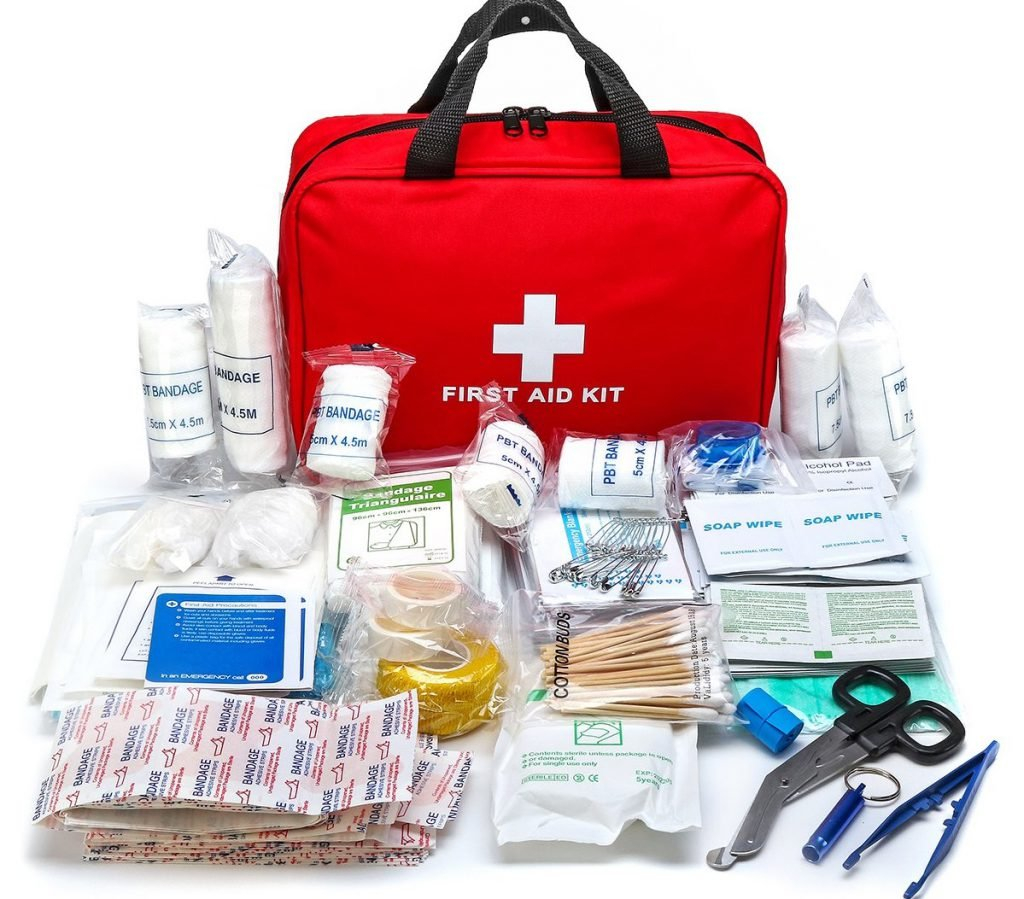
- Pack sterile gauze, clean cloth bandages, and medical gloves into your first aid kit
- Check cold and fever medicine ingredients to prevent Paracetamol overdose
- Update information on the VNeID app to access the Electronic Health Record
- Note the locations of commune medical stations along the planned route
- Practice reading kilometer stones, road signs, or bridge names along the road
- Waterproof pouches or dedicated zip bags for storing medications
- Adhesive bandages and antiseptic solution
- Disposable medical gloves
- Sterile gauze pads and clean cloth roller bandages
- Pain relievers, fever reducers, motion sickness remedies, GI meds, and antihistamines
Practices to Avoid in Self-Treatment
Motorbike road trippers often follow makeshift habits that can easily worsen injuries. Cleaning an open wound with hydrogen peroxide destroys granulating tissue cells and delays skin healing. Never apply povidone-iodine or rubbing alcohol directly onto broken skin, as it can kill healthy tissue, cause severe burning pain, and trigger shock.
NoteAvoid applying alcohol or hydrogen peroxide directly onto open wounds, as harsh chemicals destroy healthy tissue cells.
The folk remedy of tilting the head back during a nosebleed is another dangerous mistake. Doing so causes blood to flow down the throat, risking airway obstruction or entering the stomach to trigger nausea. The correct posture is to sit upright, tilt your head slightly forward, and pinch both nostrils firmly with your fingers.
Common Risks and Warning Signs
Winding mountain passes always carry the risk of motorbike crashes or sudden skidding. If a companion is suspected of having a spinal injury, especially to the cervical spine, do not move the victim arbitrarily. Unless the scene poses an immediate threat such as electrical hazards or fire and explosion, moving the victim improperly can easily cause paralysis.
When approaching an accident victim, the first step is to assess consciousness. If the injured person does not react to a gentle skin pinch, they have likely fallen into a coma. At this point, the most urgent priority is calling professional emergency medical services immediately rather than attempting treatment on your own.
Additionally, critical situations that require immediately stopping the trip and heading to the nearest clinic include: open wounds longer than 3cm or deep and bleeding uncontrollably; a continuous high fever exceeding 39°C that does not break; or signs of vomiting and dizziness following hard impacts.
Essential Medical Supplies List
A road tripper's gear must remain compact yet cover all essentials for on-site care.
Open Wound Management Supplies
In the most accessible small daypack while riding, keep adhesive bandages and antiseptic ready to quickly treat minor cuts or emergency scrapes. Every rider's minimum first aid kit should include disposable medical gloves to isolate blood and bodily fluids. Clean cloth bandages and sterile gauze pads serve to control bleeding and protect lacerations from dirt and gravel. If blood soaks through the initial wrapping, never remove it; instead, place an additional layer of clean dressing right on top.
When handling open wounds, the standard medical first aid procedure involves four basic steps:
- Step 1: Wash hands thoroughly and put on medical gloves before starting.
- Step 2: Wash away dirt and grit using normal saline or a non-stinging antiseptic solution.
- Step 3: Use sterile gauze to apply gentle direct pressure over the wound to control bleeding.
- Step 4: Cover the entire wound with clean gauze and secure it firmly with a cloth roller bandage.
Essential Medications List
Basic medications to carry on the road include:
- Pain relievers and fever reducers containing Paracetamol (such as Efferalgan, Panadol, Tylenol) to manage headaches, joint pain, or fever. Overusing this drug beyond recommended limits causes severe toxicity to the liver and kidneys. Many standard cold medicines also contain Acetaminophen, so riders must carefully check ingredient lists before taking tablets to avoid an overdose.
- Motion sickness medications (such as Dimenhydrinate, Nautamin, Vomina), which should ideally be taken 30 minutes to 1 hour before departure for optimal effect.
- Gastrointestinal medications: anti-diarrheal remedies (such as Loperamide, Smecta, or Berberin) and oral rehydration salts (Oresol or Hydrite) to counter dehydration caused by stomach upsets along the way.
- Antihistamines (such as Loratadine, Cetirizine) to combat weather allergies, soothe insect bites, or treat food allergies when encountering new environments.
- Personal maintenance medications: Those with underlying conditions such as hypertension, diabetes, or asthma must pack an ample supply of their prescribed treatments.
If you are uncertain about the specific dosage of any medication, always consult a physician's advice or read the included medication leaflet thoroughly.
Storing Medical Supplies
All medications and medical gear should be sealed in waterproof pouches or dedicated zip-lock bags to prevent moisture damage when traveling in rain or dense mist. Avoid stowing first aid kits inside the motorbike under-seat trunk or exposing them to high temperatures, as engine heat and intense sunlight can degrade or spoil medications.
Emergency Contact and Rescue
When riding through desolate mountainous areas, knowing how to send clear rescue signals determines how quickly assistance arrives.
When calling for roadside assistance or medical rescue, provide your precise location using physical terrain landmarks. State the national highway name, kilometer milestone numbers, road signs, or nearby points of interest like petrol stations, bridges, intersections, and tunnels. Indicating your travel direction also helps search and rescue teams reach you faster.
TipMemorize or photograph the nearest kilometer marker and bridge to report accurate coordinates to rescue teams when disoriented.
You can look up personal health histories and connect with medical services via the Electronic Health Record feature on the VNeID app. This app links with healthcare facilities nationwide. In addition, several localities have piloted the Digital Citizen Station model, which features an SOS button for emergency calls to commune police and lookups for nearby medical stations.
Respecting Local Communities
Highland villagers are welcoming if you approach them with sincerity and respect. When seeking health-related assistance from locals, maintain a humble, polite, and honest attitude. Greeting them courteously, introducing yourself briefly, and calmly explaining your difficulty will build trust quickly.
Riders should learn about and respect the conventions and customs of the villages where they stop. Avoid condescending attitudes or expecting urban-style commercial service. When receiving care from local residents, express sincere thanks and show appreciation thoughtfully.
Upon arriving in remote areas, take the initiative to ask residents or local authorities about the location of the nearest health clinic. Knowing the route to a medical post in advance helps the entire group respond proactively to any mishaps on mountain passes.
Pre-Trip Checklist
- Pack ample sterile gauze pads, clean cloth bandages, and several pairs of disposable medical gloves into the first aid kit.
- Check Paracetamol dosage guidelines carefully and review cold medicine ingredients to avoid accidental overdose.
- Keep personal details updated on the VNeID app to access the Electronic Health Record during emergencies.
- Identify and note down the names of commune health clinics along your planned travel route.
- Learn how to read kilometer markers, roadside signs, and bridge names along your motorbike journey.
Frequently Asked Questions
Why shouldn't hydrogen peroxide or povidone-iodine be used to clean open wounds after a motorbike crash?
Hydrogen peroxide destroys granulating tissue cells, significantly delaying skin healing, while applying alcohol or iodine solution directly can burn healthy tissue, causing excruciating pain and shock.
How should a nosebleed be treated while on a motorbike trip?
Do not tilt your head backward, as blood can easily run down the airway causing choking or irritating the stomach. Sit upright, lean slightly forward, and pinch both nostrils firmly with your fingers.
What first aid is required if a cervical spine injury is suspected after an accident?
Never move the victim unless the scene presents direct hazards like fire, explosion, or electrical danger, as moving them incorrectly can damage the spinal cord and result in permanent paralysis.
If blood soaks through the initial first aid gauze dressing, should it be removed and replaced?
Do not remove the initial dressing; instead, place an additional clean cloth layer or new sterile gauze pad directly over it and secure it with a wrap.
What details should be provided when calling for rescue in remote areas?
Clearly provide the route name, vehicle travel direction, and surrounding landmarks such as kilometer marker numbers, road signs, intersections, petrol stations, bridges, or tunnels.
Sources: OpenStreetMap (ODbL), Wikipedia/Wikivoyage (CC BY-SA), Google Maps.
Members who reacted
Comments
Please follow the community guidelines when sharing your opinion
No comments yet. Be the first to share.
Comment guidelines | VietnamBackpackers
Comment guidelines
01 · Names and profile pictures
- Do not use offensive, confusing or promotional names or profile pictures.
- Registered names must not exceed 30 characters or contain links, phone numbers or email addresses.
02 · How to communicate
- Follow Vietnamese law and the community's standards of conduct.
- Do not use profanity, insults, derogatory language, defamation or personal attacks.
- Do not write entire comments in capitals. Base discussions on facts and respect differences.
03 · Information and content
- Do not post personal contact details, advertising links or commercial websites.
- Do not spam, copy content from other sources or spread misinformation.
- You are responsible for the content of your comments.
Serious or repeated violations may result in a temporary or permanent account suspension.
People who liked this
Report comment
Let the editors know what is wrong with this comment. Your name is not shown to anyone.
 Bé Bụi