Southwestern lẩu mắm: picking vegetables, ordering a pot, and enjoying it on a road trip
04-10-2026 22:51:07
MEMBER SUPPORT 0367 494 919 Send feedback by email
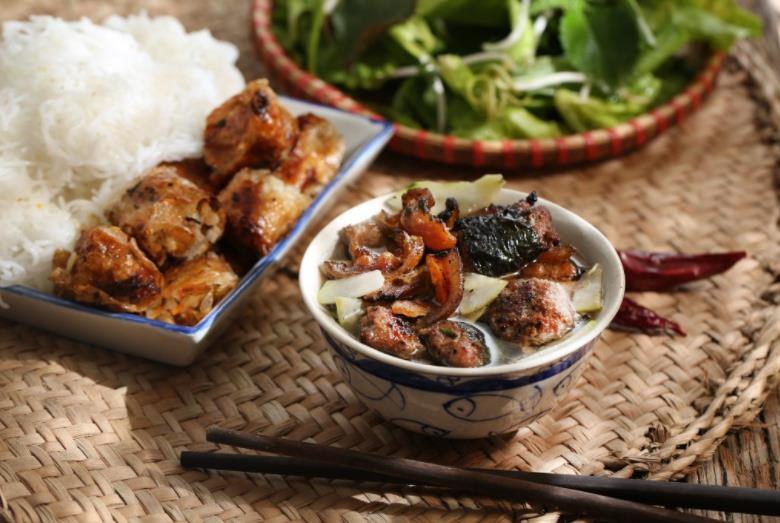
After a walk or a ride around Hà Nội, bún chả is a good choice to sit down and eat at a leisurely pace. The noodles, herbs, grilled pork and dipping sauce are laid out in separate portions, letting you combine each bite yourself. You don't need to know in advance which shop ranks highest: just understand the kind of chả you like, taste the sauce and find a portion that suits your taste for the stop.
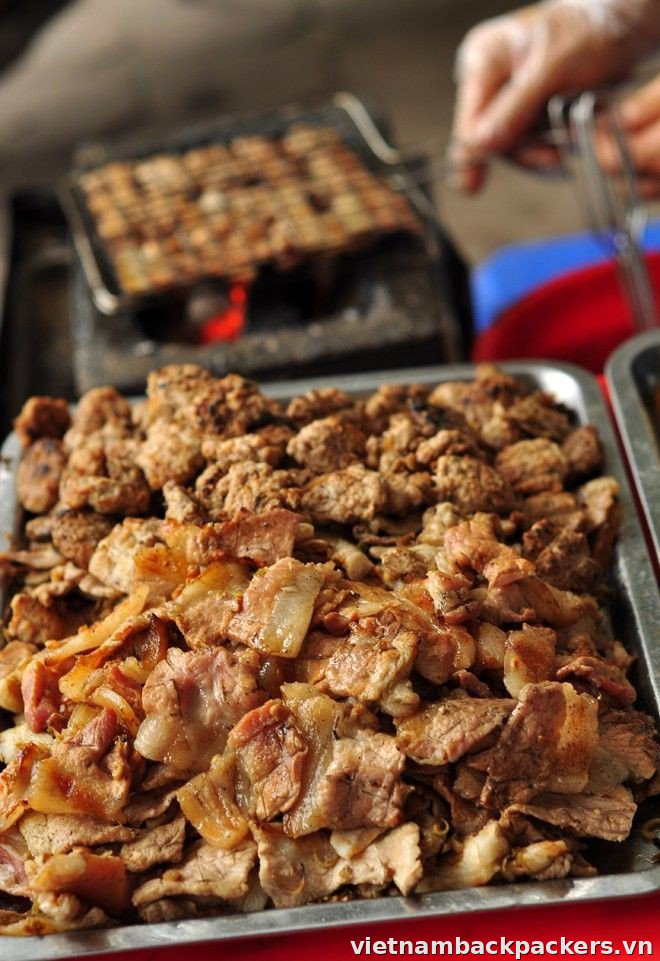 Chả miếng: grilled slices of meat with grain
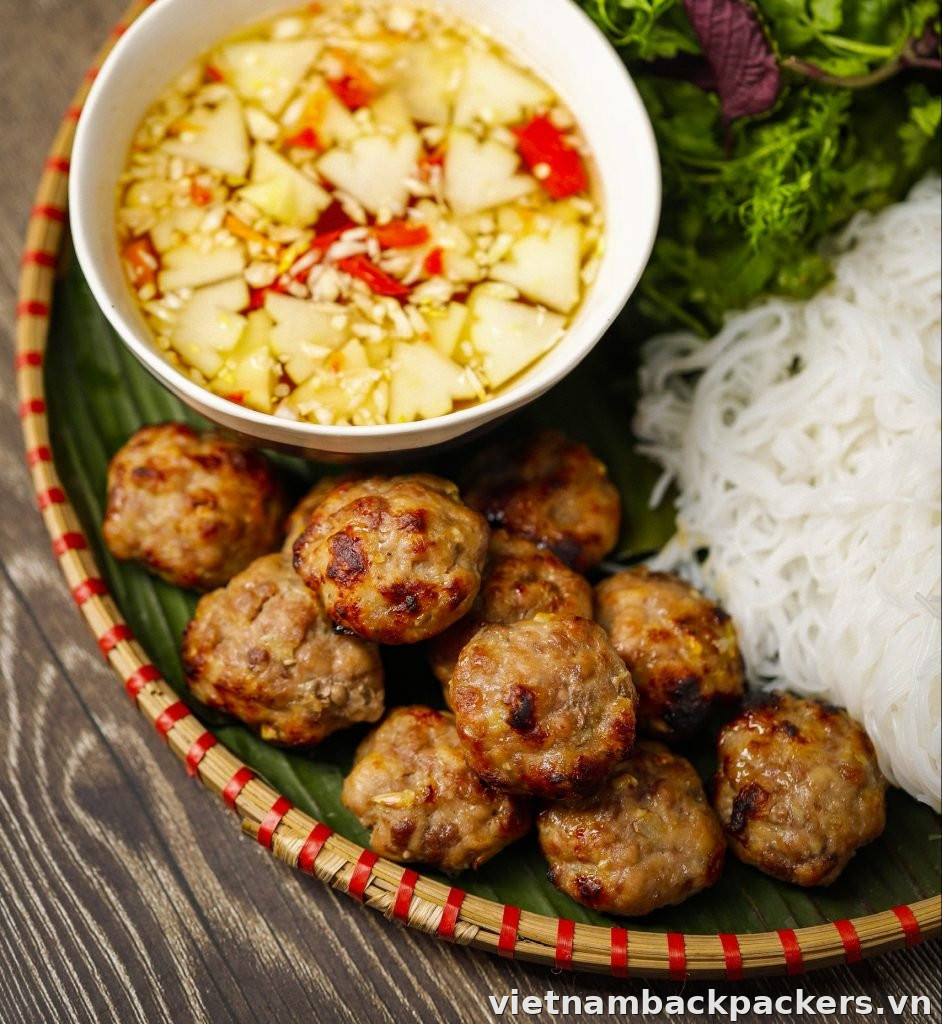 Chả viên: minced meat shaped and grilled
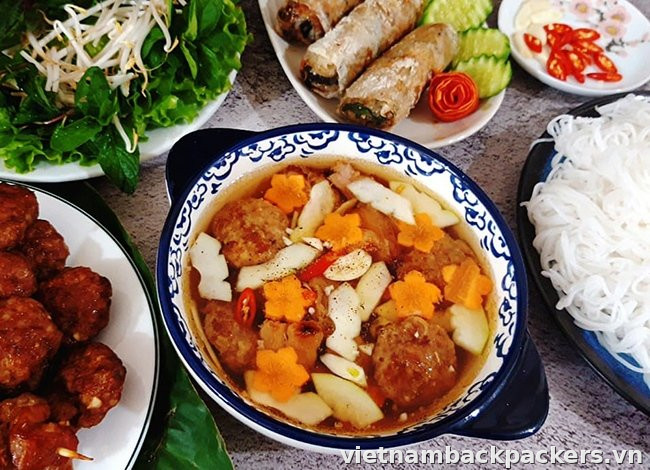 Dipping sauce: taste first, add seasoning after
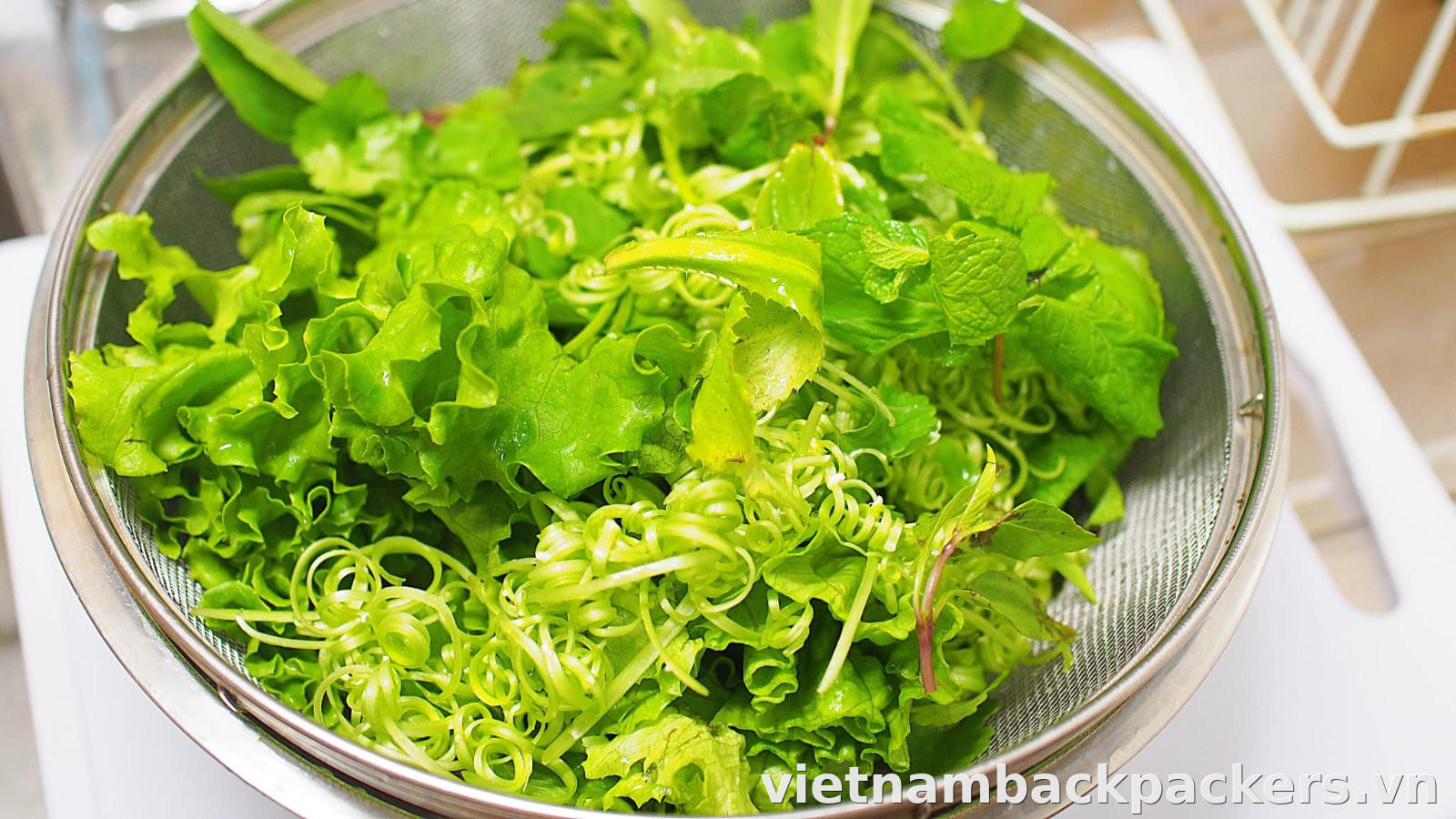 Noodles and herbs: eat in small amounts to taste
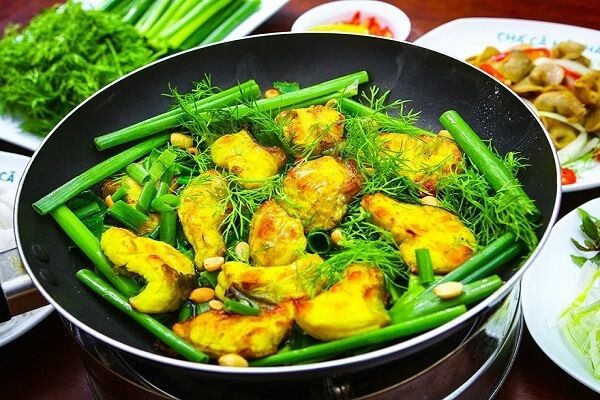
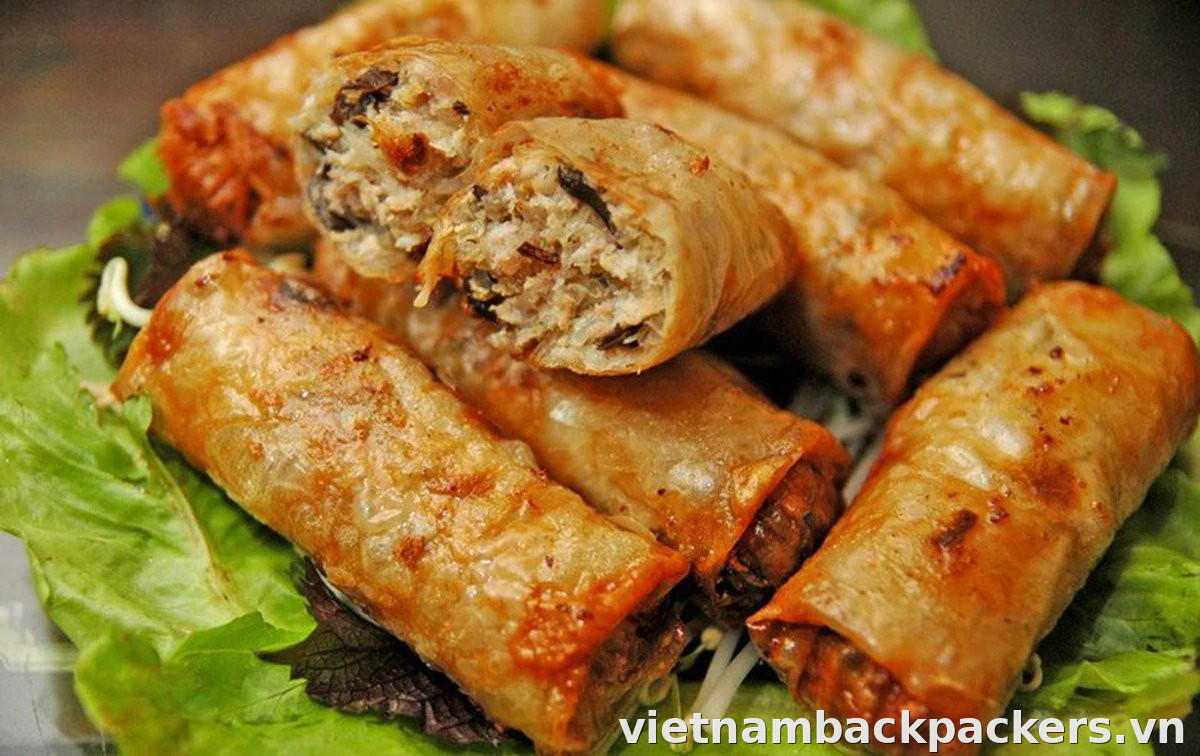 Nem rán: an extra dish, ask about price and ingredients
Understanding how chả miếng differs from chả viên, what role the dipping sauce plays and what comes in a portion will make it easier to enjoy. This is also a way to discover Hà Nội through a meal, without necessarily starting at the most famous shop.

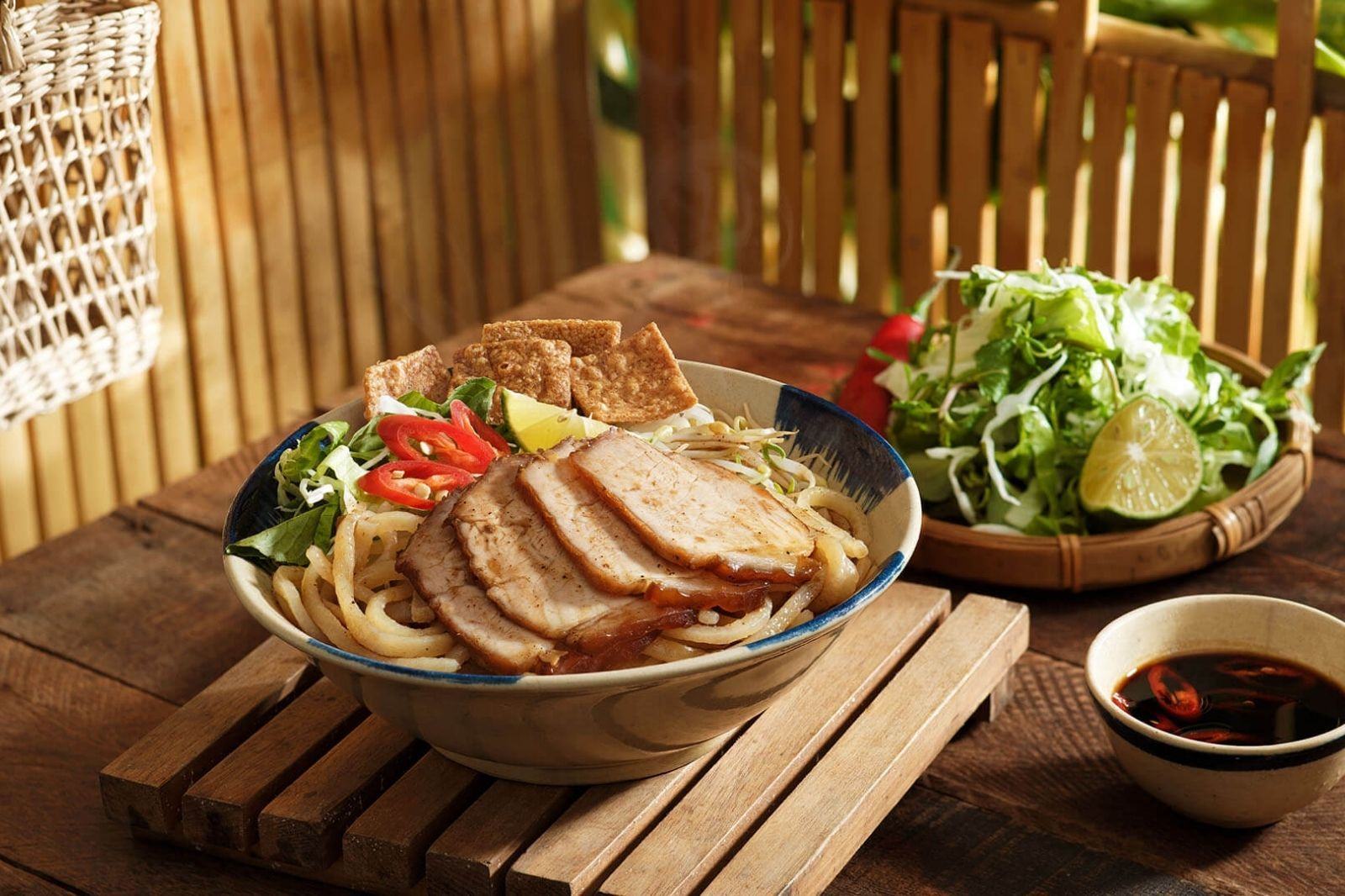
The familiar components are rice noodles, grilled pork, fresh herbs and a mixed dipping sauce. The meat may include chả miếng, chả viên or both; the bowl of dipping sauce usually also has pickled vegetables. The seller may place the chả in the dipping sauce or serve it separately, depending on the shop's style.
Each part plays a role: the meat provides the grilled aroma and rich flavour; the noodles make each bite soft and less heavy; the herbs add fragrance and texture; the dipping sauce ties them together with salty, sweet and sour notes. As you eat, you adjust the ratio of noodles, meat and herbs, so two people sharing one portion can still prefer two different combinations.
The strength of the dipping sauce, the fat ratio in the meat and the grilling method are easy to notice between shops. There's no need to turn one meal into scoring every component: first, just see whether the meat, dipping sauce and amount of herbs suit your taste.
Chả miếng is made from slices of marinated pork that are grilled, usually with lean meat interspersed with fat. The slices give a clear bite with distinct grain, with grilled edges and a richness that varies with the cut chosen.
If you don't like fat, say so before ordering; the seller may suggest a suitable cut if available. However, not every shop has a fully lean option. Removing all the fat will also make the experience different from the kind of chả the shop usually prepares.
Chả viên uses minced pork mixed with seasoning and shaped before grilling. You feel a solid patty of meat rather than the grain of a slice. Its softness, firmness and degree of grilling depend on the recipe, so the patties at two shops can be quite different.
If you're trying it for the first time, a portion with both chả miếng and chả viên will help you figure out which texture you prefer. Next time, you can ask the shop for extra of your favourite. Don't assume every portion splits the two types in the same ratio; reading the menu or asking directly will make it clearer.
The dipping sauce for bún chả usually has a fish sauce base mixed with ingredients that add sour and sweet notes plus water, with pickled vegetables depending on the shop. This is a mixed dipping sauce to eat with the noodles and meat, and should not be assumed to be the broth of a noodle soup dish.
When the chả is placed into the bowl, the aroma and flavour from the meat change the sauce further. The pickled vegetables add a crisp feel and help balance the grilled meat. The levels of sour, sweet and salty are not fixed; even the serving temperature can vary by shop and season.
Taste a little before adding garlic, chilli or lime if the shop provides them. Some bowls are already sour enough, while others suit you better with a bit of heat. Adjusting a little at a time helps avoid one seasoning overpowering the flavour of the grilled meat.
If you need to limit fish sauce or avoid fish due to an allergy, ask clearly about the ingredients. A clear dipping sauce with no visible pieces of fish can still contain fish sauce. Don't just check the chả and overlook the thing you're using to dip every bite.
A simple way to start is to take a small amount of noodles, add a few herb leaves, dip them or put them into the bowl of dipping sauce and eat them with the chả. An amount of one or two bites keeps the noodles from soaking too long and lets you adjust the flavour easily.
You can alternate: a bite of noodles with a chả viên, a bite of chả miếng with herbs, then try a bit of pickled vegetable. There's no need to cram all the components into one pinch. If the dipping bowl is small or awkward, ask for a separate small bowl or plate rather than trying to mix the whole plate of noodles in.
Some people like to add the noodles to the bowl bit by bit; others dip each bite and keep the noodles separate. Eating in small portions is usually easier to handle, but there's no reason to treat one way as mandatory for all diners.
Fresh herbs are an optional accompaniment, not something you must force yourself to eat if you're not comfortable. If you have health or hygiene requirements, ask whether the shop can serve herbs that have been suitably treated. Dipping herbs into the sauce is not a way to cook or sterilise them.
Both bún chả and bún thịt nướng can combine noodles, grilled meat, herbs and dipping sauce. In the familiar bún chả Hà Nội style of serving, the noodles and herbs are usually kept separate and the chả comes with a bowl of dipping sauce for you to eat each part yourself. In many places bún thịt nướng is served in a bowl with the accompaniments and fish sauce to mix together.
This is a difference that's easy to recognise in practice, not an absolute line between all shops. If a menu uses a name that leaves you unsure, looking at how it's served or asking what's in the portion is more useful than arguing over dish names.
Nem rán is a separate dish, usually orderable as an extra when eating bún chả. The crispy fried wrapper gives a texture different from the grilled chả. A bún chả portion doesn't automatically include nem; the filling and type of nem also vary by shop. If you're allergic to seafood, don't assume nem contains only pork.
Bún chả is tied to the lunchtime rhythm in Hà Nội: this is a reasonable time to think of the dish after a walk or sightseeing. However, some shops are open in the morning, afternoon or evening. You shouldn't impose a single serving time on every bún chả shop.
If you choose a specific shop, check for up-to-date information, especially when arriving late or when the distance is quite far. The hours posted on maps may not reflect closing days or selling out early, so contact the shop when your plan depends heavily on that meal.
Bún chả is associated with Hà Nội, but it can still be found in other cities. Eating it in Hà Nội lets you experience the dish in its familiar setting; this doesn't mean every portion outside Hà Nội isn't worth trying.
Before ordering, ask what's in the portion: whether it has both types of chả, whether nem is charged separately or included, and how extra noodles and extra meat are charged. A "full" or "special" portion can differ between shops, so don't assume based on a previous meal.
If you're in a group, each person can order a basic portion and add shared dishes as needed. This helps avoid ordering too much nem or meat before you know how much comes in a portion. You can also say "less fat", "no chilli" or "garlic and chilli on the side" if the shop can accommodate.
Observe the grilling and serving area: whether raw and cooked food is kept properly separate; whether the utensils are clean; how the meat is cooked and the food is stored. An appealing smoky smell doesn't by itself prove a shop is hygienic, and a seared exterior doesn't guarantee the inside is cooked through.
You don't need to follow a ranking to have a good meal. A shop that suits your taste, is conveniently located, has clear information and handling that puts you at ease can be a more practical choice than travelling far just for a title.
Traditional bún chả contains pork. If you don't eat pork or are vegetarian, the usual dish isn't made suitable just by reducing the chả: the dipping sauce, the accompaniments and the preparation utensils also need to be checked. Look for a clearly confirmed option rather than requesting a change the shop can't make.
With a fish allergy, pay attention to the fish sauce in the dipping sauce and the seasonings. If you order extra nem, ask about the filling ingredients. Requests to avoid an ingredient due to an allergy need to be stated clearly as a safety matter, not just a preference.
Choose a shop with clean utensils, that separates raw meat from grilled meat and stores ingredients properly. Pay attention to the herbs, noodles and chả alike; a fragrant grilled aroma or a seared surface is no substitute for being fully cooked and cleanly handled. A reassuring meal lets you feel more comfortable when there's still a whole journey ahead.
Many shops combine both, but the components and ratio depend on the shop. Ask in advance if you want only one type or want to try both kinds.
No. Eating in small amounts is usually easier to handle and adjust. You can dip each part or add a little noodles into the bowl as you prefer.
There's no general rule. Some places sell a portion with it included, others charge separately; checking the menu before ordering is the clearest way.
No. Those stories can spark curiosity, but they don't replace taste, hygiene, waiting time and a location that suits your trip.
Chả miếng gives a clear sense of the meat's grain, while chả viên has its own softness and firmness. If you've found a style that suits you, next time just order with a lean towards that part. For groups, nem rán can be ordered as an extra after knowing how much comes in a portion, so lunch is just enough without rushing.
Please follow the community guidelines when sharing your opinion
No comments yet. Be the first to share.
Serious or repeated violations may result in a temporary or permanent account suspension.
Let the editors know what is wrong with this comment. Your name is not shown to anyone.
Not sure where to stop? Tell me your trip idea.
 Travel assistant
 Bé Bụi