Southwestern lẩu mắm: picking vegetables, ordering a pot, and enjoying it on a road trip
04-10-2026 22:51:07
MEMBER SUPPORT 0367 494 919 Send feedback by email
Stopping in Huế during a road trip, you don't necessarily need a ready list of the busiest restaurants. A leisurely morning, parking your bike neatly by the road and then sitting down before a hot bowl of noodles is also a way to start exploring the city. Bún bò Huế has the scent of lemongrass, the rich taste of shrimp paste, round noodles and meat that changes from one eatery to another. Knowing how to order, tasting the broth before adding chili and choosing a portion that suits your appetite will make the meal more pleasant, especially when there's still a long road ahead.
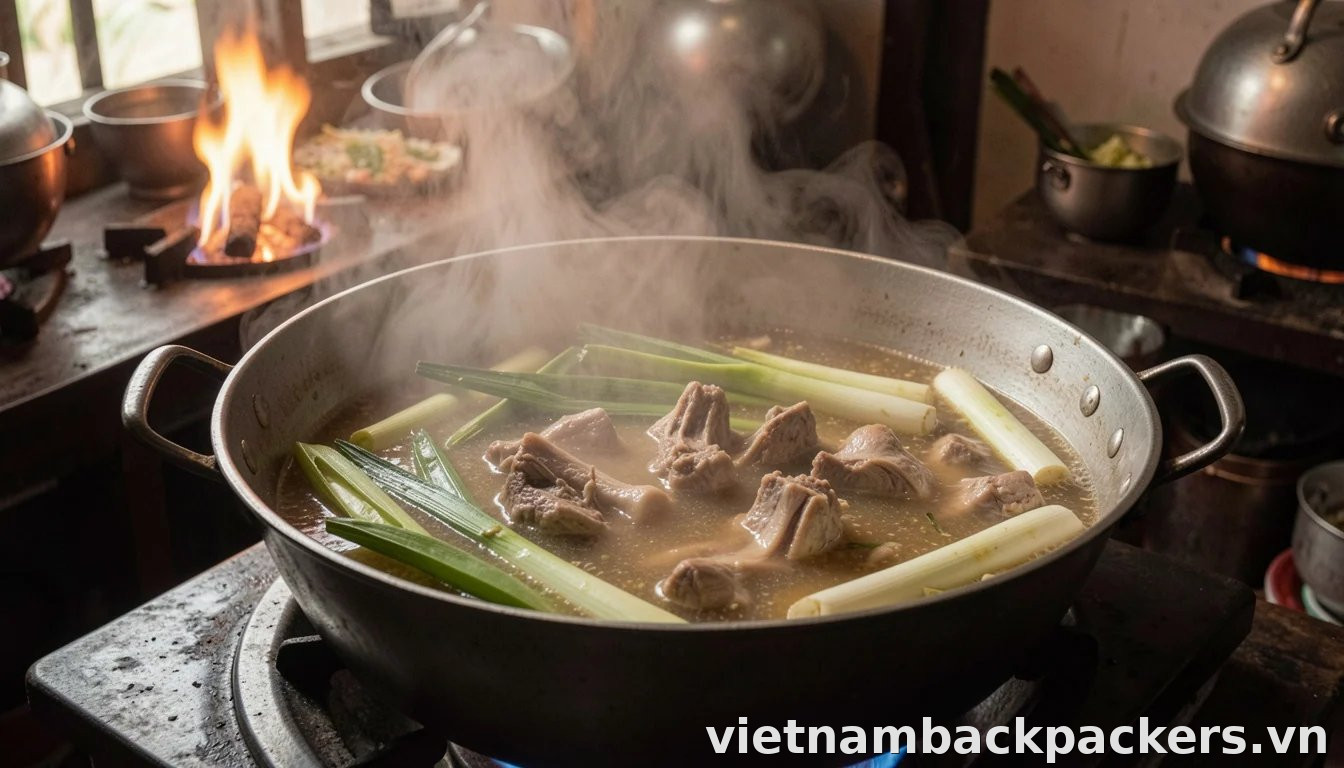 Broth: notice the lemongrass aroma and the mắm ruốc flavour before adding seasonings
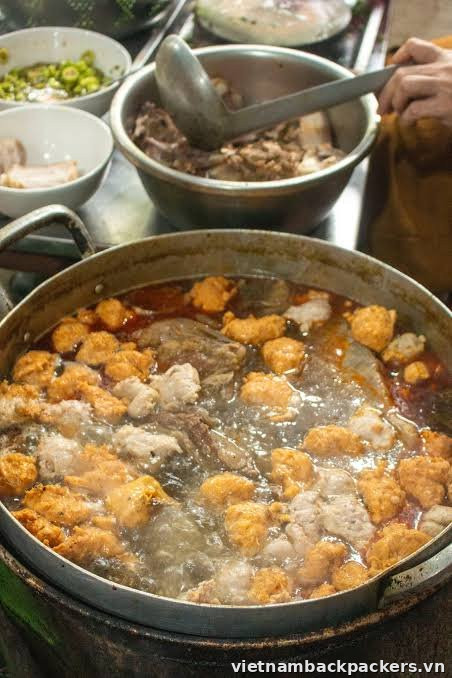 Beef cuts: ask for bắp, nạm or gân according to the texture you prefer
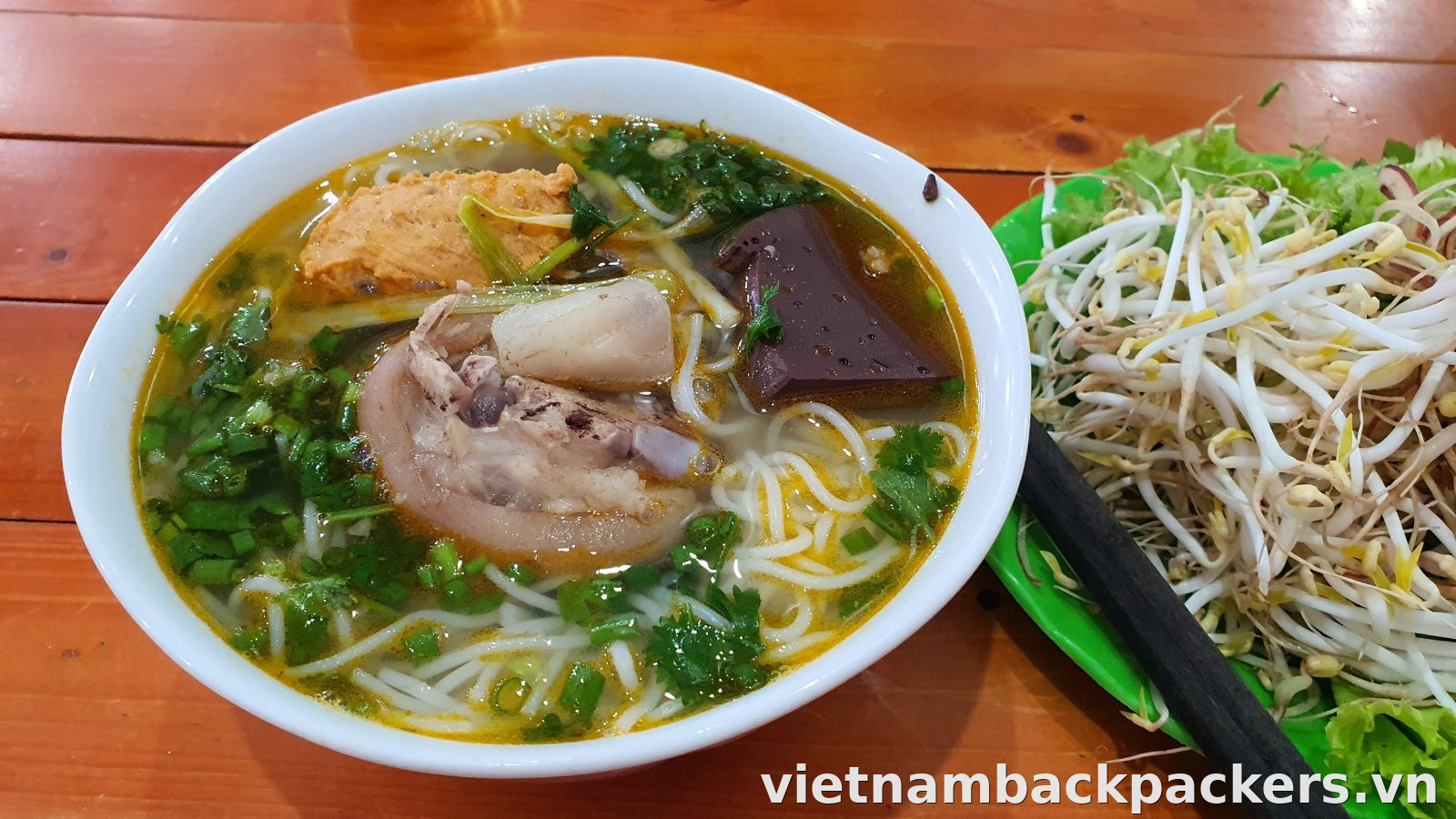 Giò, chả, huyết: choose what fills you, no need to order everything
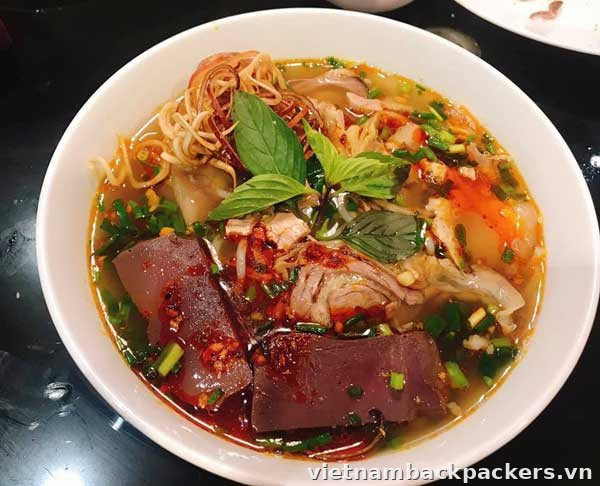 Spice level: ask whether the broth is already spicy, request chilli on the side
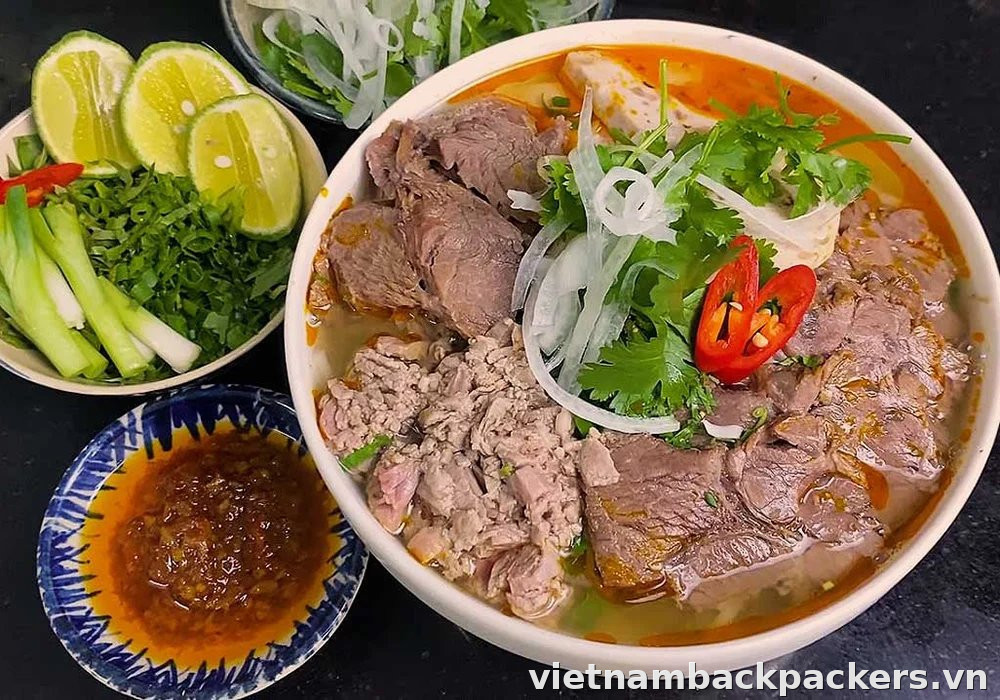 Herbs and lime: add a little at a time, then taste again

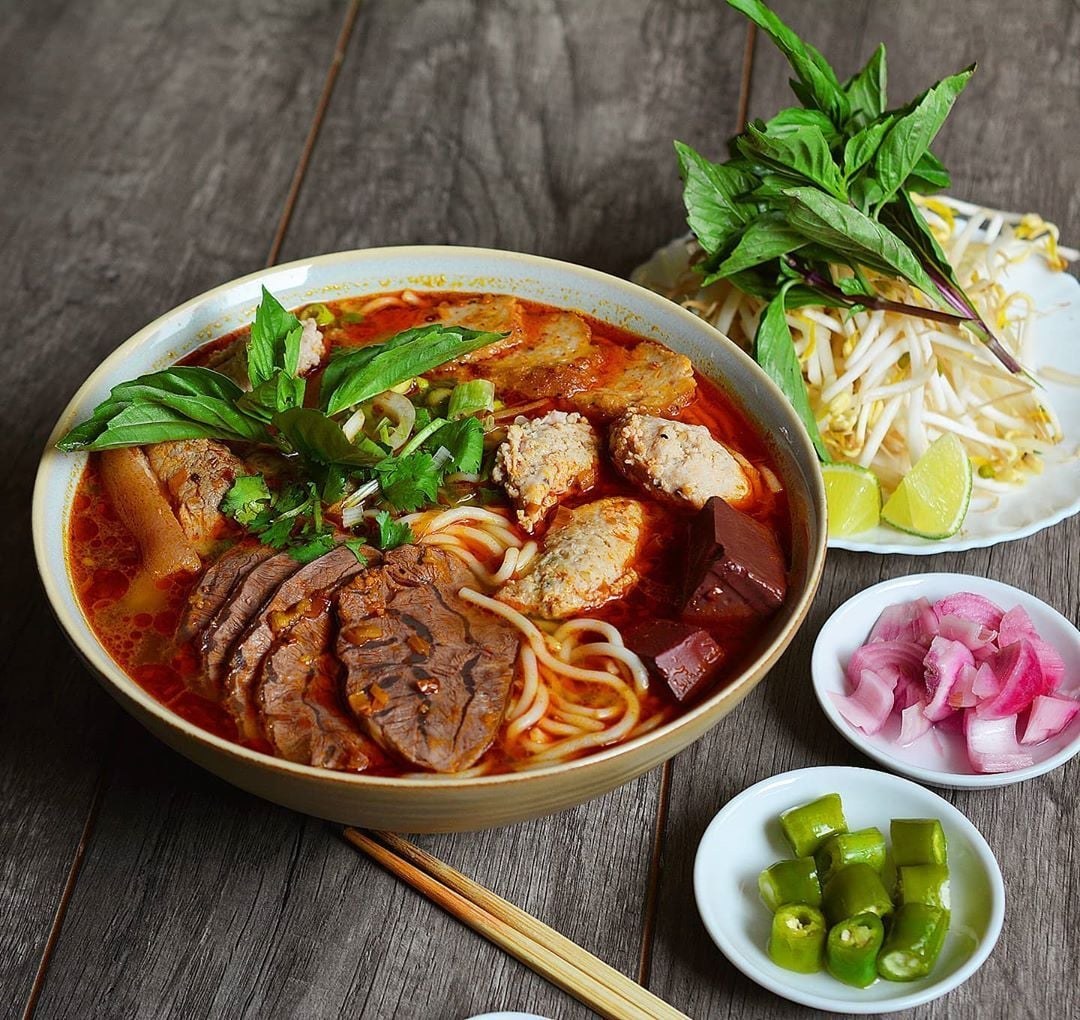
What you notice easily about bún bò Huế isn't just the layer of red oil on the surface of the bowl. The scent of lemongrass and the taste of shrimp paste create a flavor direction different from phở, while the noodles are usually round and fairly thick, unlike the flat phở noodles. The broth is cooked from bones and meat, then seasoned; the richness, the fattiness and the spiciness depend on how each eatery cooks it.
The name contains the word "bò" (beef), but a bowl of bún doesn't necessarily contain only beef. Pork knuckle, chả and blood pudding are items you might find on the menu. A bowl with many kinds of toppings gives you more textures to try, while a bowl with just one or two cuts of meat helps you recognize what you like. You don't need to order the full set the first time to be considered eating the dish properly.
When you eat it in Huế and then try it somewhere else, you may notice the noodles, the greens, the seasoning of the broth and the amount of topping change. Treat this as something to observe rather than hastily sorting a bowl into the two boxes of "authentic" or "not authentic". For someone on the road, the more useful questions are whether the broth suits your taste, whether the meat is to your liking and whether the portion fits the next leg of the trip.
Lemongrass creates an easily recognizable aroma; shrimp paste adds saltiness and a fermented fragrance to the broth. Shrimp paste is usually mixed, filtered or strained before seasoning, so you won't necessarily see the thick paste in the bowl. One pot of bún may be lightly fragrant, another more strongly scented. Tasting the broth before adding lime, chili or fish sauce is a simple way to sense that difference.
Don't use the color of the broth to judge the spiciness for certain. Annatto oil, chili oil or rendered seasoning may add an orange-red color, but the way they are combined isn't the same at every eatery. If you don't handle spice well, ask when ordering: "Is the broth already spicy, can you give me the chili on the side?". Keeping the extra chili on the side doesn't remove the spiciness already in the pot.
The noodles carry the flavor of the broth into each bite, the meat provides the richness and chewiness, while the greens add aroma and a crunchy feel. The accompanying greens may include shredded banana blossom, split water spinach, bean sprouts, lettuce or herbs. Not every eatery lays out all of these; you also don't need to add the entire plate of greens into the bowl.
Soft slices of beef, chewy tendon, pork knuckle skin and pieces of chả feel very different to eat. Trying a piece on its own before eating it with the noodles makes it easier to recognize the texture. For parts with bone, use chopsticks and a spoon to divide them into bite-sized pieces; there's no need to rush just because everyone around you is eating fast.
The menu sometimes only lists "bún bò" and "đặc biệt" (special), while the counter has many cuts of meat. If you're unsure, asking the seller a question about the toppings in the bowl is usually faster than guessing yourself. Below are the names you might encounter; the actual cut still depends on the eatery:
A concise way to order is: "Give me a bowl of beef, less noodles, no blood pudding, chili on the side". If you want to try giò or chả, add exactly that part. For the "special bowl", ask what it includes and how much it costs before ordering; this name doesn't guarantee that every eatery has the same amount of meat or the same kinds of toppings.
People who don't eat pork should also ask about the broth, not just remove the piece of giò on top. Likewise, removing the chả cua doesn't mean the broth is suitable for people allergic to crustaceans, because shrimp paste is also an ingredient to check. Stating a specific request is easier to communicate than a general phrase like "make a simple bowl".
Wait for the bowl to cool a little, then try a small spoonful of broth. Notice the scent of lemongrass, the taste of the paste, the richness and the level of spice before adjusting. If you add every seasoning the moment the bowl is set down, you'll find it hard to know the original flavor of the bún eatery you're trying.
Greens dipped into the hot broth in the bowl doesn't mean they've been thoroughly cooked. When you need to avoid raw greens, you can ask whether the eatery can blanch or cook them separately until done; if they can't, skip that part. Lime and chili also don't make a dish of uncertain hygiene become safe.
If you don't like it too rich, choose a lean portion of topping, skip the giò and don't add chili oil; even so, the broth may still contain fat from the cooking. If your stomach is sensitive to spicy or fatty food, ordering a small bowl and eating slowly is an easier choice to adjust than a special bowl full of toppings.
Start from the area where you're staying or the stretch of road you're about to take, without necessarily making a long detour just to find a much-talked-about eatery. You can ask the people at your accommodation whether there's a bún eatery open nearby, then go and observe for yourself. A piece of directions is a suggestion for exploring, not a substitute for checking the menu and the service conditions.
Before sitting down, see whether the parking spot is tidy and safe, whether the table is clean, and whether the food and greens are covered. A freshly ladled hot bowl and a neat preparation area are signs worth observing, but not an absolute guarantee of hygiene. If the service conditions make you uneasy, switching to another eatery is easier than forcing yourself to eat to keep to a schedule.
Prices depend on the location, the size of the bowl and the toppings. Ask clearly about the price of a regular bowl, the price of extras and drinks; if there's a price list, read it before ordering. When budgeting for food, calculate based on the portion you intend to choose rather than assuming every eatery sells at the same price. Traveling in a group, each person can order a portion suited to their appetite and then share impressions of the broth, instead of everyone ordering the biggest bowl.
Opening hours also need to be checked separately. Don't assume a bún eatery is open all day or always has enough bắp, giò and chả. If you want to come back, note the eatery's name, location and the time you visited; the next day, ask again before making a long detour. A meal that suited your taste, recorded specifically, will be more useful than only remembering "some eatery near the market".
Bún bò Huế can be a breakfast before strolling around the city or a rest stop in the middle of a journey. If a long ride comes right after, choose just enough noodles and meat, drink water and then take some time to rest before getting on the bike. There's no need to eat spicier than you can handle in order to have a memorable experience.
On a day you want to go slow, you can make a meal into its own stop: choose an eatery along the way, eat leisurely, and jot down a few lines about the meat you ordered and the seasonings you liked. After the meal, check your belongings, pay, and only then prepare to set off. When riding a motorbike, avoid parking in a way that blocks the path and don't place your luggage where it makes it hard for others to move around.
If your schedule changes because of rain or the road taking longer than expected, prioritize finding a convenient place to eat and rest. Not every meal needs to be a "must-try eatery". Some days, all you need is a hot bowl, a portion that suits your appetite and a dry seat to continue the journey in a better mood.
Allergy to shrimp, crab or crustaceans: check the shrimp paste, the chả, the rendered seasoning and shared utensils. You shouldn't consider removing a piece of chả or not ordering seafood to be enough. If the eatery can't confirm the ingredients or can't avoid cross-contact, choose another more suitable dish.
Not eating pork or beef: ask what kind of bones and meat the broth is cooked from, and what ingredients are in the chả. Choosing only beef on top may still come with broth simmered from pork bones. For strict dietary requirements, discussing the broth as well is something to do from the start.
Vegetarian: you need a version with a separate vegetarian broth and seasonings, not a regular bowl with the meat removed. Ask about the shrimp paste, fish sauce, chả and seasoning oil too. Similar-sounding dish names on the menu don't guarantee they use the same broth or are all suitable for your diet.
Needing food cooked thoroughly: ask whether the meat, chả, blood pudding and greens can be cooked thoroughly. A freshly ladled hot bowl doesn't automatically solve every requirement. If you're following specific dietary guidance from a medical professional, prioritize that guidance rather than trying to sample every ingredient in one go.
No. The spice level varies with the pot of broth and the amount of chili added. Ask whether the broth is already spicy, request the spicy seasoning on the side and taste first. If the broth is already too spicy for you, not adding sa tế won't make the bowl any less spicy.
Beef is only one part of the bowl, not the sole topping. Pork knuckle is a common choice alongside beef, chả (pork sausage) or huyết (blood pudding). You can opt out of the pork knuckle, but if you need to avoid pork entirely, you should ask more about the broth and the various types of chả.
Only order it once you know what the bowl contains and you want to try those parts. A regular bowl with one or two toppings is easier to adjust if you are not yet used to mắm ruốc, giò or huyết. Ask about the price and ingredients first, then choose according to your appetite.
The most noticeable difference is the round noodles instead of the flat phở noodles, along with the standout flavours of lemongrass and mắm ruốc. The toppings and accompanying herbs may also differ. Both dishes have many ways of being cooked; tasting a spoonful of the plain broth will help you sense this better than just comparing colours.
No. You can find bún bò Huế in many places and find a bowl that suits your taste near where you stay. When you have a chance to visit Huế, try one more place along your way to observe the differences in how it's ordered, the toppings and the broth, without turning your meal into a hunt for a famous spot.
If you want a change of flavour next time, try a different cut of meat and keep the sa tế on the side to add yourself. Tasting the broth first makes it easier to notice the lemongrass aroma, the mắm ruốc flavour and the spiciness of each eatery. If you still have a long ride ahead, order just enough to fill you and rest a little before setting off again.
Please follow the community guidelines when sharing your opinion
No comments yet. Be the first to share.
Serious or repeated violations may result in a temporary or permanent account suspension.
Let the editors know what is wrong with this comment. Your name is not shown to anyone.
Not sure where to stop? Tell me your trip idea.
 Travel assistant
 Bé Bụi