Southwestern lẩu mắm: picking vegetables, ordering a pot, and enjoying it on a road trip
04-10-2026 22:51:07
MEMBER SUPPORT 0367 494 919 Send feedback by email
A plate of small bánh khọt next to a freshly cooked bánh xèo, along with a basket of greens and a bowl of dipping sauce, can make a fun rest stop when backpacking with friends. The two dishes are close in their rice-flour base, savoury filling and the way they are eaten with greens, but they do not give the same feeling: bánh xèo has a wide sheet of shell to share, while bánh khọt is compact in each little piece. If the eatery serves both, ordering a modest portion of each is a way to taste the difference without having to give up either dish.
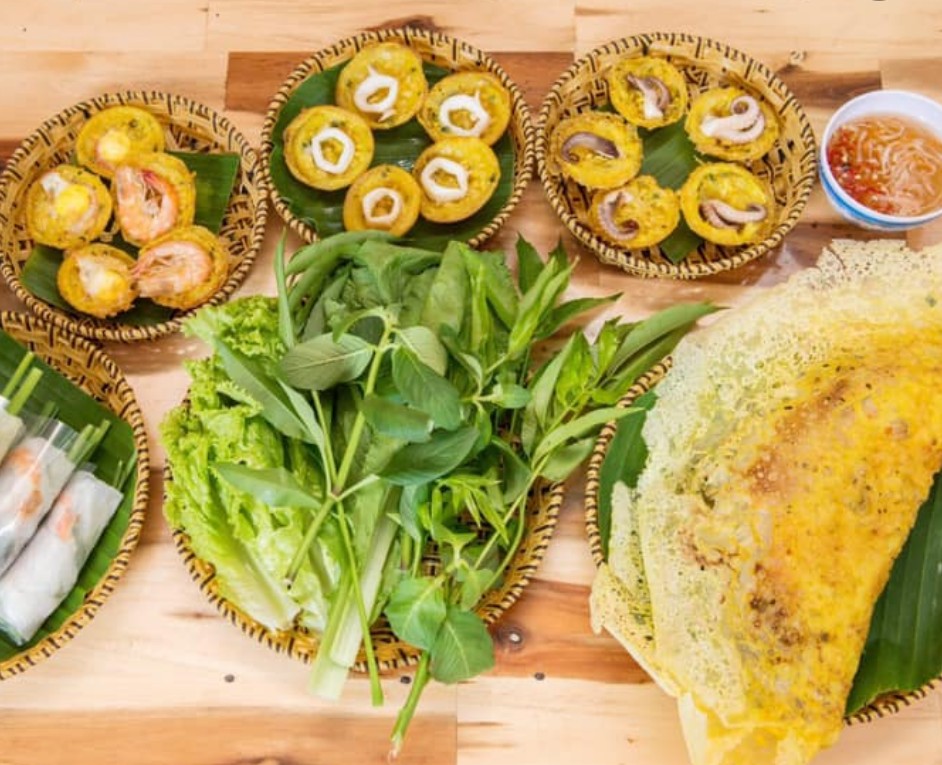
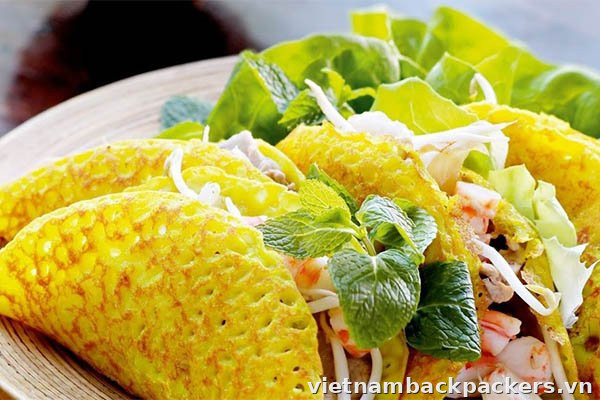 Bánh xèo: split pieces with both the shell and the filling
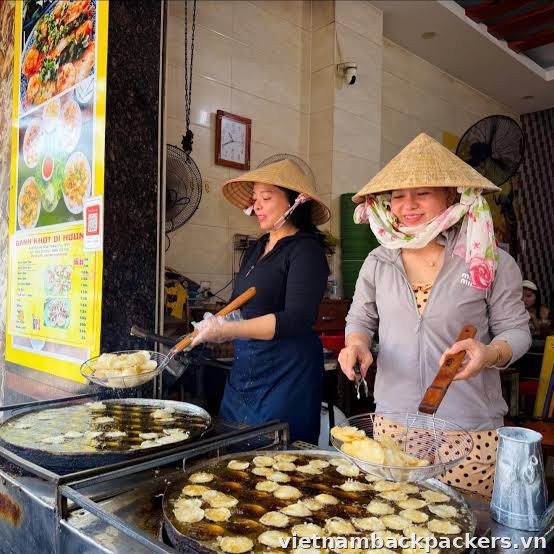 Bánh khọt: try each one, mind the filling is still hot
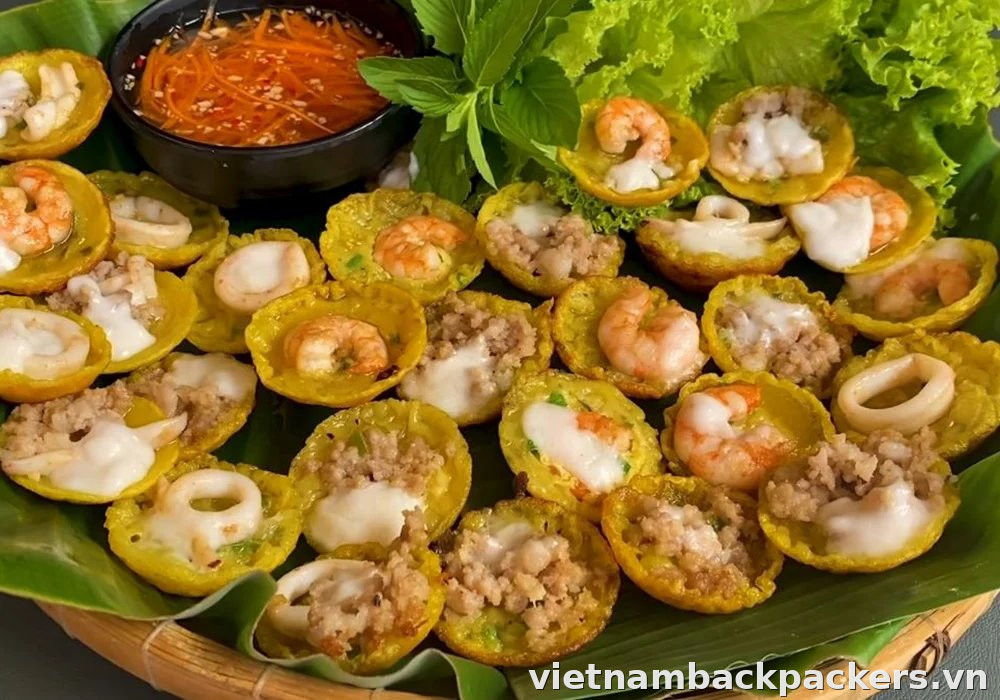 Accompanying greens: pick leaves that fit your hand, wrap each piece neatly
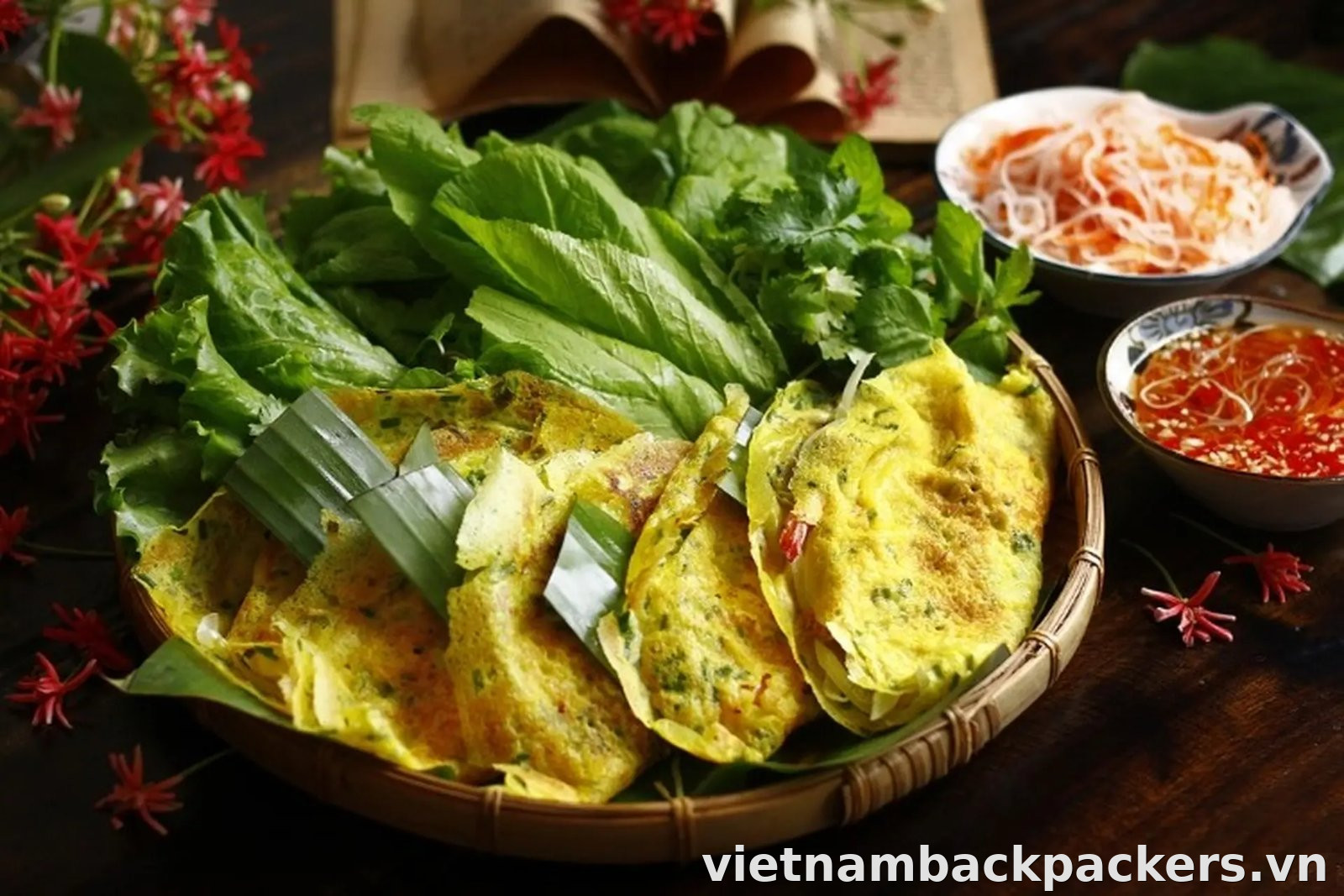 Dipping sauce: try a little first, adjust the heat and saltiness
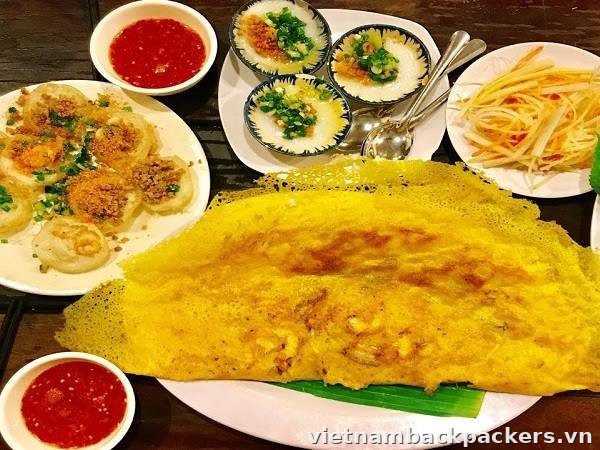 Ordering together: ask about cake size, number of pieces and the price of each portion

Both are savoury cakes usually made with rice flour, cooked on a hot pan or mould with oil or fat. The filling may include shrimp, meat or other ingredients; greens and dipping sauce let the diner combine each bite themselves. So when you come across an eatery selling both, you can use one portion of accompanying greens for both dishes if the way the eatery serves them suits.
Sharing common traits does not mean the batter is always mixed the same way. The ratio of water, added types of flour, turmeric, eggs or coconut milk varies by recipe. The same golden colour is not enough to conclude that two cakes have similar recipes, and not every bánh khọt is golden nor every bánh xèo rich with coconut flavour.
Eating them together is most enjoyable when you notice the differences rather than just ordering to fill up. A piece of bánh xèo may consist of a thin shell, bean sprouts and filling; a bánh khọt may give a crisp exterior, softer in the middle, with the filling sitting on top. Try each dish on its own first, then wrap with the same greens and dip lightly, and you will more easily recognise what you like.
Many stalls specialise only in bánh xèo or bánh khọt. If an eatery has both, you can order both together to try the crispness of the bánh xèo shell and the small bánh khọt cakes, eaten with greens and dipping sauce in the eatery's own style.
Bánh xèo is usually made by pouring batter into a hot pan, spreading it into a shell, adding the filling and then folding it over. When served, the half-moon shape is quite recognisable, but the size and thickness are not fixed. Mekong Delta bánh xèo is often large with thin edges; many Central styles use a smaller pan and a thicker cake.
Shrimp, pork and bean sprouts are a familiar choice, but not a mandatory trio. Some recipes use other seafood, duck, chicken or vegetarian fillings. Some places add mung beans, onions or seasonal ingredients. Asking about the actual filling is clearer than just choosing by the name "shrimp and pork" or "mixed".
The shell and filling create two different sensations: the edge can be thin and crisp, while the middle is thicker because it holds the filling and some moisture. When dividing the cake, try to take a piece with both shell and filling rather than only picking the crisp edge. If you want a lighter meal, you can share with your travel companions instead of assuming each person needs a large cake.
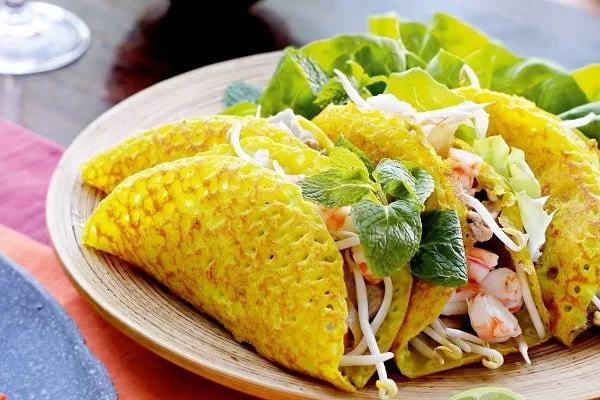
A freshly cooked cake usually feels crispier than one left for a while, but don't rush to bite while the filling is still too hot. Divide it into bite-sized pieces, wait for it to cool a little and then wrap. If the middle still feels quite hot, try a small piece first rather than putting a whole large wrap into your mouth.
Bánh khọt is poured into the round wells of a mould, each well making one individual cake. The filling usually sits on top or within the batter, depending on the recipe. Shrimp is a common filling; some places also serve squid or other options. You can order by the plate, making it easy to divide each cake and count how many portions you've eaten.
Small pieces don't always mean they are equally thin and crisp. The batter ratio, amount of oil or fat and the pouring technique affect the edges, the base and the middle. Some styles are clearly crisp on the outside, others are softer and richer; if you want to try one that suits your taste, asking the eatery how they make it is more helpful than just looking at menu photos.
Bánh khọt is associated with Vũng Tàu in many food-exploring trips; in the Mekong Delta there are also styles using coconut milk for a rich flavour. The cake's colour may be pale or golden depending on the recipe. You shouldn't use turmeric colour or coconut flavour as the only sign to identify which region a cake belongs to.
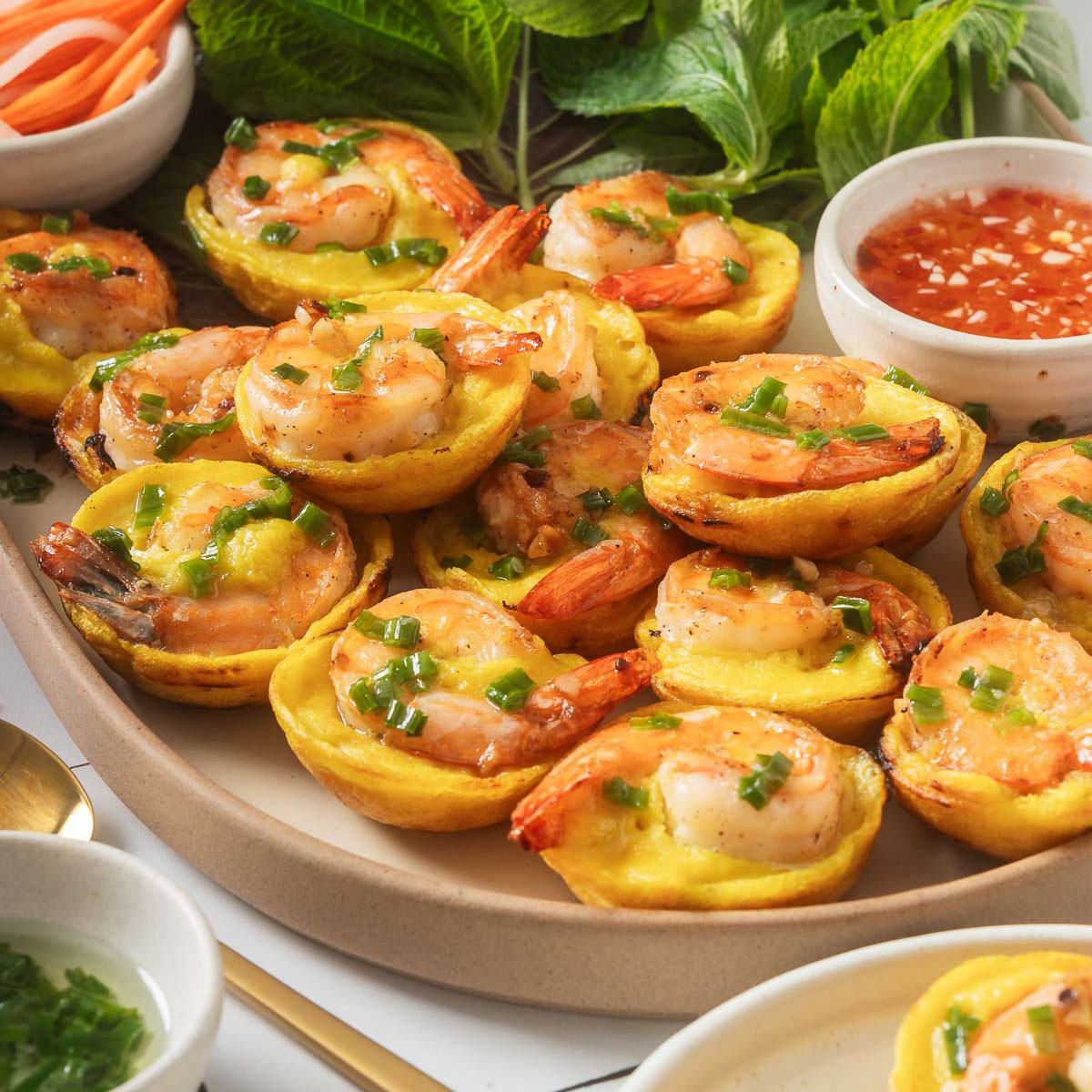
For cakes with shrimp that still have the tail or shell, check carefully before wrapping and remove the parts you don't want to eat. Don't assume the small filling has been fully peeled. If a cake is too big for one bite, divide it to make it easier to eat; the middle can still be hot even when the edges have cooled.
If you like thin shell pieces for wrapping with greens, start with bánh xèo. If you want to try individual cakes with filling on top, take bánh khọt first. There's no need to conclude which dish is "better": the two textures can complement each other in one meal, especially when the group has different tastes.
Crispness is also not the only criterion. The filling being cooked through, the portion suiting your appetite and the dipping sauce matching your taste all matter. Don't regard a softer style as a flaw just because it differs from a cake you once had in another region.
In many southern serving styles, the two dishes come with mustard greens, lettuce, herbs and fish sauce mixed sweet and sour. The actual greens, pickles and seasonings vary by stall. You can try a piece of cake on its own first to know the taste of the shell and filling, then wrap it with greens; there's no need to put every kind of leaf into one wrap.
If the eatery has rice paper, you can use it in the way they serve it; if not, wrapping with leaf greens is still an option. There's no need to regard rice paper as mandatory for both dishes. You can also eat the cake and greens alternately with chopsticks when you don't want to wrap.
Mixed fish sauce is one common dipping style, not the only one. The ingredients, richness and seasoning of the dipping sauce can differ between regions and stalls. When ordering both, ask whether the two dishes use the same dipping bowl or are served separately; try each one before choosing the combination you like.
If you want the cake to stay crisp, wrap each piece just before eating rather than making many wraps in advance and leaving them. Moist greens, dipping sauce and heat can all change the texture. Those who don't eat spicy food should ask from the start because chilli may already be mixed into the dipping bowl.
One large bánh xèo and one plate of bánh khọt may be suitable for a group to share and try, but it's not enough information to determine how many people will be full. The size, amount of filling and number of pieces on the plate vary by eatery. Before ordering, ask how big the large bánh xèo portion is and how many pieces the plate of bánh khọt has.
If two of you want to try both, you can ask for the smallest portion of each dish and add more if you're still hungry. This is a way of ordering that's easy to adjust, not a fixed meal quota. If one person eats little or later wants to try other dishes, sharing portions is usually more flexible than ordering two full servings right away.
An easy way to order is: "Our group wants to try both bánh xèo and bánh khọt, may I ask about the small portion of each dish and the price?". If you need a separate dipping bowl or less chilli, say so before it's served. Dividing the cake with clean utensils and using separate bowls makes it easier for each person to combine flavours than fighting over one dipping bowl.
Bánh xèo has many styles in Central and Southern Vietnam; bánh khọt is a familiar choice when exploring Vũng Tàu and also comes in styles in the Mekong Delta. When passing through a new place, ask the eatery which style of cake they're serving, what the filling is and how it's dipped. Don't expect every stall to be the same as the dish you had on a previous leg.
For a combined meal, prioritise places that have both on the menu and are convenient on your route. If a stall specialises only in bánh xèo or bánh khọt, trying just their dish is also reasonable; there's no need to go far out of your way to find both in one go. A pleasant rest stop matters more than completing a list of dishes.
Before sitting down, check where to park, where to put your luggage, the accompanying greens area and the serving utensils. Food being covered, tidy tables and clear preparation are things worth observing; a busy eatery or freshly fried cakes don't automatically guarantee that every ingredient is safe. Confirm the price of the portion you've chosen, the hours still serving and the wait time at the actual eatery.
If getting takeaway, keep the dipping sauce and greens separate from the cakes to better preserve the texture. Cakes sealed for a long time can steam and soften; don't expect them to be as crispy as when they just came off the pan. Plan to eat soon after receiving them, avoid leaving food for hours in the car or in the sun; if you have specific storage needs, ask the seller.
Seafood allergies: shrimp is a common filling, but there may also be squid, clams, dried shrimp or seafood seasoning. Removing the shrimp on top doesn't solve mixed-in ingredients or cross-contact from batter, pans, moulds and shared utensils. If you must avoid it strictly, discuss it fully and choose another dish when the eatery cannot confirm.
Egg, wheat or other ingredient allergies: rice flour doesn't mean the recipe contains only rice. Pre-mixed flour blends, added starches, eggs and seasonings can differ from place to place. Don't use the yellow colour to infer whether the cake has egg, nor assume the dish is gluten-free without checking.
Vegetarian or no pork: check the filling, batter, oil or fat used to grease the mould, seasonings and dipping sauce. A vegetable filling doesn't automatically turn regular fish sauce into a vegetarian dipping sauce; a meatless cake may still be made on a pan using pork fat. Asking for a suitable version from the start is clearer than picking out a piece of filling you can see.
If you need food thoroughly cooked: ask how the vegetables are cooked or choose a suitable side. Raw herbs don't become cooked just because they're wrapped with a hot cake. Lime and chilli don't replace proper cooking or storage; for dietary needs advised by medical staff, prioritise those instructions.
Want a lighter meal: order an amount of cake that fits your appetite, go easy on dipping sauce and any extra fried items. Greens add flavour, but don't remove the oil, fat or salt already in the cake. There's no need to force down more than you can handle just because you ordered both dishes.
No. The two dishes can be similar in their rice batter, filling and accompaniments, but bánh xèo is usually spread thin on a pan then folded, while bánh khọt is poured into individual cups in a mould. The batter recipe and texture aren't necessarily the same either.
Yes, if the eatery serves both and the ingredients suit the diner. Order an amount that fits your appetite then share and sample; whether herbs and dipping sauce are shared or separate depends on how it's actually served. Not every eatery sells both dishes.
You can't conclude from the colour. Turmeric can create the yellow colour, while whether there's egg depends on the recipe. If you need to avoid egg, ask about the batter ingredients and preparation rather than just looking at the cake.
No. You can wrap it in leafy greens, use rice paper if it's served, or eat the cake and greens alternately. Choose the portion and eating style that suit you; there's no need to assume every region wraps the same way.
There's no fixed number because the size of bánh xèo and the number of bánh khọt per plate vary. Ask for the smallest portion, see how much you can eat then order more if needed; confirm the price, greens and dipping sauce before choosing.
Eat each portion of cake while still hot, pairing it with an amount of greens and dipping sauce that suits your taste. For a group, splitting a bánh xèo then also trying bánh khọt helps each person find the style they like. Ask about the wait time before ordering more, especially when you still have travel plans.
Please follow the community guidelines when sharing your opinion
No comments yet. Be the first to share.
Serious or repeated violations may result in a temporary or permanent account suspension.
Let the editors know what is wrong with this comment. Your name is not shown to anyone.
Not sure where to stop? Tell me your trip idea.
 Travel assistant
 Bé Bụi