Southwestern lẩu mắm: picking vegetables, ordering a pot, and enjoying it on a road trip
04-10-2026 22:51:07
MEMBER SUPPORT 0367 494 919 Send feedback by email
Before setting off, stopping for a hot bowl of phở is a pleasant way to begin a trip. There's no need to seek out the most famous shop or chase rankings: a convenient spot, a cut of meat that suits your taste and that first spoonful of broth are enough to open up an experience. Phở differs a little in each place; just taste it, adjust moderately and see for yourself which style you like.
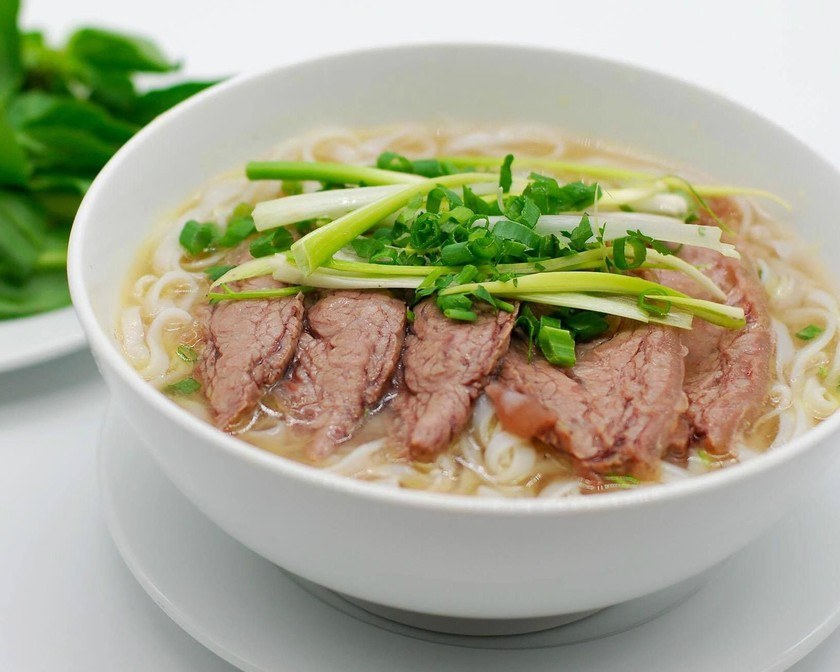
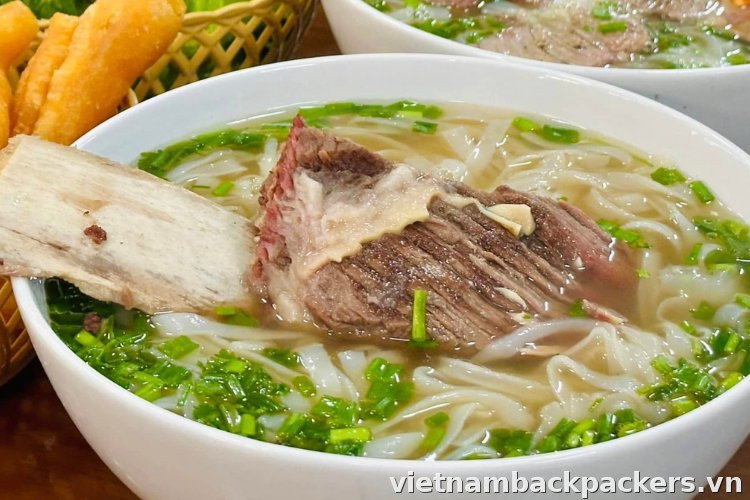 Phở bò: ask about the cut and degree of doneness
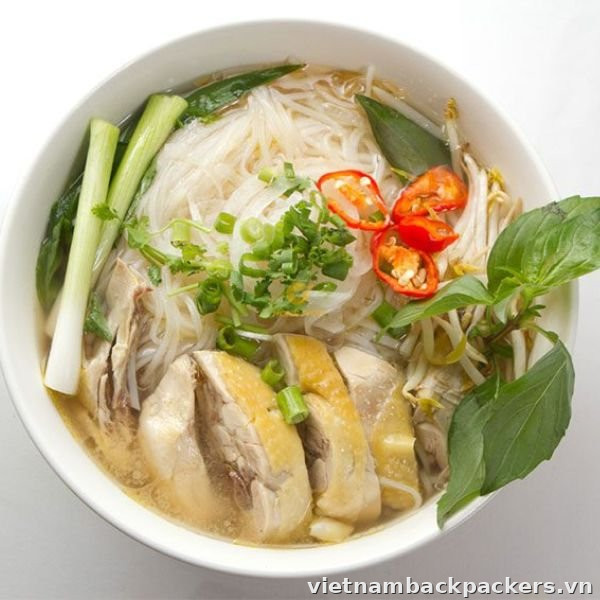 Phở gà: another option in meat and broth
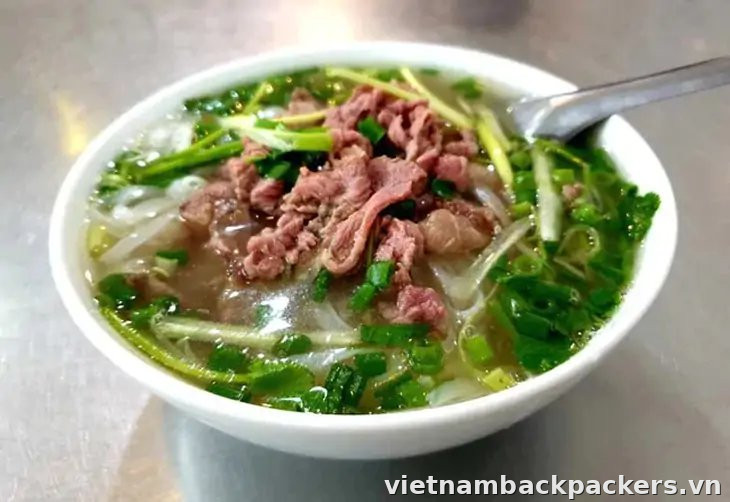 Tái or chín: say clearly if you need it thoroughly cooked
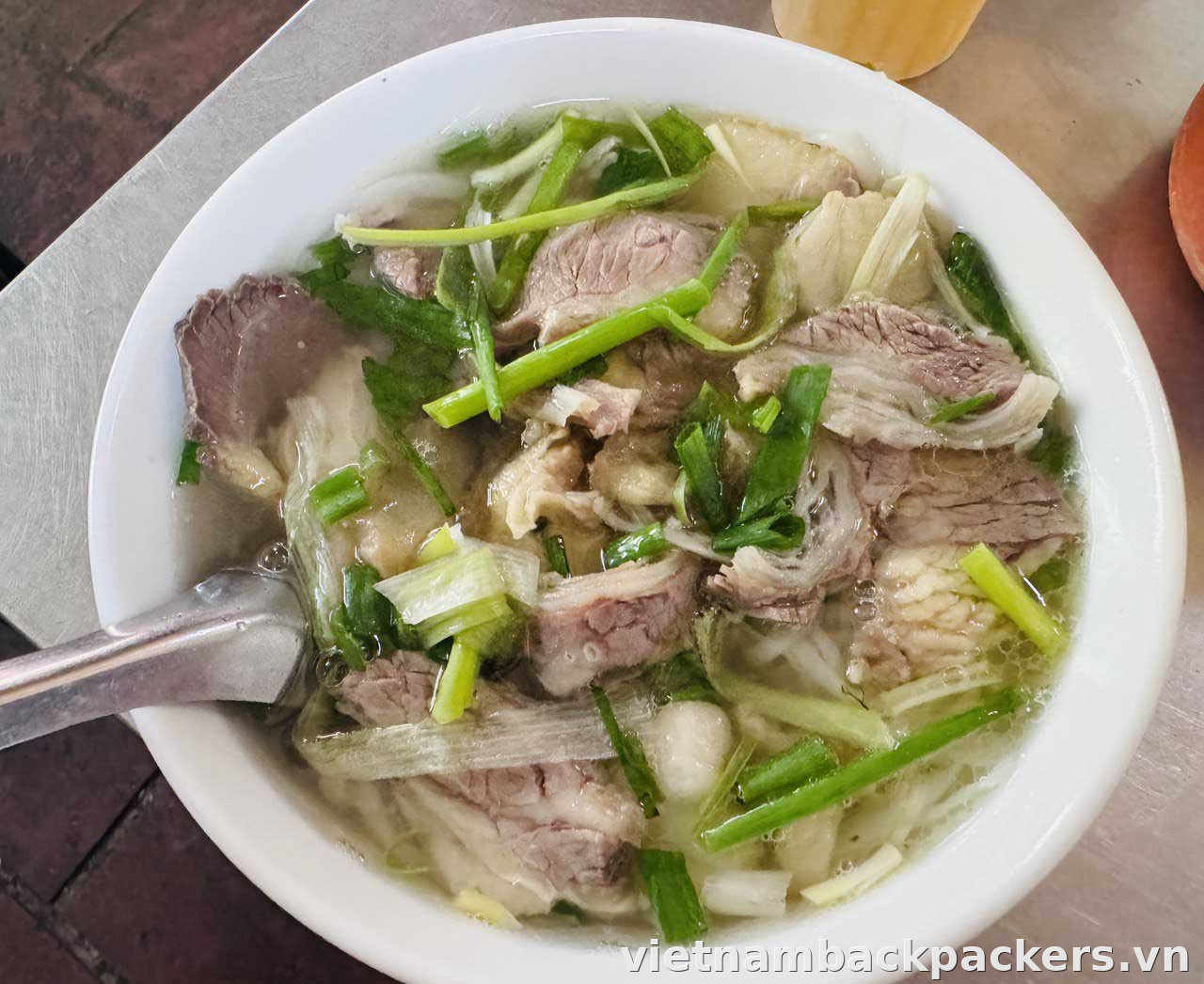 Nạm, gầu, gân: choose by texture and amount of fat
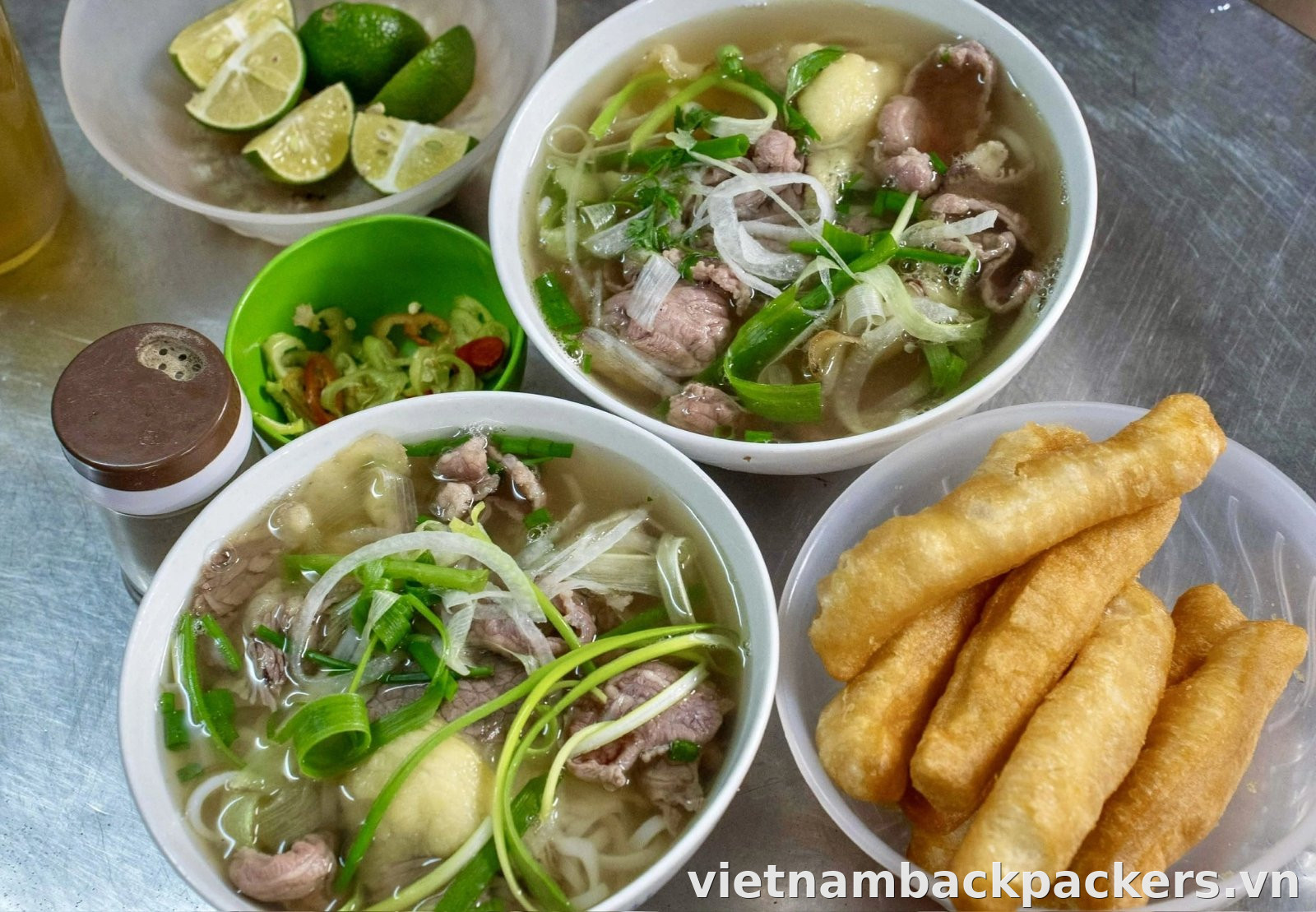 North–South styles: taste before adding accompaniments

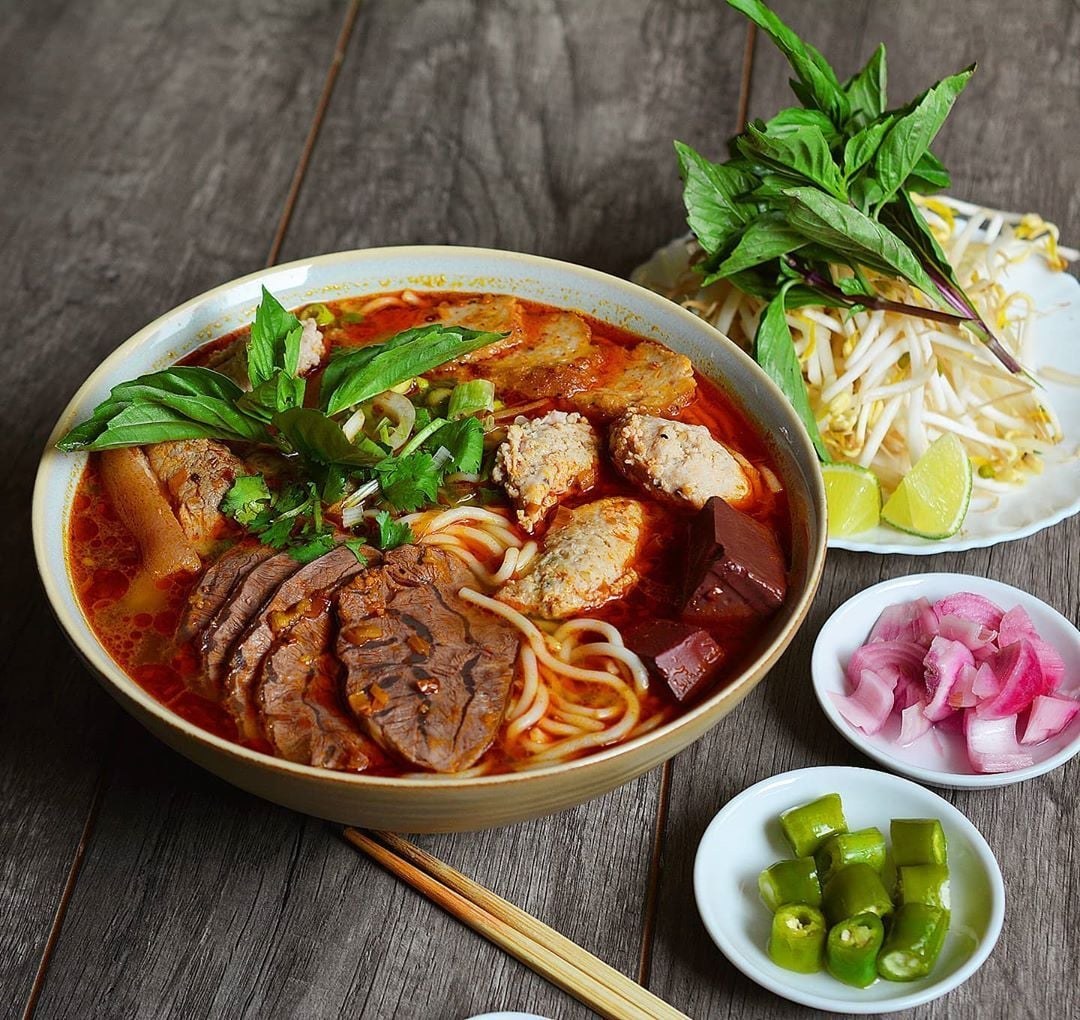
The foundation of phở is rice noodles, a cut of meat and broth. Bánh phở is flat, unlike the round strands of bún. With phở bò, the broth is usually simmered from bones and suitable cuts of meat; onion and ginger along with spices such as cinnamon and star anise create the aroma. The recipe and the amount of spices used vary by cook, so there's no need to look for a complete list of aromatics in every bowl of phở.
What matters is balance. A spoonful of broth may smell clearly of beef, lean toward spice notes or be lighter; the noodles may be very soft or still have some chew. The meat, onion and accompaniments tie these parts together. A bold flavour doesn't necessarily mean a lot of salt, just as a clear broth isn't the only proof of a good pot.
Phở gà is another option, not just phở bò with the meat swapped out. The flavour of the chicken, the broth and the way onion and herbs are added can create their own experience. If you're travelling with someone who doesn't like the taste of beef or who wants a change, you can start with phở gà rather than trying to order the same dish for the whole group.
Phở is tied to Nam Định and Hà Nội in its development in the North, then spread to many regions. In Hà Nội, a bowl of phở also goes along with the rhythm of breakfast and the familiar eateries of the streets. Each place keeps its own way of cooking and eating for you to explore.
Across regions, phở changes in its broth, cuts of meat and accompaniments. When you stop to eat, the differences right there in the bowl are often easier to sense than trying to find a single recipe for the whole dish.
As phở travelled to other lands, cooks and diners continued to adjust it. The story worth exploring during a trip isn't just where phở began, but also why a bowl of phở at the place you're visiting differs from the familiar bowl back home.
A common tendency in Hà Nội phở is a relatively spare set of accompaniments, which helps the diner focus on the broth and meat. On the table there may be lime, chilli, chilli sauce or pickled garlic depending on the shop. Quẩy is also something many people like to order to dip in the broth.
In the Southern style, you'll often find a plate of fresh herbs, bean sprouts and various sauces to adjust things yourself. The broth at some shops has a more clearly sweet taste. These are tendencies for you to explore, not a set of rules that applies to every shop.
A Northern shop may serve herbs on the side, and a Southern shop may cook a light broth that isn't very sweet. If you're not used to sweet sauce or don't like raw bean sprouts, just keep them separate. There's no obligation to put all the accompaniments into the bowl to be seen as knowing how to eat phở.
If you want to compare the two styles, choose similar cuts of meat and taste before adding seasoning. If you adjust every bowl to the same level of sourness, spice and sweetness, the cook's differences become harder to notice.
The names on the menu usually describe the cut of meat or how it's prepared. You don't need to remember every term, but understanding a few options will help you avoid ordering a part you don't like.
To order more easily, you can say: "Give me one phở bò chín, less fat, no onion" or "One phở gà, which cut has fewer bones?". If you want to try several cuts, ask what a combination bowl includes; "đặc biệt" doesn't have a fixed set of ingredients at every shop.
When the bowl arrives, set aside a small spoonful for the plain broth. Wait for it to cool a little, then taste, and only then decide whether you need lime, chilli or sauce. This helps you understand the dish before adjusting it to your habits.
If you like it sour, squeeze in a little lime first; if you like it spicy, add chilli or sauce bit by bit. Many seasonings at once can change the broth dramatically. You can also keep the sauce in a separate dish for dipping the meat, so the phở broth keeps its original flavour.
Herbs and bean sprouts can be eaten your way, but pay attention to how they're cleaned and prepared. If you don't want to eat them raw, ask whether the shop can blanch them for you. Don't treat a quick dip of herbs into the bowl as a guarantee of hygiene; the actual temperature and contact time aren't easy to control.
Quẩy, eggs or other add-ons depending on the place can make the meal more filling. Asking which parts are included in the serving and which are charged separately will help the group order just enough, especially if you still want to try another dish afterward.
Phở is tied to breakfast in many places, especially in Hà Nội, but it's not eaten only in the morning. Some shops serve lunch, dinner or many time slots. Don't infer opening hours from general eating habits; before going far to find a specific shop, check current information and get in touch if needed.
If you're in a neighbourhood with many shops, read the menu first, observe the preparation area and ask for the cut you want. A busy or famous shop may be worth trying, but the number of people queuing doesn't replace assessing how ingredients are stored, the utensils and the way service is handled.
The price of a bowl depends on the location, cut of meat, size and add-ons. Instead of carrying a fixed figure for all of Vietnam, check the price at the shop and ask clearly before ordering a special portion. This is also a way to avoid surprises when a bowl with lots of meat differs in price from the basic serving.
Phở without meat isn't necessarily vegetarian phở: the broth may be cooked from bones and the seasonings may contain fish sauce. If you're vegetarian, look for an option the shop confirms has both broth and seasonings that are suitable; don't just ask to remove the meat from an ordinary pot of broth.
If you're allergic to fish, soy or other ingredients, ask about the broth, the sauces and the dipping sauce. For a strict need to avoid gluten, the fact that the noodles are made from rice isn't enough to conclude the whole bowl is suitable: sauces, seasonings and shared utensils all need to be checked.
When stopping to eat on the road, watch for clean utensils, how raw meat is kept separate from cooked meat and how ingredients are stored. If you need to avoid rare meat, say clearly that you want the meat thoroughly cooked. A hot broth doesn't by itself guarantee that everything in the bowl has been handled safely; choosing a shop that puts you at ease still matters more than its reputation.
Choose by taste. Phở bò usually gives a clear experience of the broth and the cuts of beef; phở gà is another direction if you like chicken. If you don't like fat or offal, stating your request clearly when ordering is more helpful than choosing a "đặc biệt" bowl.
No. This is a separate dish with its own bún noodles, broth and way of combining ingredients. Both having beef and broth doesn't make the two dishes one.
No. The accompaniments help adjust the flavour to your taste. You can taste it plain, add a little or none; the differences between regions are something to explore, not a test of how to eat.
You shouldn't. The amount of skin, fat, the cut of meat and the way it's cooked determine the specific bowl. If you want something lighter, ask for lean cuts, no skin and a suitable portion, rather than inferring from the name of the dish.
Before continuing on your way, remember the cut of meat that suits your taste and the seasoning you like to add. Next time you might switch to phở gà, try a different cut of beef or keep your usual bowl. After eating, sit and rest a little before continuing the ride.
Please follow the community guidelines when sharing your opinion
No comments yet. Be the first to share.
Serious or repeated violations may result in a temporary or permanent account suspension.
Let the editors know what is wrong with this comment. Your name is not shown to anyone.
Ask me about your travel itinerary!
 Travel assistant
 Bé Bụi