
Cà Mau Travel Guide 2026
PrintCà Mau is the southernmost province of Vietnam, home to a piece of land that every Vietnamese wants to set foot on at least once: Mũi Cà Mau with its national coordinate marker. This waterland suits travelers who crave an authentic Mekong Delta experience, from floating markets and the U Minh forest to a plate of salted ba khía and a pot of lẩu mắm (fermented fish hotpot). This article pulls together how to get there, the best season, where to go, what to eat, and the costs so you can plan your own Cà Mau 2026 trip neatly.
 01
01
 02
02
 03
03
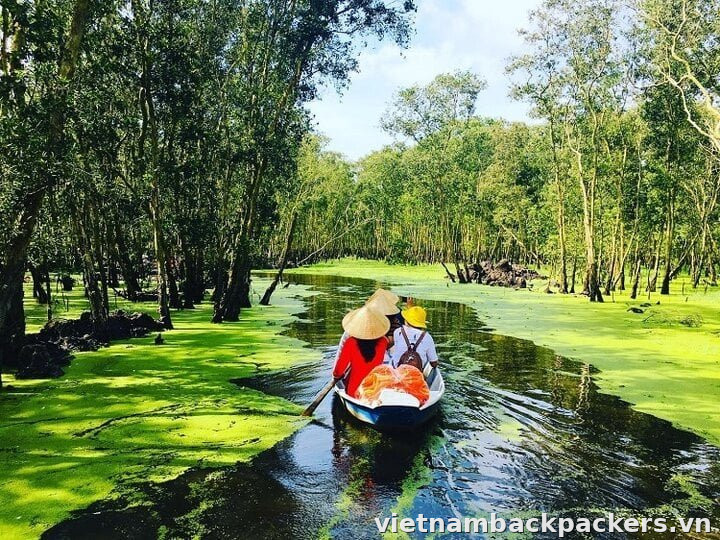

Show the location schematic
Coordinate schematic, not a road map. Check access routes in a map service.
- Dry seasonRoads and boats are convenient, easy for photos
- Lunar months 7-9Peak ba khía (mud crab) season, freshest and tastiest
- Avoid peak rainy seasonBoat trips in the rainy season are harder and less safe
-
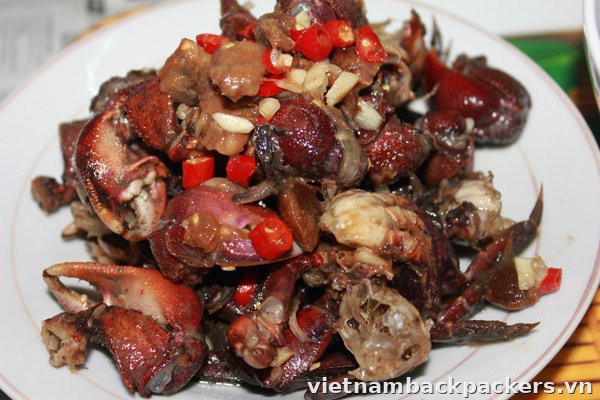 Ba khía Rạch Gốc
-
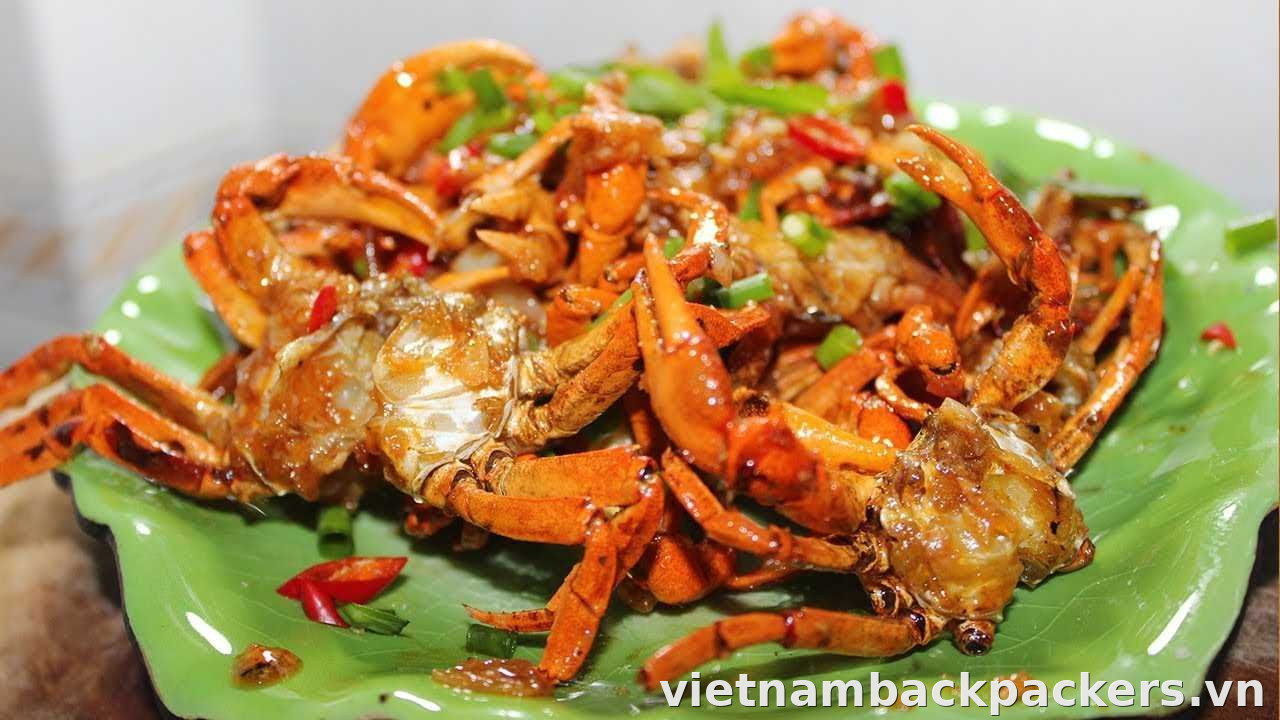 Ba khía rang me (mud crab stir-fried with tamarind)
-
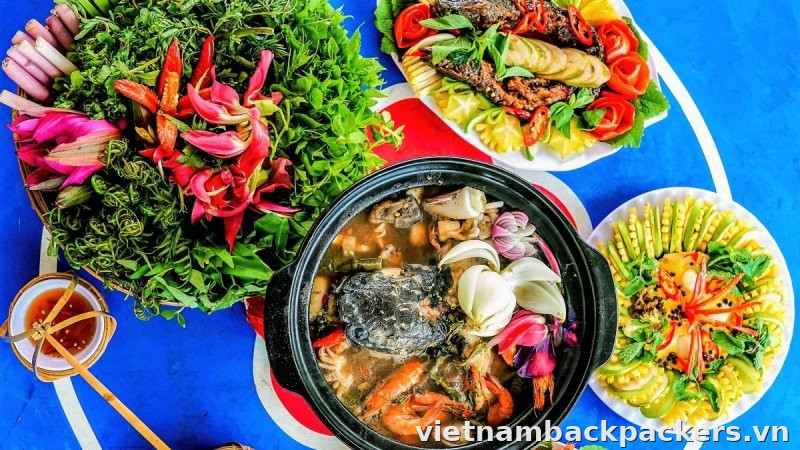 Lẩu mắm U Minh (U Minh fermented fish hotpot)
-
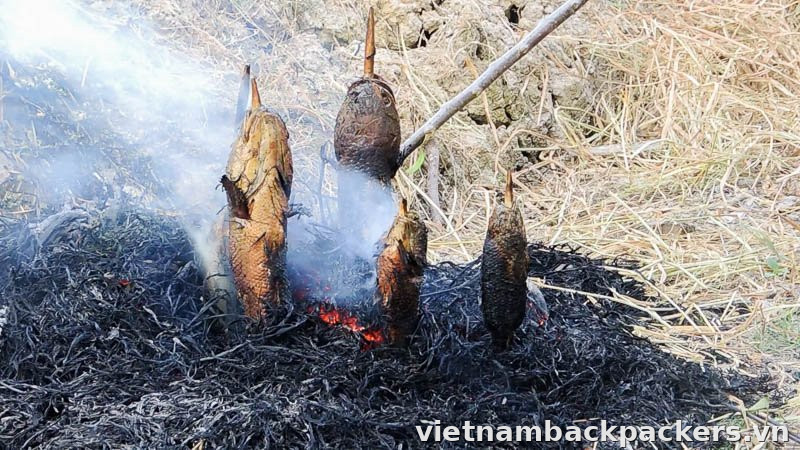 Cá lóc nướng trui (grilled snakehead fish)
-
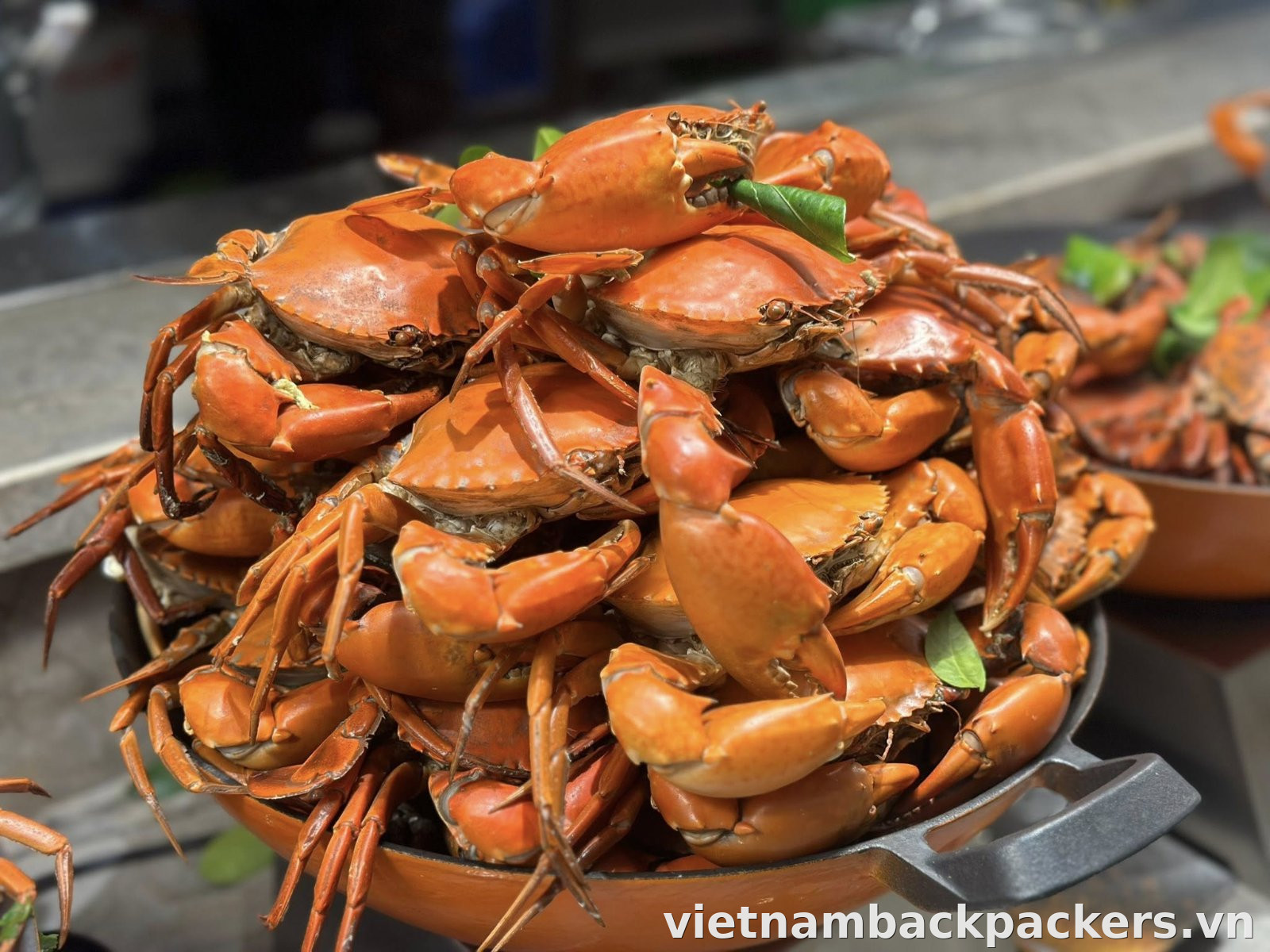 Cua Cà Mau (Cà Mau crab)
A few words about Cà Mau 2026
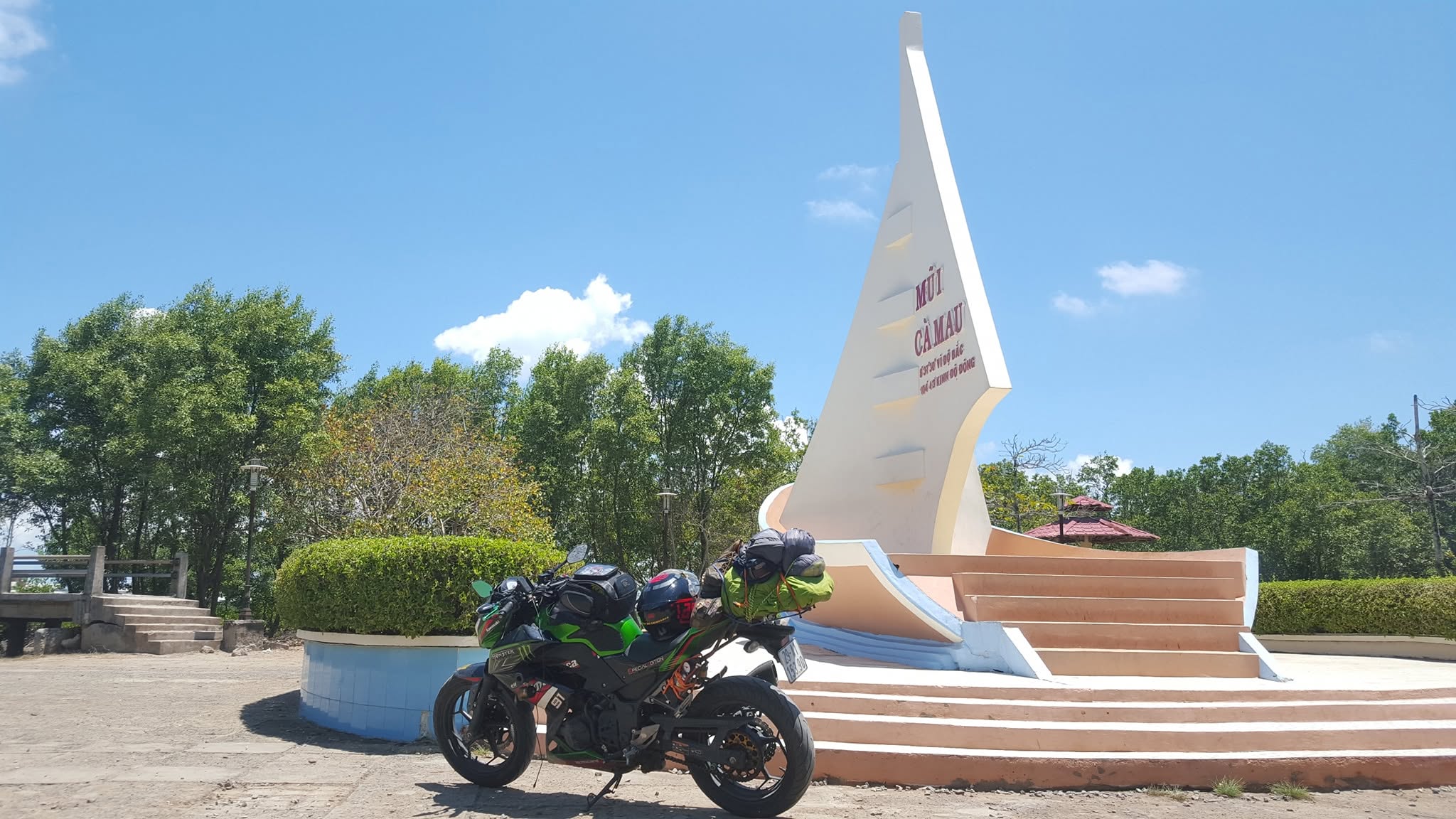
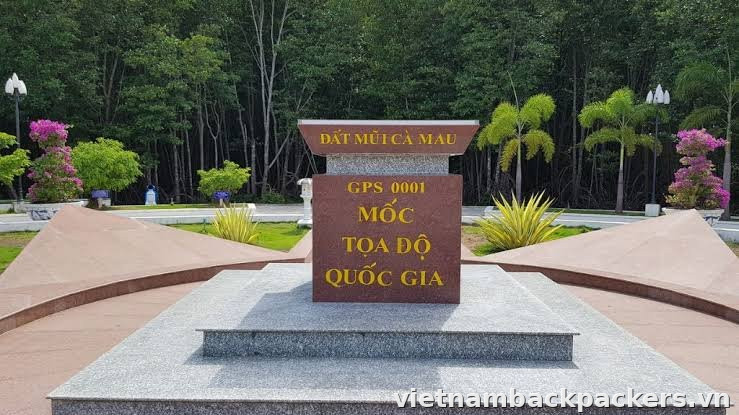
Cà Mau sits at the very southern tip of Vietnam's S-shaped strip of land, bordered by the sea on three sides, characterized by a dense network of rivers and canals and mangrove forests. The spot that draws backpackers the most is the national coordinate marker GPS 0001 — one of Vietnam's four extreme points, along with Lũng Cú, A Pa Chải, and Mũi Đôi.
This land suits people who want to travel slowly, take in the rivers, and eat fresh seafood rather than look for mountain scenery or lively streets. If you're already familiar with nearby Mekong Delta spots like Cần Thơ or Bến Tre, then Cà Mau is a step further out, more untouched, and also takes more effort to reach.
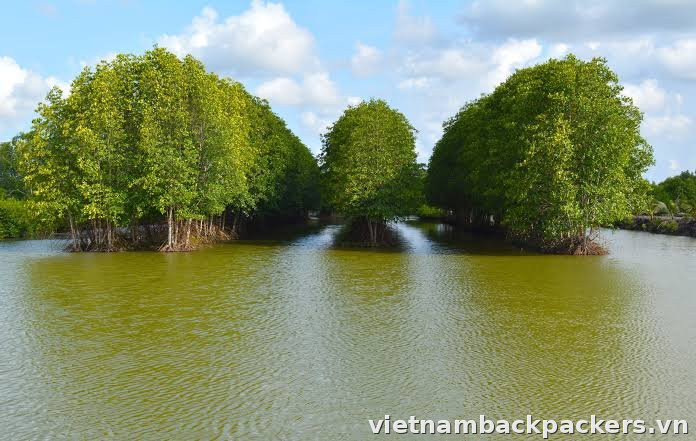
How to get to Cà Mau 2026
There are three main ways to reach Cà Mau, depending on whether you prioritize speed or saving money. Going straight from Ho Chi Minh City is still the most common choice because there are both flights and coaches.
By air
Vietnam Airlines sells the Ho Chi Minh City – Cà Mau route, operated by VASCO; the flight takes about an hour, and the schedule may change. Check the schedule and fares directly from the airline before booking.
Another option is to fly to Cần Thơ then take a coach down to Cà Mau. This route may work if you can't find a direct flight; compare the total time and cost of both legs by departure date before booking.
By coach
Phương Trang runs a route from Ho Chi Minh City to Cà Mau. Coaches are usually cheaper than flights but take more time; check the operator's route information and look up prices and departure times when you book.
TipIf you're traveling on a weekend or holiday, book sleeper bus tickets a few days ahead to get a lower-bunk bed and a night departure, so you arrive at dawn and can start exploring right away.
Getting around locally
Cà Mau is a waterland, so many spots require boats, sampans, or motorized canoes, especially the route out to Đất Mũi and into the U Minh forest. On land, you can rent a motorbike to be independent, but to explore the floating market or thread through the canals, you have to ride a boat. Just accept up front that the journeys here eat up more travel time than the Mekong Delta provinces closer to Saigon.
What season to go
The Mekong Delta has two clear seasons: dry and rainy, and this directly affects waterway travel in Cà Mau. In the dry season, roads and boats are more convenient and the scenery is easier to photograph, so most backpackers choose this window.
If you love ba khía, time it with the tides: ba khía are most abundant in the 7th-9th lunar months. Going in season means they're easy to buy and you get to eat the freshest, tastiest ba khía.
NoteThe Mekong Delta rainy season usually runs from the middle of the year, and traveling by boat can be harder. If you prioritize the waterland experience and photography, consider shifting away from the peak rainy period.
Places worth visiting
Cà Mau doesn't have densely packed attractions like big cities, so you should be selective based on your time budget. The three places below make a reasonable framework for a 2-3 day trip.
National coordinate marker GPS 0001
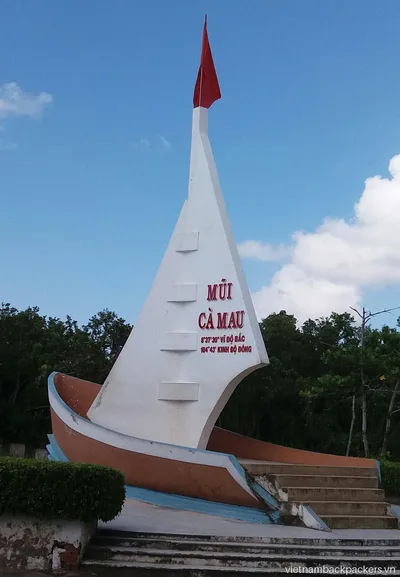
National Coordinate Marker GPS 0001 is a must-visit if you want to set foot on the southern tip of the country. The marker denotes Vietnam's territorial sovereignty on the mainland at Mũi Cà Mau, one of the four extreme points along with Lũng Cú, A Pa Chải, and Mũi Đôi.
The site is in the Đất Mũi area of Cà Mau; confirm contact details before you go. It's far from the center, so set aside a full day for the journey out to Đất Mũi — don't try to cram it in with other plans.
Hòn Đá Bạc
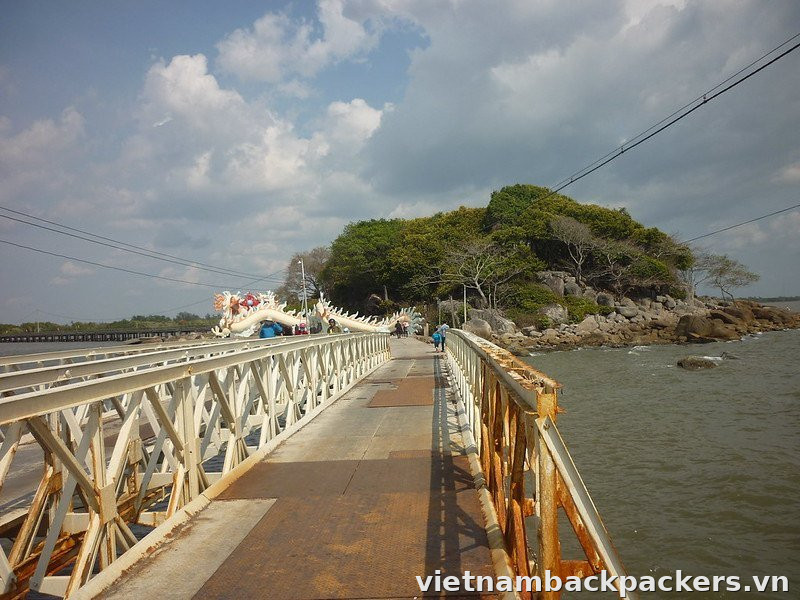
Hòn Đá Bạc is a small cluster of islands in Cà Mau, suited to anyone who wants to take in the sea and its distinctive rocky terrain rather than just rivers and canals. This place fits well into an itinerary together with the U Minh forest area if you're heading that way.
Cà Mau floating market
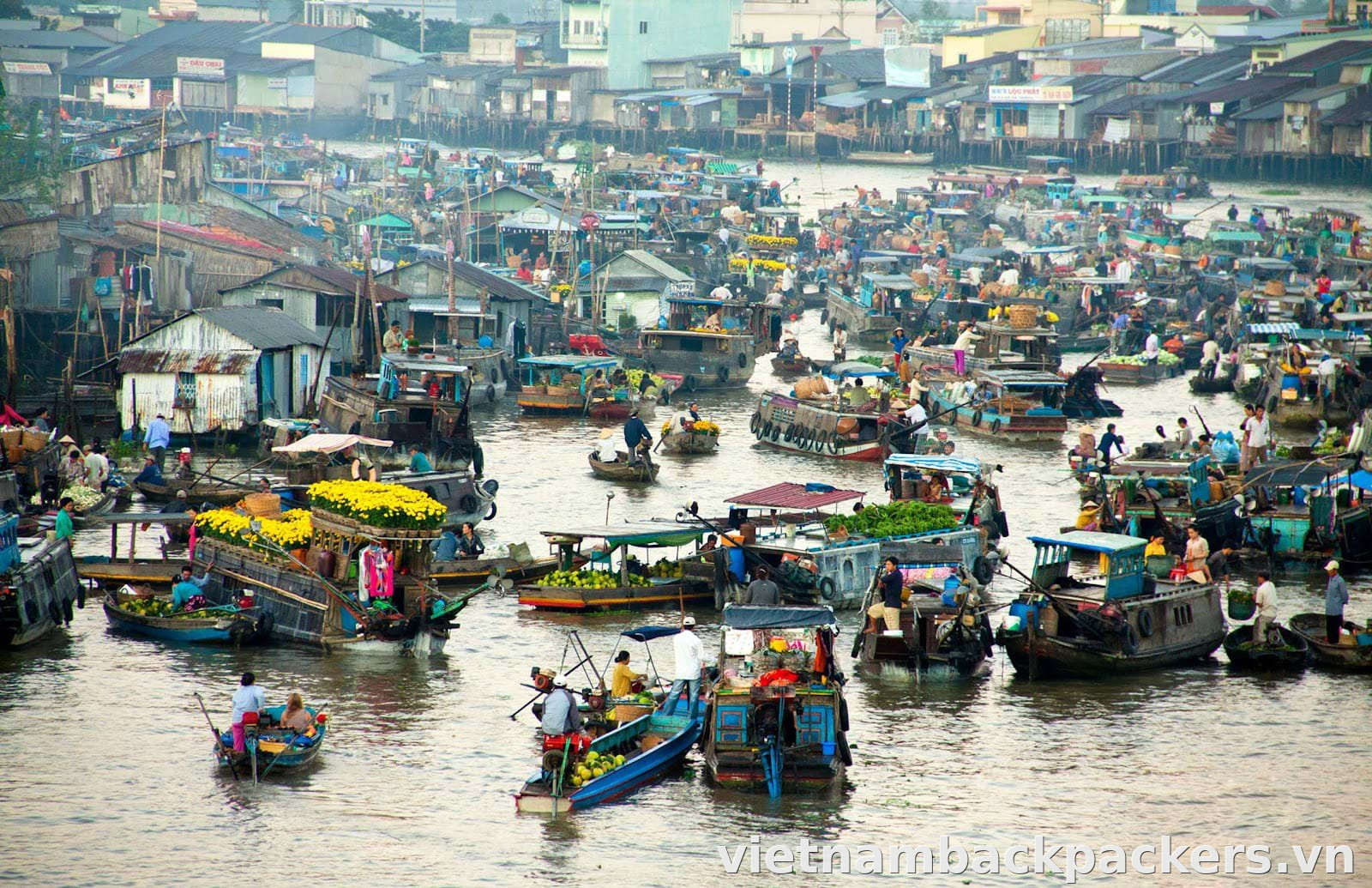
Chợ nổi Cà Mau is tied to daily life on the Gành Hào River. Floating market activity changes over time; ask locals whether trading boats still gather on the day you plan to visit, and don't assume there'll be a bustling market session.
TipIf you want to take in the rivers in the morning, check the situation at the dock and agree on the boat fare and life jackets before setting off.
What to eat in Cà Mau 2026
Cà Mau's cuisine revolves around river and mangrove produce, deeply rooted in the Mekong Delta. If you can only try a few dishes, prioritize ba khía and lẩu mắm — the two things most tied to this land's reputation.
Ba khía Rạch Gốc is the most famous specialty, from the Rạch Gốc area (formerly part of Ngọc Hiển district). These ba khía feed on the fruit of black mangrove trees, so they have rich roe and firmer, more fragrant meat than elsewhere; the craft of salting ba khía was recognized as a National Intangible Cultural Heritage in late 2019. Besides the traditional salted version, you can try ba khía rang me (tamarind-fried ba khía) — shells removed, stir-fried with garlic then cooked with tamarind juice, sugar, salt, and fish sauce, sprinkled with Vietnamese coriander (rau răm) and roasted peanuts.
Lẩu mắm U Minh is a standout specialty with the true flavor of the waterland. Cá lóc nướng trui (grilled snakehead fish) is also not to be missed: fresh fish grilled over a layer of leaves, with naturally sweet meat and a distinctive aroma. If you love seafood, there's cua Cà Mau (Cà Mau crab), prepared every which way — grilled, boiled, salt-fried, tamarind-fried, in bánh canh, or in a tangy hotpot.
What to buy as gifts
Salted ba khía is the most distinctive gift, especially the kind from Rạch Gốc. There's also U Minh forest wild honey, tied to the locals' traditional bee-rafter beekeeping trade.
Where to stay
Specific accommodation options in Cà Mau aren't in our verified data, so I won't name hotels to avoid wrong information. As a general rule, the center of Cà Mau city is where the most lodging options are concentrated and is convenient for moving on to other spots.
If your itinerary includes going out to Đất Mũi, you should look into homestays near Đất Mũi in advance to save travel time in the early morning, rather than doing a same-day round trip from the center.
Estimated costs
The biggest expense is usually getting to Cà Mau. Compare coach and flight fares for your exact travel dates; old prices from guide articles aren't enough to budget your trip accurately.
If you connect through Cần Thơ, add both the flight and the coach to your budget. Food, lodging, motorbike rental, and boat hire depend on the number of people traveling together and the touring routes; ask for quotes for your travel dates then add a contingency.
NoteThe coach and flight fares above are reference figures that change by season and booking time. Check directly with the operator before planning your budget.
Things to keep in mind
Cà Mau is far away and many spots require waterways, so the most important factor is budgeting travel time sensibly. Don't cram Đất Mũi, Hòn Đá Bạc, and the floating market into the same day because they lie in different directions and all take effort to reach.
To see the floating market or go out to Đất Mũi, you have to get up early — that's an unavoidable fact of this region. For boat routes, ask about prices and lock in the schedule with the boat owner beforehand to avoid surprises.
WarningTraveling by boat during the rainy season or high tides can be inconvenient and less safe. Always wear a life jacket when available and watch the weather before heading out to river or island spots.
A suggested itinerary framework to put together yourself: day one, focus on the city center and the floating market from early morning; day two, dedicate the whole day to the journey out to Đất Mũi and the GPS 0001 marker; day three, combine Hòn Đá Bạc and the U Minh forest if you have time left. Eat ba khía in season during the 7th-9th lunar months, and save room for lẩu mắm and grilled snakehead fish before you head home.
Sources: OpenStreetMap (ODbL), Wikipedia/Wikivoyage (CC BY-SA), Google Maps.
Members who reacted
Comments
Please follow the community guidelines when sharing your opinion
No comments yet. Be the first to share.
Comment guidelines | VietnamBackpackers
Comment guidelines
01 · Names and profile pictures
- Do not use offensive, confusing or promotional names or profile pictures.
- Registered names must not exceed 30 characters or contain links, phone numbers or email addresses.
02 · How to communicate
- Follow Vietnamese law and the community's standards of conduct.
- Do not use profanity, insults, derogatory language, defamation or personal attacks.
- Do not write entire comments in capitals. Base discussions on facts and respect differences.
03 · Information and content
- Do not post personal contact details, advertising links or commercial websites.
- Do not spam, copy content from other sources or spread misinformation.
- You are responsible for the content of your comments.
Serious or repeated violations may result in a temporary or permanent account suspension.
People who liked this
Report comment
Let the editors know what is wrong with this comment. Your name is not shown to anyone.
 Bé Bụi