
Mũi Né in 3 Days and 2 Nights: Sand Dunes, Fishing Village, and Coastal Roads
PrintMũi Né is about 200 km from Saigon, making it ideal for a 3-day, 2-night trip: catch the sunrise at the Bàu Trắng white sand dunes, watch the sunset over the red sand dunes, see round basket boats return to the fishing village at dawn, wade along Suối Tiên, and visit the Poshanư Cham towers. This guide covers transport, an hour-by-hour itinerary, windy season tips, seafood spots, and estimated costs.
Insufficient verified coordinates to render the map route. The links below search by place name; please verify exact locations and access paths.
| Day | Route |
|---|---|
| Day 1 | Travel and Beach Time |
| Day 2 | Sand Dunes and Heritage Sites |
| Day 3 | Suối Tiên and Departure |
 02
 01
 02
 01
- November – AprilDry and sunny; strong winds and choppy seas from November to March.
Reference price
- Spare inner tube of the right size
- Mini hand pump
- Basic bike repair toolkit
- Windshield visor or protective goggles
- Check turn signals
- Bike repair tools
- Fresh seafood
- Bánh xèo
- Lẩu thả
- Gỏi cá mai
- Sea snails and shellfish
Itinerary Overview
The dry season, running roughly from November to April, brings the least rain and the best sunshine. However, from around November to March, the northeast monsoon sets in: strong winds and heavy surf make it better for kitesurfing and admiring the dunes than for swimming. For calm waters, visit between April and June; the rainy season (May to October) mostly features brief afternoon downpours.
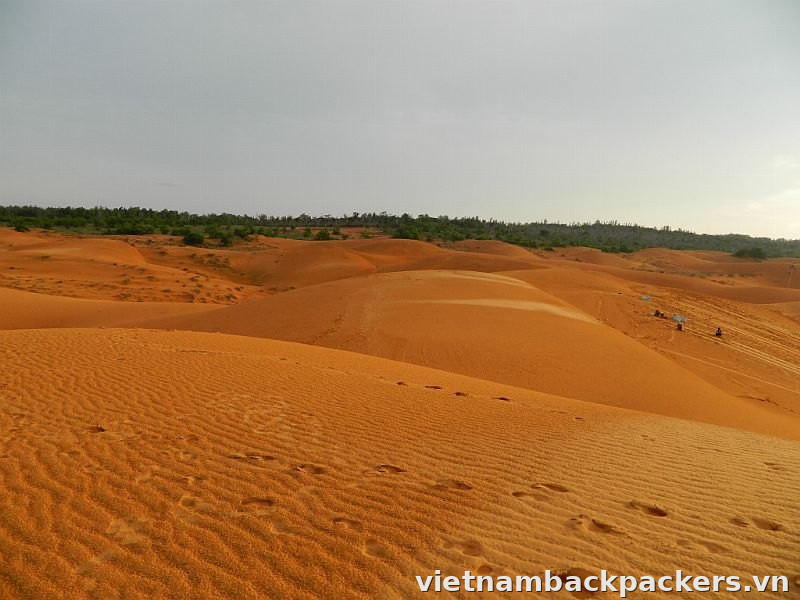
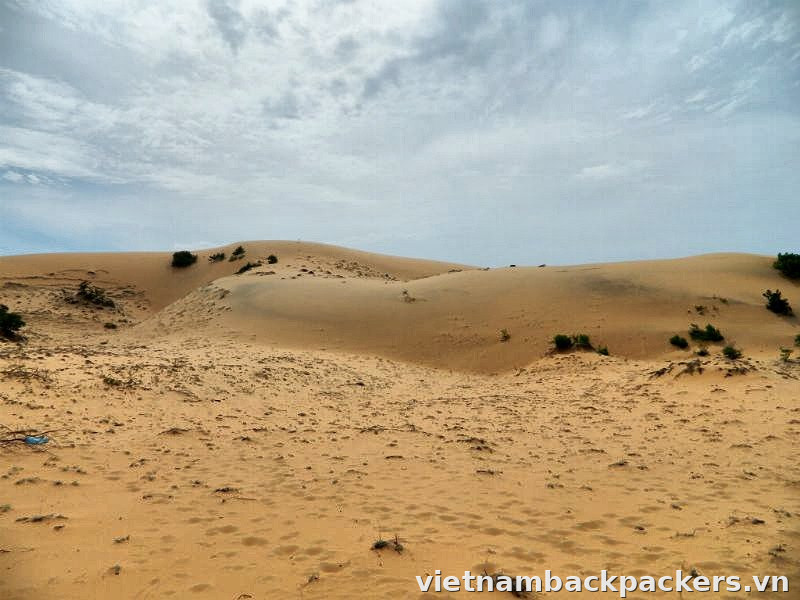
Visit the sand dunes either early in the morning or late in the afternoon: Bàu Trắng is at its best at sunrise, while the red dunes (Đồi Cát Bay) shine at sunset. After around 9:00 AM, the sand becomes scorching hot under intense sun.
A 3-day, 2-night timeframe is considered ideal for this journey. Three days allow plenty of time to cover Bàu Trắng, the red sand dunes, the fishing village, Suối Tiên, and the Poshanư towers without feeling rushed on the road. This region formerly belonged to Bình Thuận province, and as of 2025 falls under Lâm Đồng province.
Pre-trip Preparation
From Saigon, cars and coaches traveling via the TP.HCM – Long Thành – Dầu Giây – Phan Thiết expressway take about 3.5 to 4 hours; motorbikes are not permitted on the expressway and must follow National Route 1 before turning into Phan Thiết, taking around 5 hours. A Saigon – Phan Thiết passenger train is another option. Mũi Né lies about 20 km from central Phan Thiết, where you can rent a motorbike locally.
The coastal route from Mũi Né through Hòn Rơm to Bàu Trắng has several remote stretches with few houses, so inspect your bike beforehand and pack a spare inner tube, a hand pump, drinking water, sunscreen, a face scarf, and eye protection against blowing sand.
Detailed 3-Day, 2-Night Itinerary
Below is a suggested schedule for the trip, broken down by morning, afternoon, and evening to ensure you stay energized while riding.
Day 1: Travel to Mũi Né and Beach Time
Morning: Depart Saigon early, arriving in Mũi Né around midday to check in, have lunch, and rest out of the midday heat.
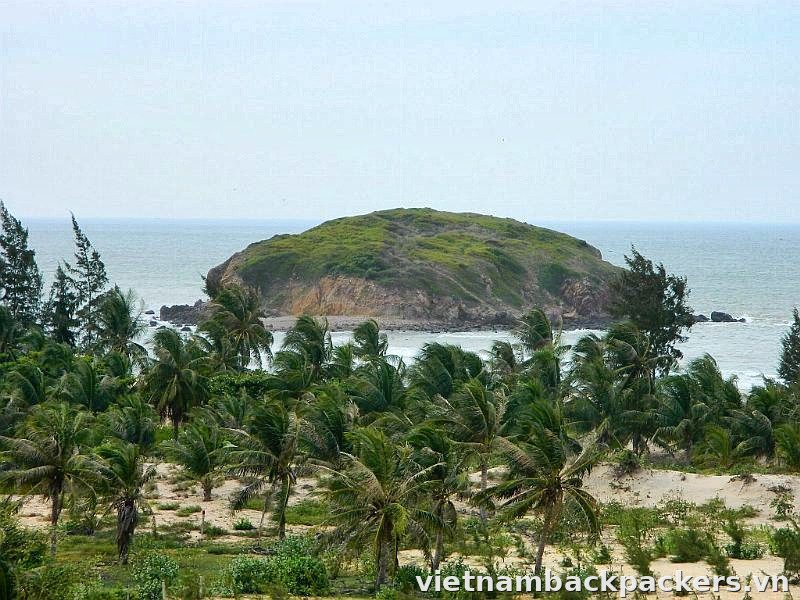
Afternoon: Swim at the public beach. Bãi Rạng in the Hàm Tiến area offers a sandy shoreline lined with coconut palms near the resorts; Hòn Rơm at the far end of Mũi Né, about 8–10 km past the fishing village, features a longer, quieter beach. Use attended parking areas, only swim where lifeguards are on duty, and avoid swimming far out during the windy season due to large waves and strong currents.
Evening: Savor fresh seafood along the Hàm Tiến embankment, then turn in early ahead of a 4:30 AM wake-up call.
Day 2: Sand Dune Adventures and Historic Sites
Morning: Around 4:30 AM, ride out to Bàu Trắng, about 35 km from Mũi Né (roughly a 45–50 minute ride), in time for the sunrise over the white sand dunes. Jeep and ATV tours are available on site: agree on price and duration before boarding, wear a helmet, and avoid driving regular motorbikes onto the soft sand. On the way back, stop at Đồi Cát Bay (the red sand dunes) before 9:00 AM, then return for a midday rest.
Afternoon: Around 3:00 PM, visit the Poshanư Cham towers on Bà Nài Hill, situated between Phan Thiết and Mũi Né—one of the best-preserved Cham tower complexes in the south. Allow about 45 minutes for the visit; admission is ticketed, modest dress is required, and climbing on the towers is forbidden. Catch the sunset back at the red dunes or relax along the sea wall.
Evening: Try bánh căn, bánh xèo, or lẩu thả at local eateries around Mũi Né Market.
Day 3: Exploring Suối Tiên and Departure
Morning: Between 5:30 and 7:00 AM, head to Mũi Né Fishing Village to watch basket boats deliver their catch, with a lively seafood market forming right on the sand. After breakfast, walk barefoot upstream along the shallow stream bed of Suối Tiên (in Hàm Tiến), flanked by striking red and white sand formations; the round trip takes about 1 to 1.5 hours.
Afternoon: Pick up local fish sauce, mực một nắng (sun-dried squid), or dragon fruit as gifts, inspect your vehicle, and set off for Saigon. If traveling by motorbike, depart before 1:00 PM to arrive before nightfall.
Food & Dining Recommendations
A few dining areas serving budget-friendly seafood and local specialties. At seaside restaurants, verify prices by weight and check the scales before food is cooked; places favored by locals generally offer fairer prices than purely tourist-oriented spots:
- Area along Hàm Tiến Embankment (along Nguyễn Đình Chiểu Street): Home to numerous casual seafood restaurants right at the water's edge, serving live seafood prepared to order.
- Area around Mũi Né Fishing Village: Great for purchasing live shrimp, crab, and squid straight off the incoming basket boats, then having nearby stalls cook them on the spot.
- Area near Mũi Né Market or along Huỳnh Thúc Kháng Street: A hub of humble local eateries serving bánh xèo, lẩu thả, gỏi cá mai (deep herring salad), and assorted snail dishes at budget-friendly prices.
Routes and Getting Around
The coastal drive connecting Hòn Rơm to Bàu Trắng boasts spectacular scenery. Riding a motorbike along this route, you have the ocean on one side and sweeping white sand hills on the other; wide shoulders offer spots to pull over for photos—just be sure to pull completely off the lane.
Exercise caution around the sharp curve in Long Sơn ward (Mũi Né), where you turn left onto Xuân Thủy Street toward Bàu Trắng: the bend is tight with blind spots. Slow down and signal well in advance; traffic police frequently patrol and monitor this intersection.
Cost Estimate
For an all-inclusive 3-day, 2-night package staying at a 3- to 5-star resort, costs typically range from 2,790,000 to 3,650,000 VNĐ per person (for reference). These rates generally apply to larger groups of 40 or more and vary by tour operator.
For independent travelers, recent estimates suggest roughly 2,000,000 to 3,500,000 VNĐ per person for 3 days and 2 nights. This covers homestays at about 300,000 to 600,000 VNĐ per room per night, meals, fuel or coach tickets, motorbike rental, and entry fees. Traveling in a group and sharing rooms significantly lowers the cost.
How to Adjust the Itinerary for Shorter or Longer Stays
A 3-day, 2-night timeframe provides a well-balanced pace, allowing you to relax at your resort while taking in Bàu Trắng, Đồi Cát Bay, and Suối Tiên.
If you only have 2 days and 1 night, skip the Poshanư towers and combine Bàu Trắng and the red dunes on the morning of Day 2, visiting the fishing village and Suối Tiên on the afternoon of Day 1. With 4 days or more, add a day trip to Phú Quý Island or take kitesurfing lessons during the windy season.
Important Notes
In the afternoon, especially during the windy season (roughly November to March), strong crosswinds blow sand across the coastal road, at times cutting visibility and destabilizing motorbikes. Motorcyclists should ride the Mũi Né – Bàu Trắng section in the morning, wear eye protection, ease up on the throttle, and maintain a firm grip on open stretches.
Pre-Trip Checklist
- Correctly sized spare inner tube and a functioning hand pump.
- Working motorbike turn signals.
- Windshield or protective glasses to keep blowing sand out of your eyes.
- Driver's license and vehicle registration; ensure you receive the contract and vehicle papers from the rental agency.
- Sunscreen, hat, and plenty of drinking water for dune excursions.
Frequently Asked Questions
What is the best time of year to visit Mũi Né?
The dry season, from about November to April, offers bright sunshine and little rain, though November to March brings strong winds and rougher surf. For calm swimming waters, plan your visit between April and June.
What time of day is best to visit the Mũi Né sand dunes?
Bàu Trắng is best at sunrise, while the red dunes are finest at sunset. Plan to leave the dunes before around 9:00 AM, when the sand heats up and the sun turns harsh.
What gear should you bring when riding a motorbike along the Mũi Né coastal route?
Carry a spare inner tube, a hand pump, and basic repair tools so you can handle unexpected punctures on remote stretches of road.
Which is the most scenic coastal stretch between Mũi Né and Bàu Trắng?
The coastal road from Hòn Rơm toward Bàu Trắng is famed for its breathtaking open vistas and bright white sand hills rolling alongside the sea.
Why should you be careful riding a motorbike along the coast in the afternoon during windy season?
During the windy season (November to March), strong afternoon crosswinds sweep sand across the road, reducing visibility and pulling at the handlebars; it is safer to travel this coastal stretch in the morning.
Source: OpenStreetMap (ODbL), Wikipedia/Wikivoyage (CC BY-SA), Google Maps.
Members who reacted
Comments
Please follow the community guidelines when sharing your opinion
No comments yet. Be the first to share.
Comment guidelines | VietnamBackpackers
01 · Names and profile pictures
- Do not use offensive, confusing or promotional names or profile pictures.
- Registered names must not exceed 30 characters or contain links, phone numbers or email addresses.
02 · How to communicate
- Follow Vietnamese law and the community's standards of conduct.
- Do not use profanity, insults, derogatory language, defamation or personal attacks.
- Do not write entire comments in capitals. Base discussions on facts and respect differences.
03 · Information and content
- Do not post personal contact details, advertising links or commercial websites.
- Do not spam, copy content from other sources or spread misinformation.
- You are responsible for the content of your comments.
Serious or repeated violations may result in a temporary or permanent account suspension.
People who liked this
Report comment
Let the editors know what is wrong with this comment. Your name is not shown to anyone.
 Bé Bụi