
Mai Chau travel guide: self-sufficient trips, village culture, and costs
PrintNestled among the lush green mountains of the Northwest, Mai Chau welcomes wanderers with its peaceful valley scenery, rustic stilt houses, and culturally rich rhythm of life. If you are planning an independent backpacking adventure, understanding the routes, homestay options, and local customs will ensure an authentic cultural experience that keeps your budget well-managed.
 01
 02
 03
 04
 05
 06
View locations overview
Coordinate schematic, not a road map. Open an interactive map to check access routes.
- February - AprilBan, peach, and plum blossom season
- July or late OctoberGolden ripe rice harvests
- October - DecemberCrisp cool weather, early flower blooms
Depending on standard seat, sleeper, or VIP bus
-
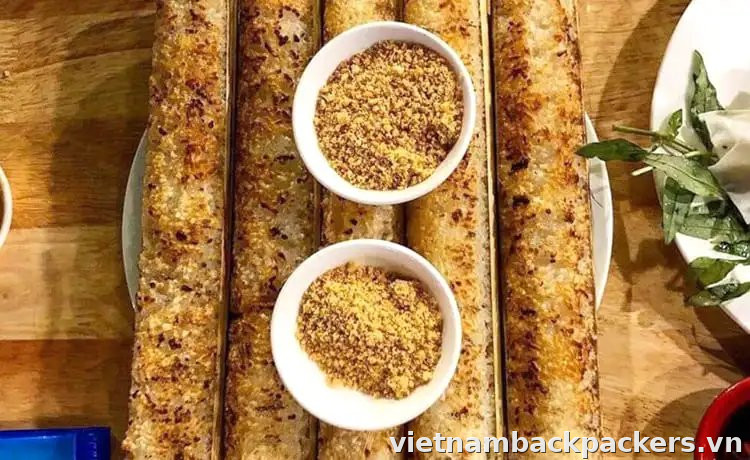 Cơm lam (bamboo sticky rice)
-
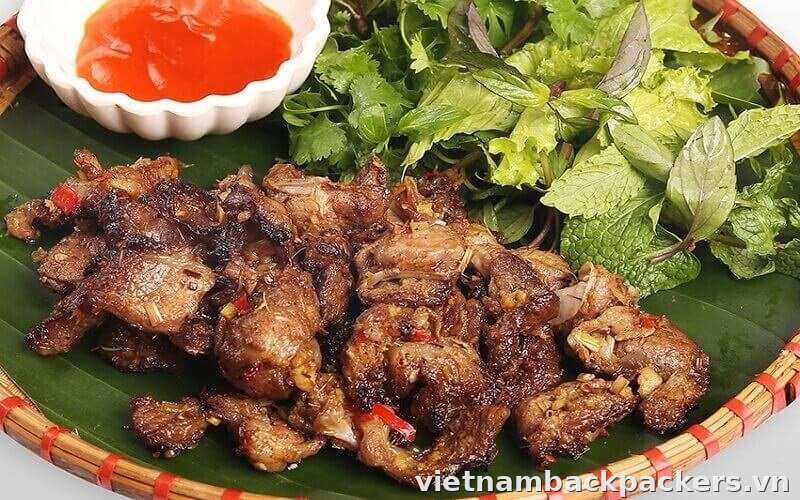 Grilled wild pork with mắc khén seeds
-
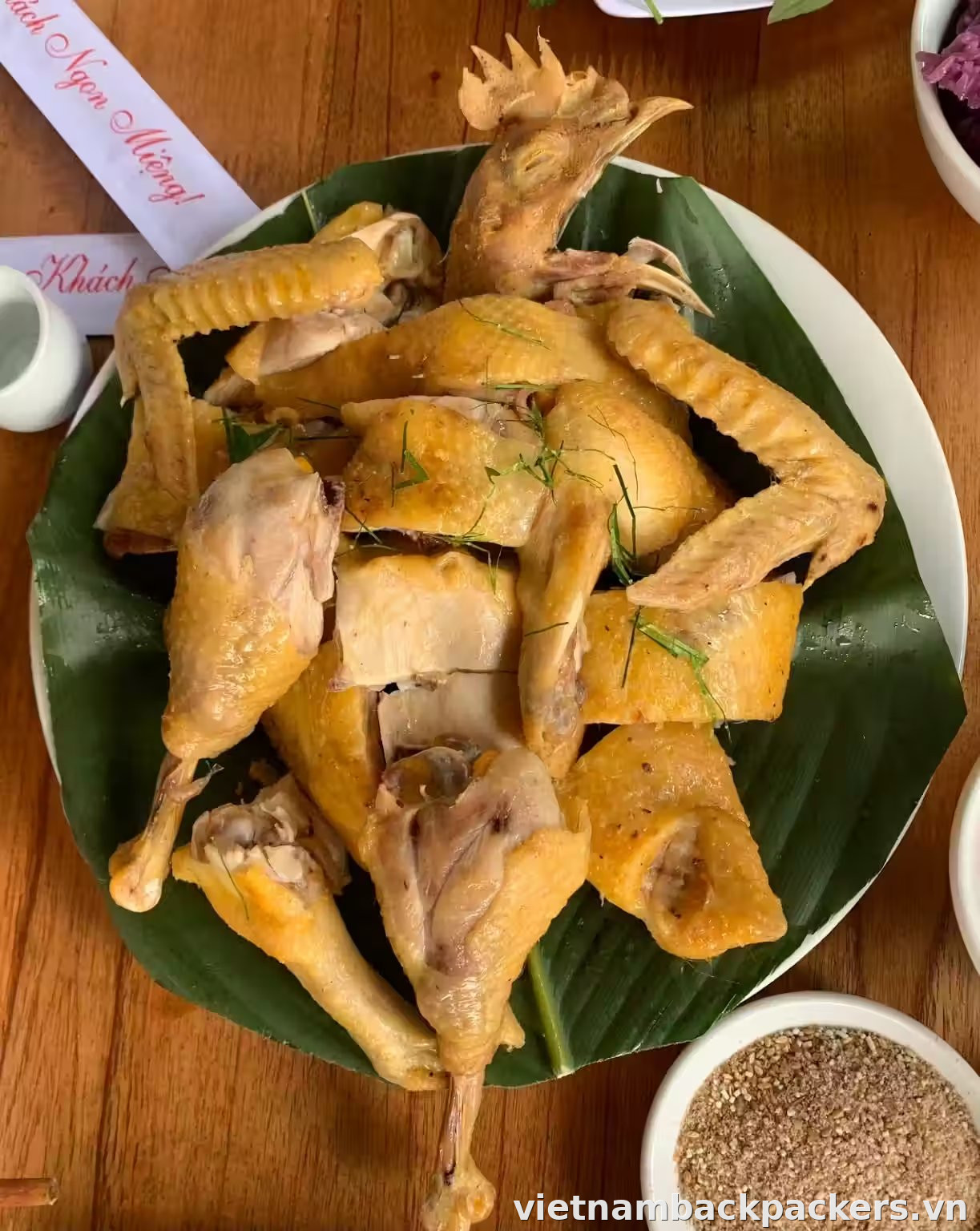 Boiled free-range hill chicken
-
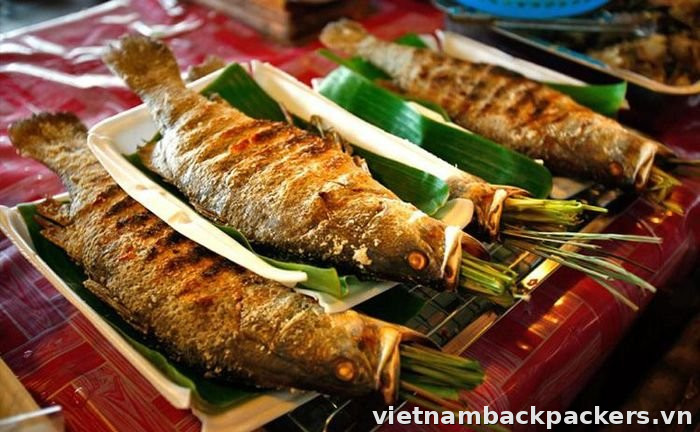 Grilled stream fish
-
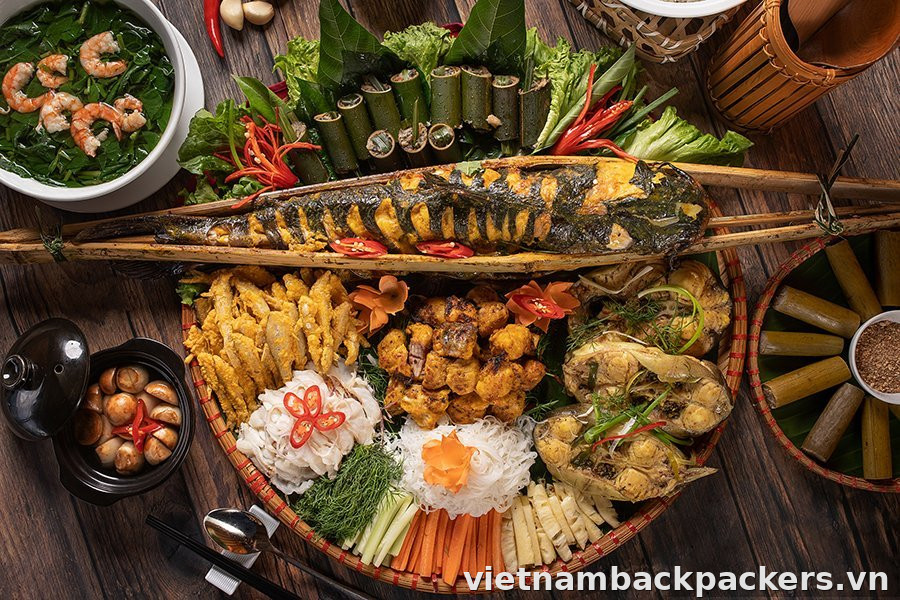 Cá lăng (hemibagrus fish)
-
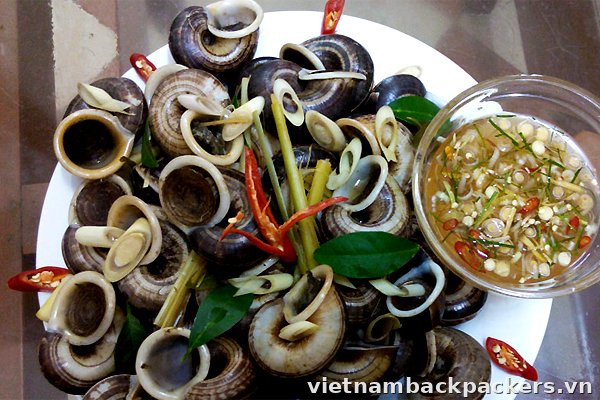 Stuffed snails
Mai Chau - Valley beauty and Thai cultural heritage
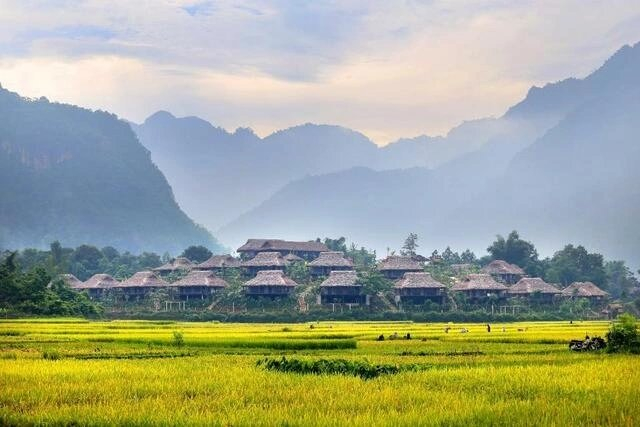
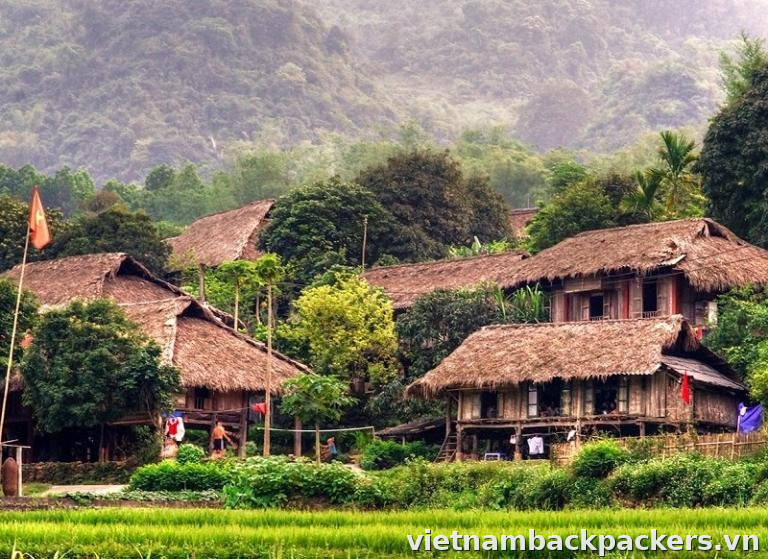
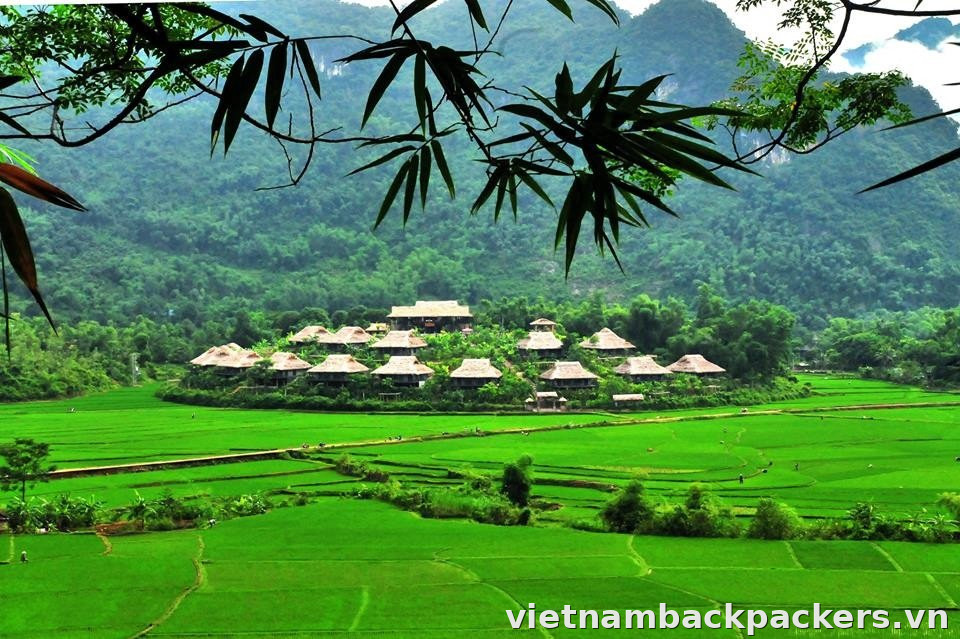
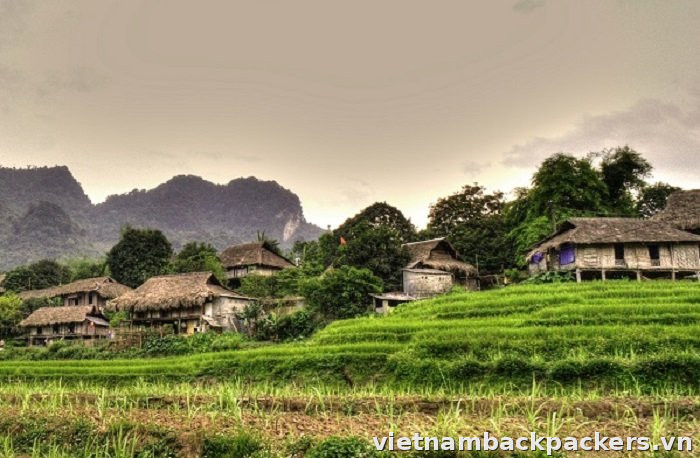
Mai Chau Valley draws backpackers with its unique intersection between the long-standing heritage of the White Thai people and the Mong communities living in the highlands. Past accounts often depicted Thai villages nestled beneath mist-shrouded peaks surrounding the valley floor. Traditional ways of life remain clearly visible in the wooden stilt houses of the Thai and the timber architecture of the Mong around Hang Kia and Pa Co.
Local cultural identity is preserved through handloom brocade weaving and intricate beeswax painting techniques. Vibrant mo folk singing, lively xoe dances, and the echoing resonance of the Mong khen across the forests offer an experiential depth rarely found elsewhere.
Getting to Mai Chau: optimal transport options
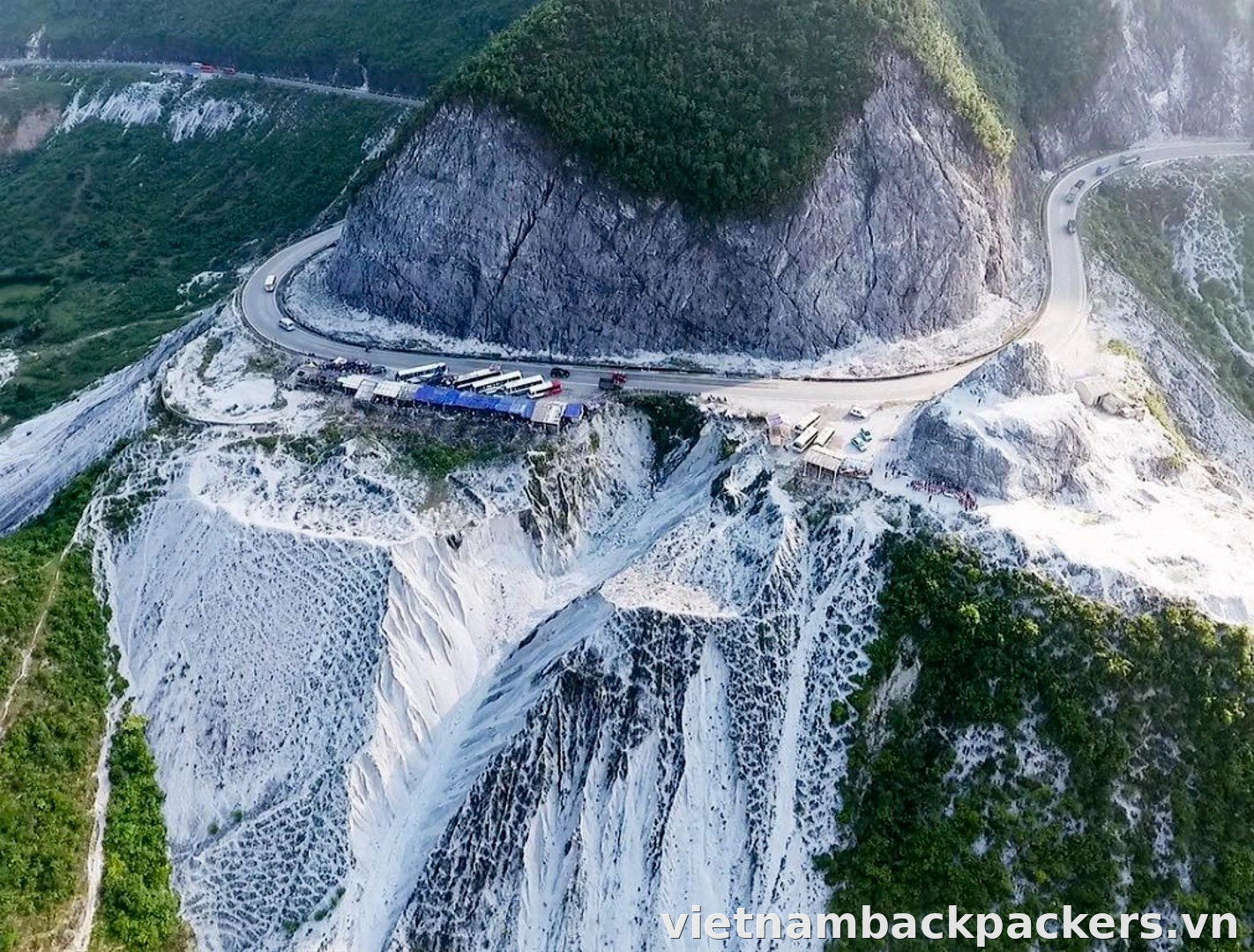
The road to Mai Chau follows National Highway 6, traversing Thung Khe Pass (also known as Da Trang Pass). This mountain pass has been upgraded with a smooth road surface, making it safe for large 40-seat buses as well as 9-seat limousines.
Buses and limousines
If you prefer a relaxed trip, you can catch departures from My Dinh Bus Station or Yen Nghia Bus Station in Hanoi. This route provides a full range of options, from standard seated coaches and sleeper buses to VIP limousines. Note that some long-distance coaches bound for Co Luong bypass the inner tourist area, so remember to inform your driver to drop you off at the main junction leading into the villages.
Personal motorbike
Riding a motorbike gives you the freedom to admire mountain and cloud vistas along National Highway 6 and pull over for photos on Da Trang Pass. The road surface of Thung Khe Pass is relatively good, though heavy fog frequently blankets the crest, significantly limiting visibility.
Best time to visit
The valley features a distinct tropical monsoon climate. Spring, running from February to April, is when ban flowers, peach blossoms, and plum blossoms burst into vibrant colour across the hillsides. The weather gradually warms during this period, making it ideal for road trips exploring the villages.
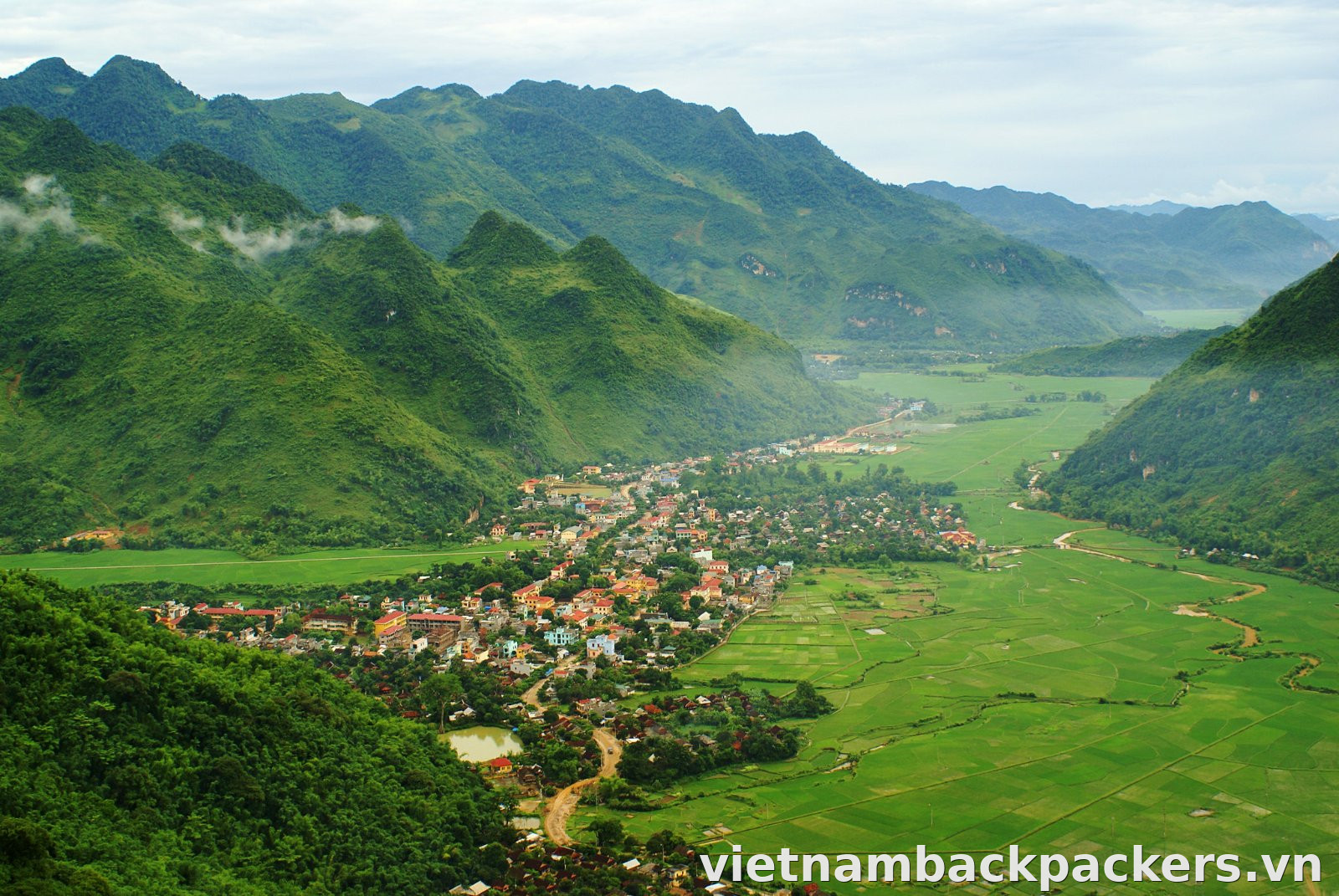
If you love the sight of golden, shimmering paddy fields, aim for the harvest season in the first half of July or late October. The period from October to December brings early cold fronts with crisp, cool air—perfect for unwinding and catching the very first blooms of plum and peach blossoms.
Village experiences and attractions
Ban Lac, Pom Coong Village, and Van Village
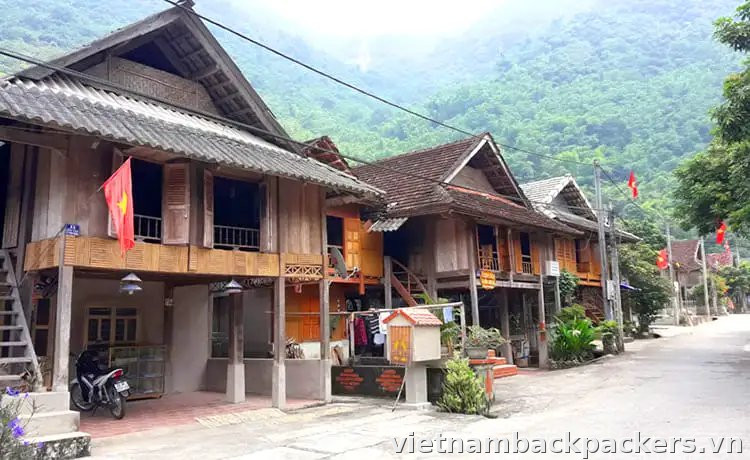
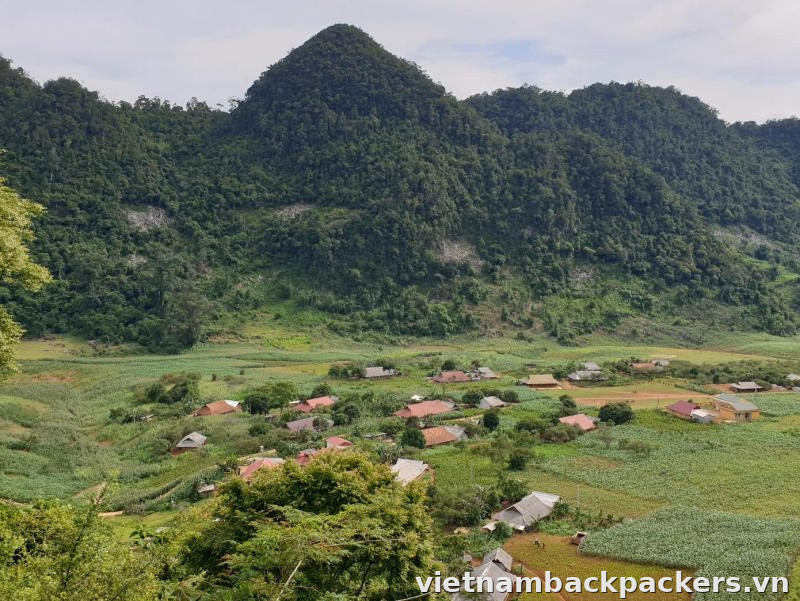
Ban Lac alongside Pom Coong Village are the two liveliest community tourism hubs, densely packed with traditional stilt houses and well-organised homestay services. If you seek a more rustic, quiet glimpse into local life, head over to Van Village or turn off toward Buoc Village to immerse yourself in peaceful surroundings amid cornfields and rice paddies.
Hang Kia and Pa Co Communes
To experience the highlands, head uphill to Hang Kia and Pa Co. This area is home to the Mong people, known for their traditional wooden houses, where travellers can watch batik beeswax pattern-drawing firsthand and listen to the distinctive sound of the Mong khen.
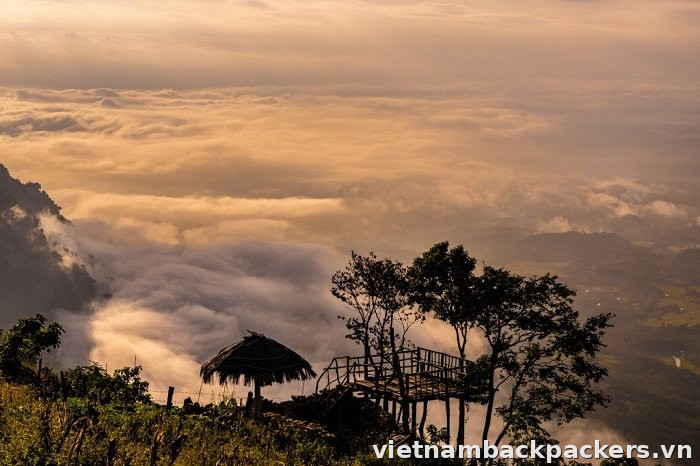
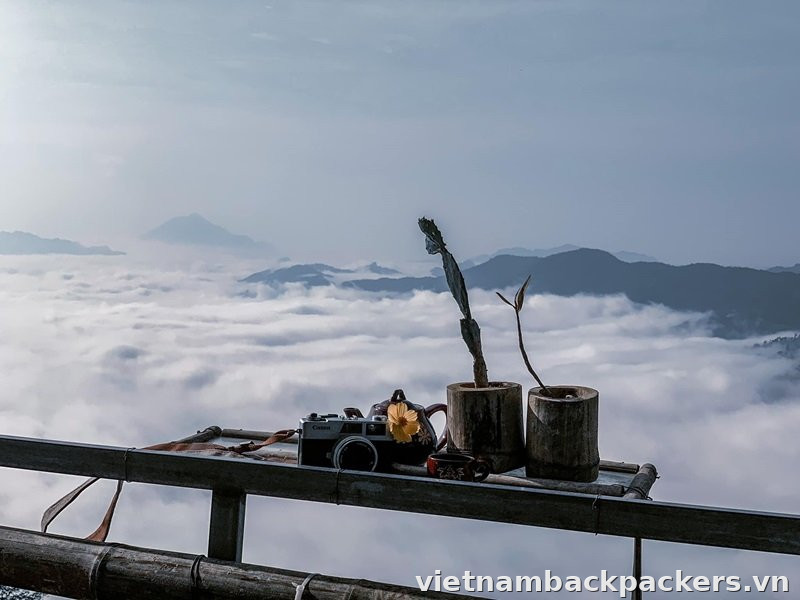
Savouring local cuisine
Thai cuisine in the valley is celebrated for its deep, aromatic flavours crafted from natural, forest ingredients. Must-try traditional dishes include com lam (fragrant sticky rice roasted in bamboo tubes), grilled native wild pork with mac khen pepper, boiled free-range chicken torn with lime leaves, and crispy grilled stream fish. Local meals are also enriched with river catfish and steamed freshwater snails bursting with lemongrass and chilli.
To sample great food, head to familiar spots like local restaurants in the town centre or traditional village eateries. Both venues serve a wide variety of local fare with flexible pricing, comfortably hosting both large touring groups and independent solo travellers.
Staying in local villages
The quintessential backpacking experience in the valley is spending the night in a traditional Thai stilt house. A well-run community-based homestay offers the chance to share daily routines, enjoy home-cooked meals, and converse with the host family.
To secure suitable lodging and avoid unnecessary intermediary fees, contact stilt house owners directly via personal messaging channels to agree on the rate before departure.
Estimated trip costs
A bus or limousine ticket from Hanoi to the valley ranges from 130,000 VND - 300,000 VND/person/way depending on whether you take a standard seated coach or a premium limousine. For an independent 2-day, 1-night trip, stilt house accommodation combined with casual local meals and personal motorbike petrol is very affordable, making it ideal for students and budget backpackers alike.
Below is an estimated breakdown of daily living expenses for reference and trip planning:
| Expense item | Estimated cost | Notes |
|---|---|---|
| Bus / limousine ticket | 130,000 VND - 300,000 VND/trip | Options include standard seats, sleeper buses, or VIP limousines |
| Homestay (communal stilt floor) | Budget level | Shared mats/mattresses on a traditional stilt floor |
| Meals at local eateries | Standard budget level | Depends on à la carte orders or shared set trays |
Because rates for services and lodging may fluctuate across seasons and peak travel periods, contact homestays and guesthouses directly via their social pages or phone numbers to confirm current prices and availability prior to setting off.
Cultural and safety notes
Thai stilt houses follow longstanding spiritual customs. When stepping onto the wooden floor, you must leave your shoes and sandals at the base of the staircase. The family's ancestral altar is always located in the most revered part of the house; never place personal belongings haphazardly around it or lean your back against the sacred area.
Villages quiet down relatively early in the evening. Visitors should keep noise to a minimum, refraining from loud talking or playing loud music so as not to disrupt the community's rest.
Pre-trip checklist
- Double-check the bus drop-off point to see if it enters the villages directly or drops off along National Highway 6.
- Contact the stilt house owner in advance to clarify whether you want a traditional shared communal floor or a private room.
- Pack warm clothing if travelling between October and December, as night temperatures in the mountains drop rapidly.
Frequently asked questions
How much is a bus or limousine ticket from Hanoi to Mai Chau?
One-way fares range from 130,000 VND to 300,000 VND per passenger depending on whether you choose a seated coach, sleeper bus, or VIP limousine.
Is the route over Thung Khe Pass to Mai Chau easy to ride or drive?
National Highway 6 over Thung Khe Pass is well-paved and suitable for motorbikes as well as vehicles from 9 to 40 seats; however, watch out for heavy fog.
When is the ripe rice season in Mai Chau?
The best times to view golden, ripe rice fields in Mai Chau Valley are during the first half of July and toward late October each year.
What iconic local dishes should you try in Mai Chau?
Signature traditional dishes include com lam (bamboo sticky rice), native wild pork, free-range hill chicken, charcoal-grilled stream fish, river catfish, and steamed snails.
What rules should visitors follow when staying in a Thai stilt house?
Guests should leave footwear at the foot of the stairs, respect the sacred ancestral altar area, and keep noise down late at night.
Sources: OpenStreetMap (ODbL), Wikipedia/Wikivoyage (CC BY-SA), Google Maps.
Members who reacted
Comments
Please follow the community guidelines when sharing your opinion
No comments yet. Be the first to share.
Comment guidelines | VietnamBackpackers
01 · Names and profile pictures
- Do not use offensive, confusing or promotional names or profile pictures.
- Registered names must not exceed 30 characters or contain links, phone numbers or email addresses.
02 · How to communicate
- Follow Vietnamese law and the community's standards of conduct.
- Do not use profanity, insults, derogatory language, defamation or personal attacks.
- Do not write entire comments in capitals. Base discussions on facts and respect differences.
03 · Information and content
- Do not post personal contact details, advertising links or commercial websites.
- Do not spam, copy content from other sources or spread misinformation.
- You are responsible for the content of your comments.
Serious or repeated violations may result in a temporary or permanent account suspension.
People who liked this
Report comment
Let the editors know what is wrong with this comment. Your name is not shown to anyone.
 Bé Bụi