
Đầy là cách viết post cuối cùng
05-05-2025 18:51:41
HỖ TRỢ THÀNH VIÊN 0367 494 919 Gửi email phản hồi
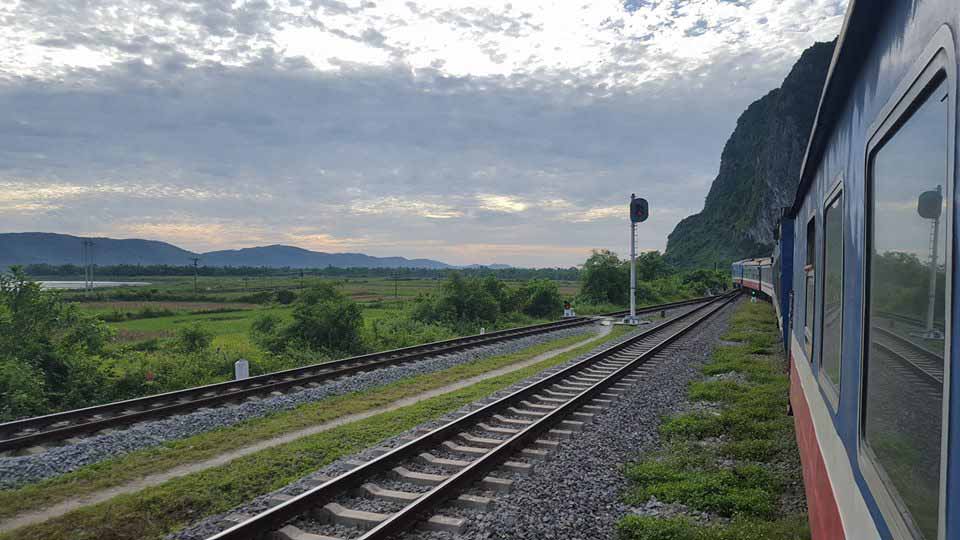
As the northernmost region of Vietnam, home to the Dong Van Karst Plateau and the stunning Hoang Su Phi terraced fields, Ha Giang has long been a beloved destination among travel enthusiasts. In recent years, thanks to improvements in transportation infrastructure and increased investment in tourism services and facilities, Ha Giang has become even more popular. Numerous tour packages have been introduced, and homestay services have flourished across the province. The region is now livelier than ever, often experiencing traffic congestion during peak seasons, while new tourist attractions continue to be developed to accommodate visitors.
For a fun and safe trip to Ha Giang, don't miss the detailed guide below from Vietnambackpackers!
Located in the high mountainous region of northern Vietnam, Ha Giang is a breathtaking landscape of towering mountains and rugged terrain, with an average elevation ranging from 800 to 1,200 meters above sea level. This region is home to numerous high peaks. According to recent statistics, despite covering less than 8,000 square kilometers, Ha Giang boasts 49 mountains ranging from 500 to 2,500 meters in height (10 peaks between 500–1,000 meters, 24 between 1,000–1,500 meters, 10 between 1,500–2,000 meters, and 5 soaring from 2,000–2,500 meters).
Ha Giang also retains vast areas of untouched primeval forests, offering a pristine ecological environment with many hidden wonders. The landscape is dotted with towering limestone formations, shrouded in mist, and features numerous peaks exceeding 2,000 meters, such as Pu Ta Kha and Tay Con Linh. The province is also home to mysterious caves, including Tung Ba and Lung Ma in Vi Xuyen, Tung Vai in Quan Ba, and Hang May and Sang Tung in Dong Van.
Blessed by nature, Ha Giang has a rich cultural heritage dating back to the Bronze Age of the Dong Son civilization, with traces of prehistoric human settlements in Bac Me and Meo Vac. The province is home to 22 ethnic minority groups of the Northeast region, each with unique customs, traditional cultures, and vibrant festivals, making Ha Giang an enchanting destination for visitors. Additionally, Ha Giang's diverse landscape includes towering karst mountains in the north and vast forests in the south.
In 2010, the Dong Van Karst Plateau Geopark was recognized as a member of the UNESCO Global Geoparks Network. Later, in September 2012, the Hoang Su Phi terraced fields were designated as a National Heritage Site.
If you've never been to Ha Giang, then March—or any time you can arrange a trip—is always the perfect time for an adventure. As one of the most captivating destinations in northern Vietnam, Ha Giang welcomes visitors all year round. However, if you're planning a return trip, consider these recommended time frames:
No matter when you go, Ha Giang always has something special to offer!
By Plane
Flying is the best option for travelers from distant regions, such as central and southern Vietnam, who want to visit Ha Giang. However, since Ha Giang does not have an airport, you'll need to book a flight to Hanoi first and then continue your journey to Ha Giang by road.
Most buses to Ha Giang follow National Highway 2, which is close to Noi Bai International Airport. If your flight arrives in the late afternoon or evening, you can head to the Noi Bai – Phuc Yen intersection to catch a passing bus directly to Ha Giang.
By Sleeper Bus
The distance from Hanoi to Ha Giang is about 320km, and the journey takes approximately 8 hours. Most buses depart from My Dinh Bus Station in the evening and arrive in Ha Giang city early in the morning.
By Motorbike or Car
If you prefer more flexibility in your journey, you can ride a motorbike or drive a personal car from Hanoi to Ha Giang, which is around 300km. The trip typically takes 8–10 hours, depending on speed and rest stops. Many travelers also choose to take one route to Ha Giang and return via a different scenic route.
If you want to use your own motorbike in Ha Giang but prefer not to ride from Hanoi, you can send your bike on a sleeper bus. However, you'll need to book in advance, as each bus can only transport 2–3 motorbikes, and not all companies offer this service.

![Kinh nghiệm du lịch Mẫu Sơn [Update 2018]](https://vietnambackpackers.vn/media/phuot/blog/list/k/i/kinh-nghiem-du-lich-mau-son.jpg)
![Kinh nghiệm du lịch Thác Bản Giốc [Update 2018]](https://vietnambackpackers.vn/media/phuot/blog/list/k/i/kinh-nghiem-phuot-thac-ban-gioc.jpg)
![Kinh nghiệm du lịch Tam Đảo [Update 2018]](https://vietnambackpackers.vn/media/phuot/blog/list/d/o/do-phuot-ha-noi-demo-image.jpg)
